






The Rise of the 'Dark Store'
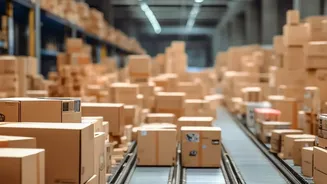
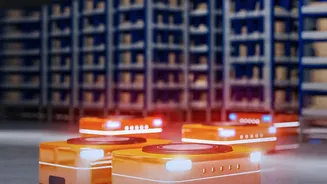
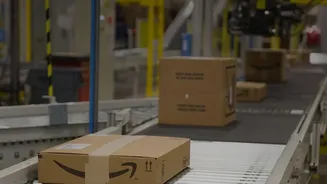
You've probably never set foot in one, but you may rely on them weekly. A 'dark store' is a small, neighbourhood-level warehouse designed exclusively for fulfilling online orders. With no walk-in customers, these spaces are optimised for one thing: speed.
They are the engine behind the 'quick commerce' boom, promising delivery of groceries, medicines, and other essentials in as little as 10 to 30 minutes. This model has transformed consumer expectations, making instant delivery a new standard in urban life. As a result, companies like Blinkit, Swiggy Instamart, and Zepto are racing to expand their dark store networks, which are projected to nearly triple from around 2,500 to 7,500 by 2030.
Why Smaller Cities are the New Frontier
For years, e-commerce growth was concentrated in major metros like Mumbai, Delhi, and Bengaluru. However, the next wave of expansion is happening in smaller Tier-II and Tier-III cities such as Lucknow, Jaipur, Coimbatore, and Indore. There are several strategic reasons for this shift. Firstly, the cost of doing business is significantly lower, with real estate rents for dark stores being 30-40% cheaper than in metro areas. Secondly, these cities represent a massive, untapped consumer base with growing aspirations and purchasing power. Finally, the talent pool in smaller cities is more stable. Companies are finding that employee attrition is lower and loyalty is higher compared to the hyper-competitive metro job markets. Recent data shows hiring growth in these cities is already outpacing the major metros, driven by the expansion of e-commerce and logistics.
The Jobs Powering the Boom
The rapid rollout of dark stores is creating a significant number of jobs, particularly in fulfillment and logistics. The demand is high for roles like warehouse associates, pickers, packers, inventory controllers, and, most visibly, last-mile delivery partners. An estimated 1 million gig worker jobs are expected to be created in 2026 alone from e-commerce and quick commerce. Beyond frontline roles, there is also a growing need for supply chain managers, city operations leads, and data analysts to manage these complex networks. Companies are increasingly focusing on skill-based hiring, valuing digital literacy and the ability to work in a fast-paced, tech-driven environment over formal education alone.
Economic Impact and Future Challenges
This recruitment boom is injecting new economic vitality into smaller cities. It leads to the revitalization of underused commercial properties, which are converted into productive dark stores, and provides a major source of flexible employment. However, the model is not without its challenges. The profitability of dark stores in non-metro areas is still developing, as order volumes are often lower than in dense urban centres. Furthermore, the reliance on a gig workforce raises important questions about job security and worker protections. Despite these hurdles, the trend is clear: quick commerce has fundamentally altered India's retail and employment landscape. Companies are increasingly looking beyond the top 10 cities, and this strategic shift is set to redefine the economic geography of the nation for years to come.