



An Astronaut's Journey
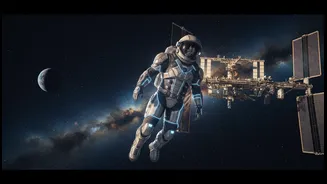
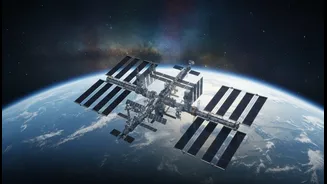
On July 14, 2026, Dr. Anil Menon, a colonel in the U.S. Space Force and a former SpaceX flight surgeon, launched his first mission to the International Space Station (ISS). Born in Minnesota to a father from Kerala, India, and a Ukrainian mother, Menon’s
journey to orbit is a story of remarkable achievement. A graduate of Harvard and Stanford, his career spans emergency medicine, aerospace medicine, and military service, including responding to earthquakes in Haiti and Nepal. Before being selected as a NASA astronaut in 2021, Menon was instrumental in developing the medical program for SpaceX's first human flights. Now, he embarks on an eight-month stay in space, a mission that is critical for understanding how to keep humans safe on future long-duration voyages.
The Invisible Threat of Deep Space
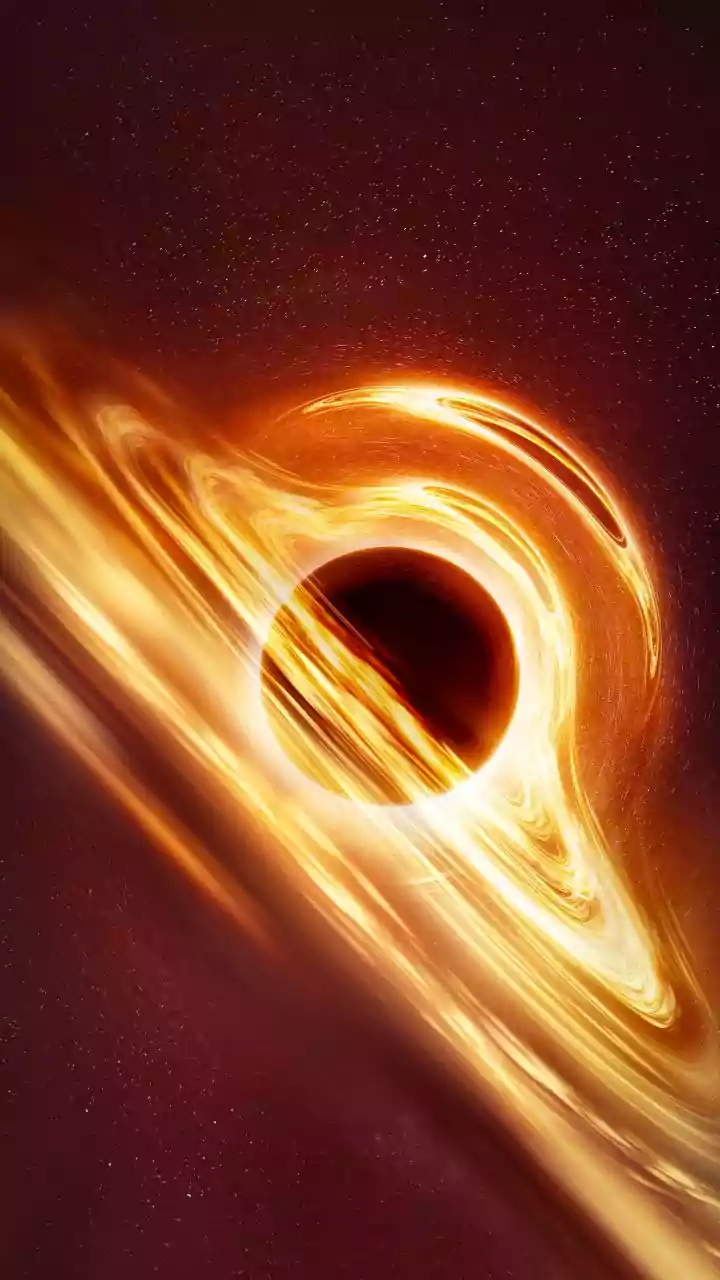
Outside the protective bubble of Earth’s magnetic field lies a hazardous environment filled with radiation. This comes from two main sources: a constant shower of Galactic Cosmic Rays (GCRs) from distant supernovae and unpredictable Solar Particle Events (SPEs) from our own Sun. This radiation can penetrate spacecraft and human tissue, increasing the long-term risk of cancer and other health issues. For a mission to Mars, which could take years, this exposure is one of the single biggest challenges NASA must overcome. Simply adding thick layers of conventional shielding isn’t a perfect solution; in some cases, it can even create secondary, more dangerous radiation particles upon impact. Finding a way to protect astronauts is not just an engineering problem—it’s a human survival problem.
A Laboratory in the Sky
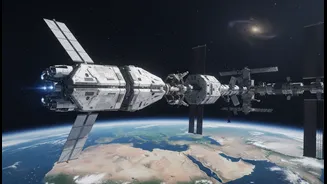
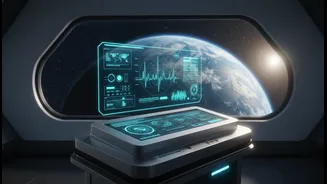
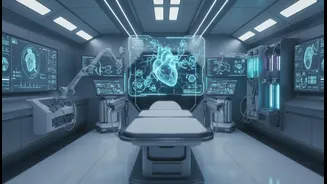
Menon’s eight-month mission aboard the ISS will serve as a vital data-gathering opportunity. While the ISS is in Low Earth Orbit and still has some protection from Earth's magnetic field, it provides a unique microgravity environment to study the physiological toll of long-term spaceflight. Menon, with his extensive medical background, will conduct a series of experiments focused on human health. These include studying how blood flow and composition change in space, testing AI-assisted ultrasound technologies that could allow for autonomous medical diagnosis, and even evaluating systems for producing sterile IV fluids from the station’s water supply. All of these investigations are designed to improve astronaut self-sufficiency and health on missions far from home, where immediate medical support from Earth is impossible.
The Quest for a Cosmic Shield
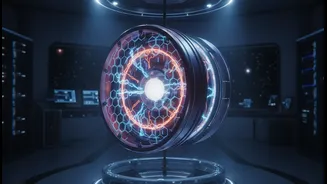
While Menon’s work focuses on the biological side of protection, it is part of a larger, multi-pronged strategy to develop effective radiation shielding. Researchers are exploring a variety of innovative solutions. Passive shielding involves using materials rich in hydrogen, like polyethylene or even water, which are effective at blocking radiation particles. Wearable protection, such as the AstroRad vest tested on the ISS, offers targeted shielding for an astronaut’s most vital organs without severely restricting mobility. The most futuristic concept is active shielding: creating an artificial magnetosphere—a magnetic force field—around a spacecraft to deflect incoming radiation particles, much like Earth’s own magnetic field does. While still in early development, this technology could offer a powerful, lightweight solution for deep-space missions.