


The Sobering Reality of Indoor Air
First, a dose of reality. The notorious Delhi smog is primarily composed of fine particulate matter (PM2.5) from sources like stubble burning and vehicle emissions. Scientific consensus shows that houseplants are not a substitute for high-efficiency air
purifiers when it comes to filtering these tiny, harmful particles. However, their power lies elsewhere. A famous 1989 NASA study revealed that certain plants are incredibly effective at absorbing other indoor pollutants called Volatile Organic Compounds (VOCs) — such as formaldehyde, benzene, and xylene — which are released by everyday items like furniture, paint, and cleaning products. Think of these plants as a natural, decorative supplement to your main air-cleaning strategy, tackling chemical pollutants while adding life and tranquillity to your space.
Snake Plant: The Bedroom Champion
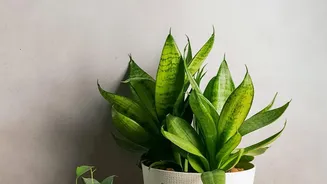
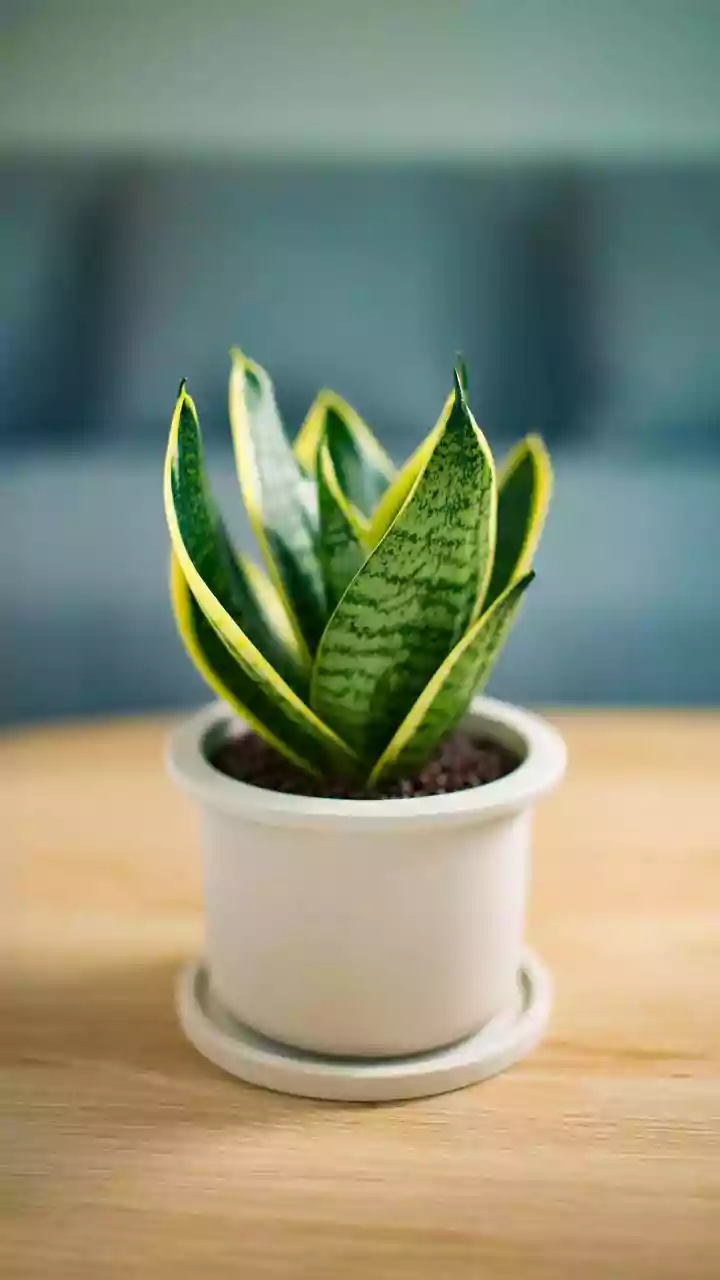
If you buy only one plant, make it this one. The Snake Plant (Sansevieria trifasciata) is an undisputed champion of air purification and is nearly indestructible, making it perfect for beginners. Its key advantage is its ability to perform Crassulacean Acid Metabolism (CAM) photosynthesis, meaning it absorbs carbon dioxide and releases oxygen at night. This makes it the ideal plant for bedrooms. It’s also a powerhouse at filtering formaldehyde, benzene, xylene, and nitrogen oxides. The Snake Plant thrives in low light and requires infrequent watering, easily handling the dry winter conditions in Delhi homes. Its modern, upright leaves add a touch of sculptural elegance to any corner.
Areca Palm: The Natural Humidifier
With its lush, feathery fronds, the Areca Palm (Dypsis lutescens) feels like a piece of the tropics in your living room. It boasts one of the highest transpiration rates among houseplants, meaning it releases significant moisture into the air. This makes it a fantastic natural humidifier during the dry Delhi winter. It’s particularly effective at filtering formaldehyde, xylene, and toluene. The Areca Palm prefers bright, indirect sunlight, so placing it near an east-facing window or in a well-lit living area is ideal. Keep its soil consistently moist but not waterlogged to ensure it thrives.
Money Plant: The Versatile Vine
The Money Plant (Epipremnum aureum), also known as Pothos or Devil's Ivy, is a common sight in Indian households for good reason. It’s incredibly low-maintenance and can grow in both soil and a simple jar of water. This forgiving nature makes it a great choice for those who are new to plant care. The Money Plant is adept at filtering common household toxins, including formaldehyde and carbon monoxide, making the air feel fresher. Its trailing vines look beautiful cascading from a hanging basket, draped over a bookshelf, or climbing up a wall, adding a touch of vibrant green to any space.
Peace Lily: The Elegant Purifier
The Peace Lily (Spathiphyllum) is as functional as it is beautiful. Recognised by its glossy dark green leaves and elegant white blooms, it’s one of the few air-purifying plants that flowers in low light. According to NASA's research, it’s one of the top performers, capable of removing all five of the most common VOCs tested, including ammonia, formaldehyde, and benzene. It’s also known to help absorb mould spores from the air. Peace Lilies prefer shady spots and consistent moisture, making them well-suited for bathrooms or corners away from direct sunlight. Their leaves will droop slightly to let you know when they need water.
Spider Plant: The Resilient All-Rounder
The Spider Plant (Chlorophytum comosum) is celebrated for its resilience and rapid growth. Its arching leaves and small plantlets ('spiderettes') that dangle from the mother plant make it visually striking, especially in a hanging pot. It's excellent at removing formaldehyde and xylene from the air. Some studies have even suggested it can help reduce particulate matter concentrations in a controlled environment, though its real-world impact on PM2.5 in a home is likely minimal. This plant is highly adaptable, tolerating a range of light conditions and surviving occasional neglect, making it another fantastic option for beginners.