


The Deal That Reshaped Indian Skies
In a landmark move for Indian aviation, the Tata Group consolidated its airline businesses, culminating in the merger of Vistara with Air India, which was completed on November 12, 2024. As part of this complex restructuring, Singapore Airlines (SIA),
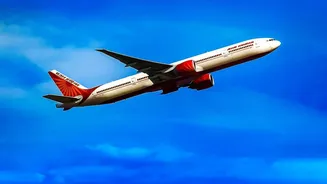
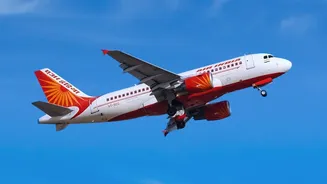
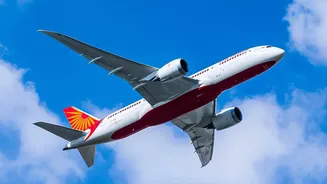
which held a 49% share in the Vistara joint venture, acquired a 25.1% stake in the newly enlarged Air India entity, with Tata Sons holding the majority 74.9%. This wasn't a simple cash purchase; SIA swapped its share in Vistara and made a substantial investment of around ₹2,059 crore into the merged airline. The deal, which received approval from the Competition Commission of India (CCI) in September 2023, has created a formidable force in the market. The combined Air India Group now operates a fleet of around 300 aircraft, serving over 100 destinations with more than 8,300 weekly flights.
SIA's Strategic Bet on India
For Singapore Airlines, a carrier renowned for its profitability and premium service, the investment is a strategic gateway into one of the world's fastest-growing aviation markets. Rather than competing with a growing Indian giant, the deal allows SIA to participate directly in its growth story. SIA views its shareholding in Air India as a key pillar of its multi-hub strategy, deepening a relationship that began with the Vistara joint venture in 2013. The partnership has already expanded, with the airlines launching joint initiatives in October 2026 to offer more flight options and reciprocal frequent flyer benefits. While the investment provides a crucial foothold, it also comes with significant financial exposure to Air India's challenging turnaround.
The Financial Reality: A Long Haul to Profit
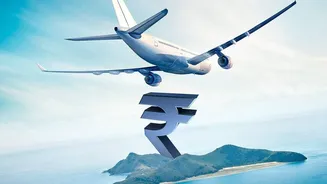
The headline's mention of a first-half fiscal 2027 loss points to the steep financial hurdles Air India faces. Recent disclosures from Singapore Airlines confirm this reality. For the first six months of fiscal year 2027 (ending September 30, 2026), Air India is estimated to have incurred losses of approximately ₹10,500 crore. SIA's 25.1% share of these losses amounted to about S$361.7 million (around ₹2,640 crore). While this is an improvement from the ₹12,500 crore loss estimated in the same period last year, the figures underscore the immense financial challenge. These ongoing losses have also impacted the book value of SIA's investment, which fell significantly in the six months to September 2026, reflecting the financial burn. The full-year loss for fiscal 2026 was a staggering ₹22,000 crore, more than double the previous year.
Tata's Ambitious Turnaround Plan
Since reacquiring the airline in January 2022, the Tata Group has embarked on a massive five-year transformation plan named 'Vihaan.AI'. The strategy involves modernising the fleet with a historic order for new aircraft, revamping cabin interiors, upgrading legacy IT systems, and improving customer service. The consolidation of four airlines (Air India, Vistara, Air India Express, and AIX Connect) into two brands—a single full-service carrier and a single low-cost carrier—is the cornerstone of this plan. However, Tata Sons Chairman N. Chandrasekaran has recently acknowledged that the turnaround is more complex than anticipated, extending the expected timeline from five to potentially ten years due to supply chain issues and other headwinds.
The Road Ahead: Integration and Competition
The successful legal merger of Vistara is a major milestone, but the operational integration is a continuing process. Former Vistara aircraft are now flying under Air India flight codes, and its loyalty program members have been migrated to the renamed 'Maharaja Club'. The group's focus is on creating a world-class global airline with an 'Indian heart'. Yet, the path is fraught with challenges. The airline must navigate a highly competitive domestic market dominated by IndiGo, while also contending with powerful Middle Eastern carriers on international routes. Achieving profitability will depend not just on integrating systems and fleets, but also on creating a unified service culture and overcoming the immense financial pressures that continue to weigh on the balance sheet.