






Start with a Secured Credit Card
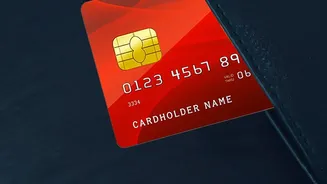
A secured credit card is one of the safest and most effective ways for a young person to begin their credit journey. Unlike regular credit cards that require a strong credit history, a secured card is issued against a fixed deposit (FD) that you place
with the bank. This FD acts as collateral, making it very low-risk for the lender and easy for you to get approved, often without income proof. The credit limit is typically a percentage of your FD amount. Every transaction and, more importantly, every timely bill payment is reported to credit bureaus like CIBIL. By using the card for small, regular purchases and paying the bill in full each month, you demonstrate responsible credit behaviour. This gradually builds a positive payment history, which is the most significant factor in your CIBIL score.
Use 'Buy Now, Pay Later' (BNPL) Wisely
‘Buy Now, Pay Later’ services have become extremely popular at checkout counters, both online and offline. While they seem like a simple payment deferral, BNPL is a formal credit product. Each time you use a BNPL service, it is essentially a small, short-term loan funded by a partner bank or NBFC, and this activity is reported to credit bureaus. If you are disciplined, this can work in your favour. Making consistent, on-time payments on your BNPL dues can help build a positive credit history. However, the reverse is also true: a single missed payment can damage your score just like a missed loan EMI would. The key is to use BNPL for planned purchases only, track due dates carefully, and never have too many active BNPL accounts at once, which can make you appear over-leveraged to lenders.
Become an Authorised User on a Family Member's Card
If you have a parent or close family member with a long and positive credit history, becoming an authorised user on their credit card can be a great way to piggyback on their good credit. When you are added to the account, the primary cardholder's payment history for that card can appear on your credit report, helping you build a score without applying for your own credit. The primary cardholder remains responsible for all payments. However, this strategy comes with a major caveat: if the primary user misses payments or has a high credit utilisation ratio on that card, it will negatively affect your score as well. It is crucial to only do this with someone who is financially responsible.
Take a Small Consumer Durable Loan
The headline says no big personal loans, and this is where a small, targeted loan can be strategic. A consumer durable loan, used to purchase items like a smartphone, laptop, or home appliance, is a form of credit that helps build your history. These loans are often easier to get approved for, with some lenders even considering applicants with no prior credit history. The loan is for a specific product, has a fixed EMI, and a clear end date. By making every payment on time, you prove your reliability as a borrower. This creates a positive entry on your CIBIL report, showing you can handle debt responsibly over a set tenure. Lenders often prefer a score of 685-700 for these loans, but policies for first-time borrowers exist.
The Unbreakable Rules: Pay on Time and Keep Usage Low
No matter which credit tools you use, two rules are paramount. First, always pay your dues on time. Payment history is the single biggest factor influencing your CIBIL score. Even one late payment can cause a significant drop and stay on your report for years. Set up auto-pay for all your credit accounts to ensure you never miss a deadline. Second, maintain a low credit utilisation ratio. This is the percentage of your available credit that you are using. Experts recommend keeping this ratio below 30%. A high ratio suggests you are too dependent on credit, which can lower your score. For example, if your credit card limit is ₹50,000, try to keep your outstanding balance below ₹15,000.
Monitor Your Credit Report Regularly
You cannot improve what you do not measure. In India, you are entitled to a free full credit report from each of the major credit bureaus, including CIBIL, once a year. Make it a habit to check your report annually. Review it carefully for any inaccuracies, such as loans you did not take or incorrect payment statuses. Errors on a credit report are not uncommon and can unfairly drag down your score. If you find a mistake, you can file a dispute with the credit bureau to have it corrected. Regular monitoring also helps you track your progress and understand how your financial actions are impacting your score over time.