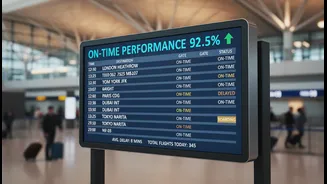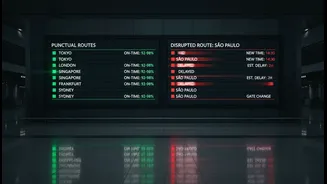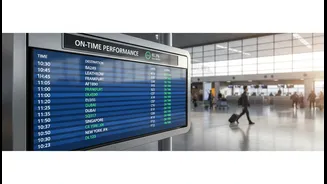







For years, the golden rule of flight booking was simple: find the cheapest fare. But a new trend is taking hold among Indian travellers, where the trauma of delays and cancellations has made punctuality the most valuable commodity of all.
The Age of 'Price-Only' Is Over
Remember the
thrill of snagging a rock-bottom fare, even if it meant a pre-dawn departure or a lesser-known airline? For a long time, that was the game. Travellers, armed with price-comparison websites, hunted for the lowest possible number, and airlines competed fiercely on that single metric. But the travel landscape has changed. The widespread disruptions, frequent cancellations, and cascading delays in recent years have left a lasting scar. Today, a growing number of passengers are realising that the cheapest ticket can come with the highest cost: their time, their peace of mind, and sometimes, the entire purpose of their trip. The hidden costs of a delay—a missed business meeting, a lost hotel night, or simply the stress of uncertainty—are being factored into the booking equation like never before.
Why Punctuality Became the New Premium
The shift isn't just about avoiding inconvenience; it's about a fundamental change in trust. Modern travellers expect reliability, and an airline's ability to operate on schedule is now seen as a primary indicator of its competence and respect for its customers. For business travellers, a punctual flight means they can plan meetings with confidence. For leisure travellers, it means less stress and a smoother start to their holiday. This newfound focus is so strong that on-time performance (OTP) has become a key differentiator in a competitive market. Airlines known for their timeliness are increasingly viewed as more professional and well-organised, a reputation that can be the deciding factor when flight prices are similar.
Data-Driven Decisions for Indian Flyers
This trend is powered by transparency. In India, the Directorate General of Civil Aviation (DGCA) now publishes monthly OTP reports for domestic airlines and major airports. This means every traveller can see which carriers consistently meet their schedules. According to recent DGCA data, a clear hierarchy of reliability has emerged. Airlines like IndiGo and Akasa Air frequently lead the OTP charts, with figures often ranging from 78% to 85%. Others, including the reorganising Air India group and SpiceJet, have shown more variable performance. This publicly available data empowers flyers to move beyond marketing slogans and make choices based on hard numbers. A recent analysis noted that a significant percentage of business travellers in India were already filtering flight searches based on OTP data, signalling a mature shift in booking behaviour.
How Smart Travellers Are Adapting
So what does this look like in practice? Smart travellers are now treating OTP as a critical part of their flight research. Before booking a time-sensitive trip, they are checking the recent performance of both the airline and the specific route. They understand that external factors also play a huge role. For instance, monsoon season can reduce an airline's punctuality by several percentage points, while winter fog is notorious for causing delays at northern airports like Delhi. Even airports have their own punctuality scores; recent data showed Chennai as a highly punctual hub, while busier airports like Mumbai experienced more delays. Armed with this knowledge, a traveller might choose an airline with a higher OTP, even if it costs slightly more, effectively buying an insurance policy against delays.
The Industry Is Taking Notice
Airlines and booking platforms are responding to this consumer shift. Carriers with strong OTP records are prominently using it as a marketing tool to build a reputation for dependability and attract high-value customers. They recognise that a loyal customer base is built on trust and consistent service, not just low prices. Travel portals are also integrating features that offer more transparency, such as price trend analytics that help users decide the best time to book. While the industry has long been obsessed with dynamic pricing based on demand, this new focus on reliability adds another layer. The message from passengers is clear: in an era of unpredictable travel, predictability is a product worth paying for.