



The Digestive Power of Three
Combining cucumber, beetroot, and sprouts creates a synergy of nutrients that work together to support your digestive system. This trio delivers hydration, soluble and insoluble fibre, essential enzymes, and prebiotics. While the word 'fast' depends on your individual
system, consistently incorporating this salad can help promote regularity, soothe irritation, and foster a healthy gut microbiome. Each ingredient plays a unique role in this process, making the combination more effective than each on its own.
Cucumber: The Hydration Hero
Proper hydration is fundamental to good digestion, and cucumbers are over 95% water. This high water content helps soften stool, preventing constipation and ensuring smooth transit through the digestive tract. Cucumbers also contain a valuable type of soluble fibre called pectin, which can increase the frequency of bowel movements. Furthermore, this fibre acts as a food source for beneficial gut bacteria, contributing to a healthier gut environment. For those with sensitive stomachs, cucumbers are generally considered gentle and easy to digest, and their cooling properties can help soothe mild stomach acidity.
Beetroot: The Gut's Best Friend
Beetroot is a nutritional powerhouse for digestive health. It is an excellent source of fibre, which not only adds bulk to stool but also serves as a prebiotic, feeding the beneficial Bifidobacteria and Lactobacilli in your gut. This process produces short-chain fatty acids, which nourish the cells lining your colon. Beetroot also contains betalains, potent antioxidants that help reduce inflammation in the digestive tract. Additionally, the natural nitrates in beetroot are converted to nitric oxide in the body, a molecule that can improve blood flow to the gut, further supporting healthy digestive function.
Sprouts: The Enzyme Powerhouse
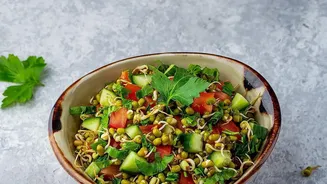
Sprouts are germinated seeds that are bursting with life and nutrients. The sprouting process activates enzymes that help pre-digest starches and proteins, making them incredibly easy for your body to break down and absorb. This enzymatic action can reduce feelings of bloating and gas that some people experience with other vegetables. Sprouting also significantly increases fibre content and reduces anti-nutrients like phytic acid, which can otherwise block the absorption of minerals. Including a variety of sprouts, such as mung bean or broccoli sprouts, adds a concentrated dose of vitamins, minerals, and antioxidants to your meal.
Building Your Perfect Digestive Salad
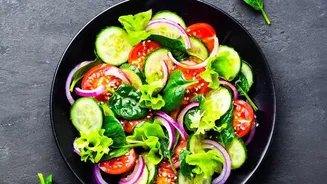
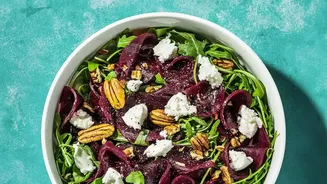
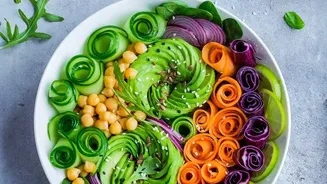
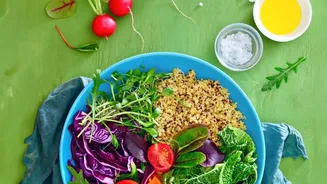
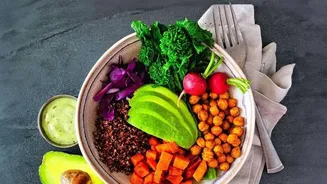
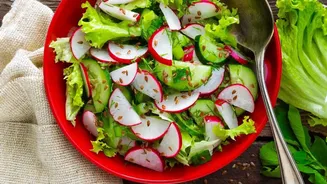
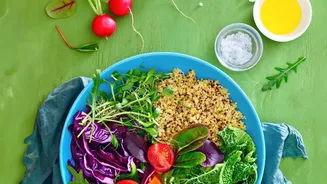
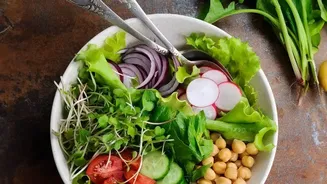
Creating your daily salad bowl is simple. There's no single recipe, allowing for flexibility. Start with a base of fresh lettuce or mixed greens. Add generous amounts of sliced or grated cucumber and cooked beetroot. You can roast or boil beets yourself or use pre-cooked, vacuum-packed ones for convenience. Top with a handful of your favourite fresh sprouts, such as mung bean, lentil, or alfalfa sprouts. For a dressing, keep it simple to maximize the health benefits. A mix of extra-virgin olive oil, a squeeze of lemon juice, and a pinch of salt and pepper is all you need. The healthy fats in the olive oil will also help your body absorb the fat-soluble vitamins from the vegetables.
A Note on Getting Started
If your diet is not currently high in fibre, it's wise to introduce this salad gradually. A sudden large increase in fibre can sometimes cause temporary bloating or gas as your digestive system adapts. Start with a smaller portion every other day and slowly build up to a daily bowl. For beetroot, its high fructan content can be a trigger for some people with Irritable Bowel Syndrome (IBS), so mindful portioning is key. Similarly, while sprouts are highly digestible, they are fibre-rich and are best introduced slowly if you have a sensitive stomach. Always ensure your sprouts are fresh and stored correctly to avoid any risk of foodborne illness.