




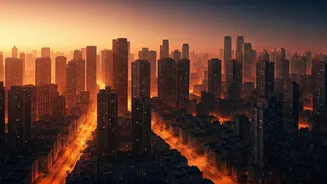


The Science of a Concrete Jungle
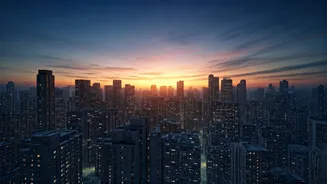
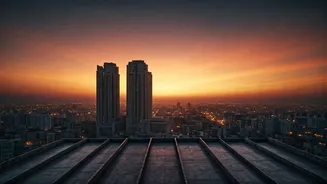
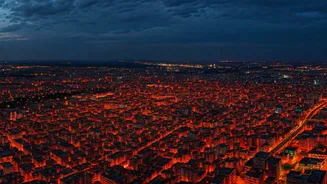
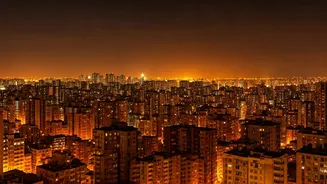
This phenomenon is known as the Urban Heat Island (UHI) effect, where cities experience significantly warmer temperatures than surrounding rural areas. In India, the difference can be dramatic, with some studies showing cities are 2 to 10°C hotter than their
countryside counterparts. The main culprits are the materials we use to build our cities. Concrete buildings, metal roofs, and, most notably, dark asphalt roads replace natural, cooling landscapes like forests and fields. These man-made surfaces absorb and retain heat far more effectively than natural ground cover.
Asphalt: A Giant, Black Heat Sponge
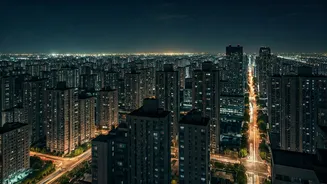
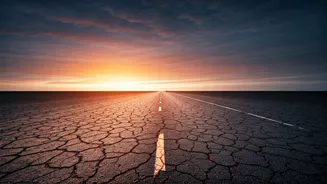
Asphalt is the perfect material for trapping heat. Its dark black or grey colour has a low albedo, meaning it absorbs most of the sunlight that hits it rather than reflecting it. Some estimates suggest asphalt can absorb up to 95% of solar energy. Furthermore, asphalt has a high thermal capacity and low thermal conductivity. In simple terms, it heats up quickly during the day, stores a massive amount of that heat within its dense structure, and then releases it very slowly. This slow radiation of stored heat is what keeps the air temperature high long after the sun has gone down, sometimes even past midnight.
The Vicious Cycle of Night-Time Heat
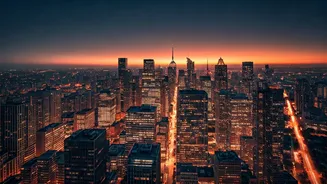
This night-time heat release prevents cities from cooling down, which has a cascading effect. Buildings that have been baked in the sun all day have no chance to shed their own stored heat if the air outside remains warm. This traps residents in a cycle of sweltering conditions, day and night. The lack of vegetation in dense urban cores worsens the problem, as there's less cooling from shade and evapotranspiration—the process where plants release water vapour. The geometry of cities, with tall buildings creating 'urban canyons', can also trap warm air and block cooling breezes.
The Human Cost of Hot Nights
The inability to cool down at night has serious consequences for public health. Persistent heat exposure leads to heat stress, dehydration, and exacerbates cardiovascular and respiratory conditions. Vulnerable populations, such as the elderly, outdoor workers, and those living in poorly ventilated homes, are at the highest risk. Economically, the impact is also significant. The demand for air conditioning skyrockets, placing a strain on the power grid and leading to higher electricity bills for households. This increased energy consumption, in turn, contributes to more anthropogenic heat release, further warming the city.
Paving a Cooler Path Forward
The good news is that solutions exist. 'Cool pavements' are a promising innovation. These involve applying reflective, lighter-coloured coatings to existing asphalt to increase its albedo, reflecting more sunlight and absorbing less heat. Pilot projects in cities like Los Angeles have shown that these coatings can significantly lower surface temperatures. Other strategies include using permeable pavements that allow water to evaporate and cool the surface, and, most critically, increasing green cover by planting more trees and creating parks. In India, there's also growing interest in 'cold mix asphalt' technology, which is more eco-friendly to produce and could be adapted for cooler properties.