

What are Sodium-Ion Batteries?
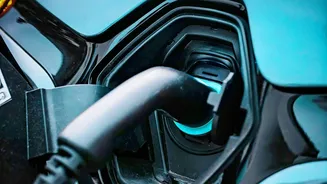
At its core, a sodium-ion (Na-ion) battery works much like the lithium-ion (Li-ion) batteries found in our smartphones and current EVs. It stores and releases energy by moving ions between two electrodes, a cathode and an anode. The key difference is
the star player: instead of relying on lithium, it uses sodium. Sodium is the same element found in common table salt, and it is incredibly plentiful across the globe, a fact that forms the foundation of its potential to disrupt the energy market. This emerging technology is gaining significant attention as a viable alternative to lithium-ion, especially for applications where cost is a critical factor.
The Big Advantage: Abundance and Cost
The primary appeal of sodium-ion technology is its economics. Sodium is estimated to be up to 500 times more abundant than lithium, which is geographically concentrated and subject to volatile pricing and geopolitical supply risks. By swapping lithium for sodium, and often avoiding other expensive metals like cobalt and nickel, Na-ion batteries have a significantly lower raw material cost. When produced at scale, experts project that sodium-ion batteries could be 20-40% cheaper than their lithium-ion counterparts, directly translating to more affordable EVs and energy storage systems. This cost advantage is crucial for India's market, where price sensitivity is high.
Performance: The Great Trade-Off
While Na-ion batteries win on cost, there are performance trade-offs. Their main limitation is lower energy density, meaning they store less energy for their weight compared to high-performance Li-ion cells. A typical Na-ion battery might offer an EV a range of up to 350 km, whereas Li-ion can push beyond 400-600 km. However, the performance gap is narrowing. Moreover, Na-ion technology boasts superior safety, with a lower risk of fire, and performs significantly better in cold weather. Recent developments have also shown rapid charging capabilities, with some prototypes reaching 80% charge in just six minutes.
Why This is a Game-Changer for India
For India, sodium-ion technology aligns perfectly with national priorities like 'Atmanirbhar Bharat' (self-reliant India). Reducing dependence on imported lithium, cobalt, and nickel is a major strategic goal. A domestic sodium-ion ecosystem could create energy security and insulate the EV market from global supply chain shocks. Several Indian companies are already making strides, including IndiEnergy, which uses agricultural waste to create a key battery component, and Rechargion, a startup spun out of CSIR-National Chemical Laboratory. Furthermore, major players like Reliance Industries are investing heavily, having acquired the UK-based Na-ion firm Faradion with plans for a giga-factory in India.
The Road Ahead for Sodium-Ion EVs
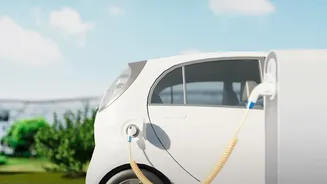
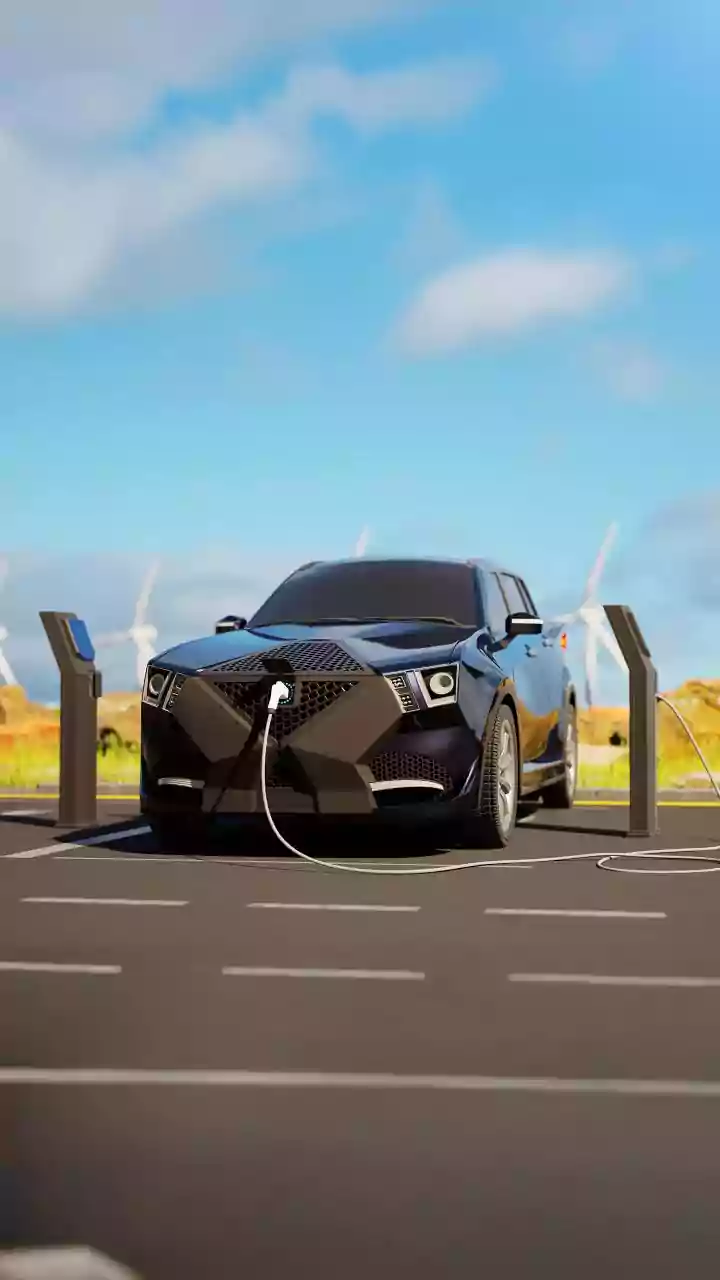
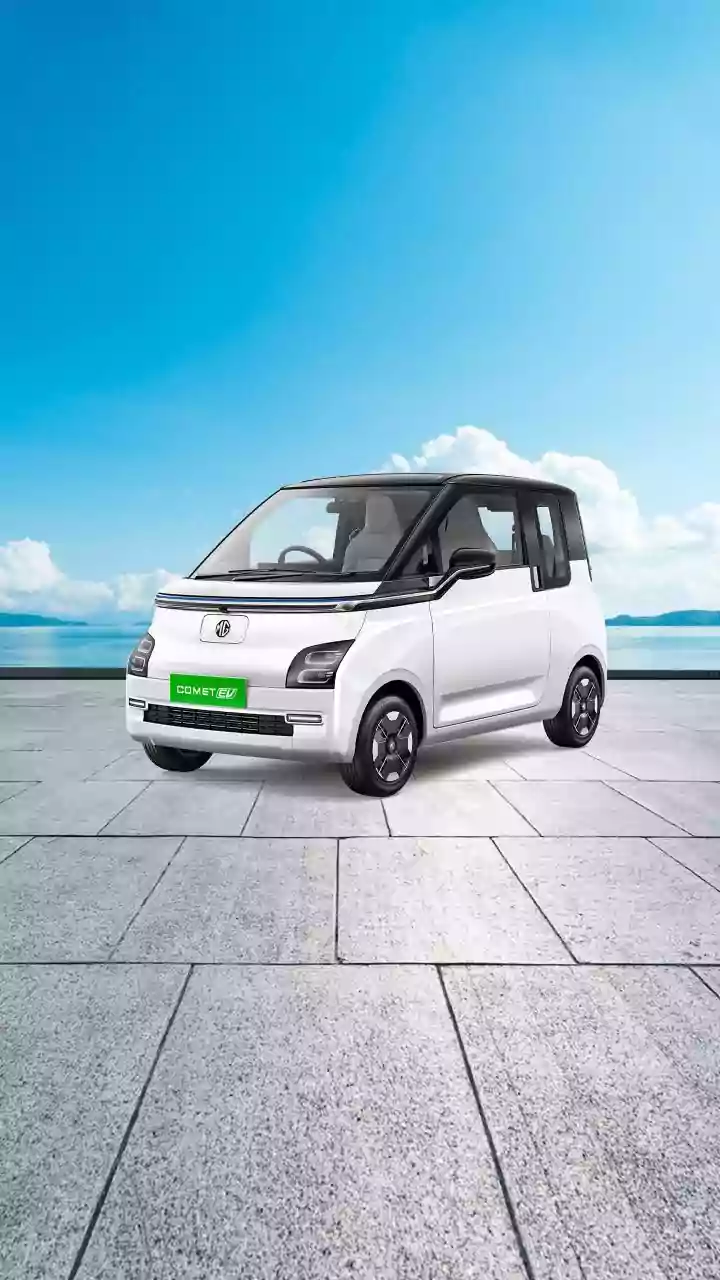
While the technology is promising, a full-scale transition will take time. Globally, mass commercialization is expected to gain momentum through 2026 and 2027. In India, the first wave of adoption will likely be in two- and three-wheelers and stationary energy storage, where lower energy density is less of a concern. For passenger cars, Na-ion is perfectly suited for affordable, entry-level urban EVs where a 300 km range is more than sufficient. Challenges remain in scaling up manufacturing to compete with the established lithium-ion industry, but the path is becoming clearer. The large-scale deployment of these batteries in India is anticipated between 2026 and 2028.