









Choose an Eco-Friendly Idol
The single most important decision is the idol itself. For years, the environmental impact of Plaster of Paris (PoP) idols has been a major concern, leading to polluted water bodies post-visarjan. This year, the shift to sustainable options is stronger
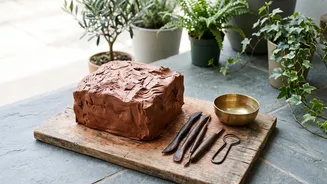
than ever. The Brihanmumbai Municipal Corporation (BMC) is actively promoting eco-friendly idols by offering free mandap spaces and even providing 'shadu' clay to sculptors. These clay idols dissolve harmlessly in water, protecting marine life. You can also find creative alternatives made from paper mache, seeds, or even chocolate. While they might cost a little more than PoP, choosing an eco-friendly Ganpati is a powerful way to celebrate responsibly. Booking your idol in advance is crucial as the best ones sell out fast.
Plan Your Home and Mandap Decor
Once you have your idol, the next step is creating a beautiful space for Bappa. Traditionally, homes and mandaps are elaborately decorated. This year, consider sustainable decor. Instead of thermocol and plastic, use fresh flower garlands, potted plants, and colourful dupattas or sarees to create a vibrant backdrop. Lighting can be handled with traditional diyas instead of power-hungry string lights. Don't forget the puja essentials. Make a list and shop early to avoid the last-minute rush for items like marigolds, hibiscus flowers, incense, camphor, turmeric, vermilion, and, of course, the ingredients for prasad.
For Mandals: Secure Permissions Online
If you are part of a Sarvajanik Ganeshotsav Mandal, securing permissions is a top priority. The BMC has streamlined this process with a single-window online system, which is operational from August 14 to September 13, 2026. This portal integrates permissions from the BMC, local police, and traffic police. Mandals can apply for new permissions or renew existing ones. A key requirement this year is that two volunteers from every public mandal must attend a mandatory training programme on crowd management, fire safety, and first aid. Crucially, the BMC has prohibited digging holes on roads or footpaths to erect pandals, urging organisers to use alternative techniques.
Safety First: A Sobering Reminder
Festival preparations have been tragically marred by an incident on August 24, where a 22-foot idol fell during an arrival ceremony, leading to fatalities and injuries. This serves as a grim reminder to prioritize safety above all else. During processions and installations, especially with large idols, ensure that structures are secure and crowds are managed properly. Be aware of your surroundings and follow all guidelines provided by mandal organisers and the police. The BMC has also warned mandals to be cautious while crossing older bridges in the city, as they may not be able to handle the excessive weight of large crowds and processions.
Navigate City Traffic and Crowds
Mumbai transforms during Ganeshotsav, and so does its traffic. Expect traffic advisories and diversions, especially in central Mumbai and the western suburbs, during the festival period and particularly on major visarjan days. Goods vehicles may be prohibited on key roads around popular pandals and immersion points. If you plan to go pandal-hopping, use public transport where possible and prepare for large crowds, especially at famous locations like Lalbaugcha Raja and GSB Seva Mandal. Check the Mumbai Traffic Police notifications for specific route closures and alternate routes to plan your travel efficiently and avoid getting stuck for hours.
Prepare for a Conscious Visarjan
The farewell to Ganpati should be as thoughtful as his welcome. To manage pollution, the BMC has set up hundreds of artificial ponds across the city. All household idols and public idols under a certain height are meant to be immersed in these artificial ponds. Larger idols can be taken to natural immersion spots like Girgaum Chowpatty, but devotees will hand over the idols to civic teams at collection centres rather than entering the water themselves. Segregate nirmalya—flowers, garlands, and other organic offerings—and dispose of it in the dedicated bins provided at immersion sites. This ensures it can be composted instead of polluting the water.