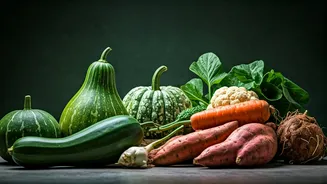






Bottle Gourd (Lauki)
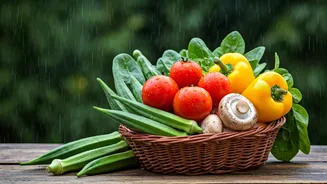
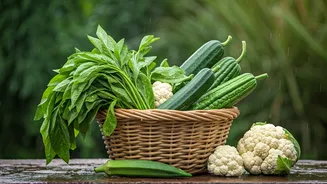
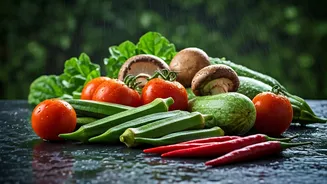
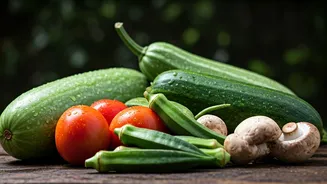
Often overlooked, lauki is a monsoon superstar. With its high water content (about 92%), it's incredibly hydrating and very light on the stomach, making it easy to digest—a crucial benefit when the digestive system can be sluggish during this season.
Rich in vitamins C and B, iron, and sodium, it helps replenish essential nutrients. Its cooling properties help manage blood pressure and keep the body calm. Lauki is also low in calories and high in fibre, which aids in weight management and promotes a feeling of fullness. Traditionally, it's recommended in Ayurveda for its ability to reduce liver inflammation. It’s incredibly versatile; you can use it to make a simple sabzi, a flavourful soup, or even blend it into a juice with mint and lime for a detoxifying morning drink.
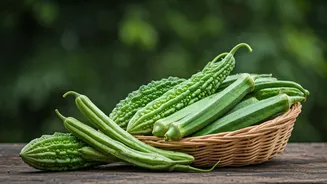
Bitter Gourd (Karela)
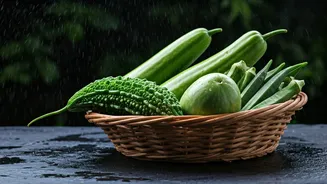
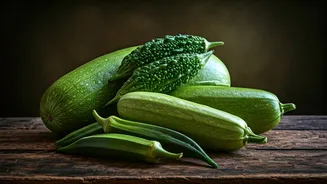
Don't let the bitterness scare you away! Karela is a powerhouse of nutrients that are especially beneficial during the monsoon. It's packed with antioxidants and vitamins A and C, which are vital for strengthening the immune system and fighting off common infections like colds and flu. Its potent antiviral and antibacterial properties help protect the body from seasonal ailments. For centuries, karela has been used in traditional Indian medicine to manage blood sugar levels, making it excellent for diabetics. It also purifies the blood and improves skin health, tackling issues like boils and fungal infections that can be more common in the damp weather. To reduce its bitterness, you can salt the pieces and let them sit for 30 minutes before cooking. A simple stir-fry with onions and spices makes it delicious.
Pointed Gourd (Parwal)
Parwal, or pointed gourd, is another humble vegetable that shines during the rainy season. It's exceptionally good for the digestive system. Rich in fibre, it helps regulate bowel movements and prevent constipation, a common complaint during the monsoon. It is also known to soothe the stomach and control issues like gas and acidity. According to Ayurvedic texts, parwal helps in balancing the 'Kapha' dosha, which is often aggravated during the wet season, leading to respiratory issues. It’s a good source of vitamins A and C, which boost immunity and promote healthy skin. Being low in calories, it fits perfectly into a healthy diet. You can stuff it with masala, add it to curries, or simply fry it for a quick and nutritious side dish.
Ridge Gourd (Turai)
Turai, also known as ridge gourd, is a fantastic addition to your monsoon plate. Like lauki, it has a high water content and is very easy to digest. It acts as a natural blood purifier, helping to flush toxins from the body. This cleansing action is particularly helpful when the risk of water-borne diseases is high. It is loaded with dietary fibre, which not only aids digestion but also provides relief from constipation. Furthermore, turai is a good source of vitamin C and zinc, both of which are essential for a robust immune response. It contains insulin-like peptides and alkaloids that help in controlling blood sugar levels. Its cooling effect on the body makes it a soothing choice for meals. A simple turai dal or a light sabzi with minimal spices is both comforting and healthy.
Sweet Potato (Shakarkandi)
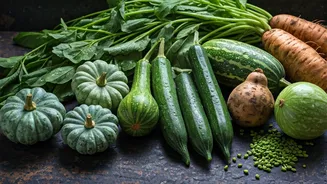
While we often associate it with winter, sweet potato is an excellent root vegetable to consume during the monsoon. It's a fantastic source of dietary fibre, which keeps the digestive system healthy. More importantly, it is loaded with Vitamin C and beta-carotene (which the body converts to Vitamin A), both powerful antioxidants that are crucial for building strong immunity. This helps your body defend against the bacteria and viruses that thrive in damp conditions. Its high fibre content also helps in managing weight by promoting satiety. You can roast it, boil it and make a chaat, or add it to curries for a naturally sweet and earthy flavour. It’s a healthier alternative to the regular potato and provides sustained energy.