


A New Travel Map
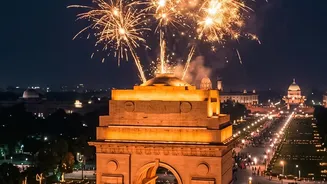
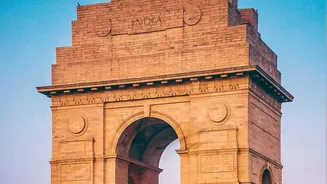
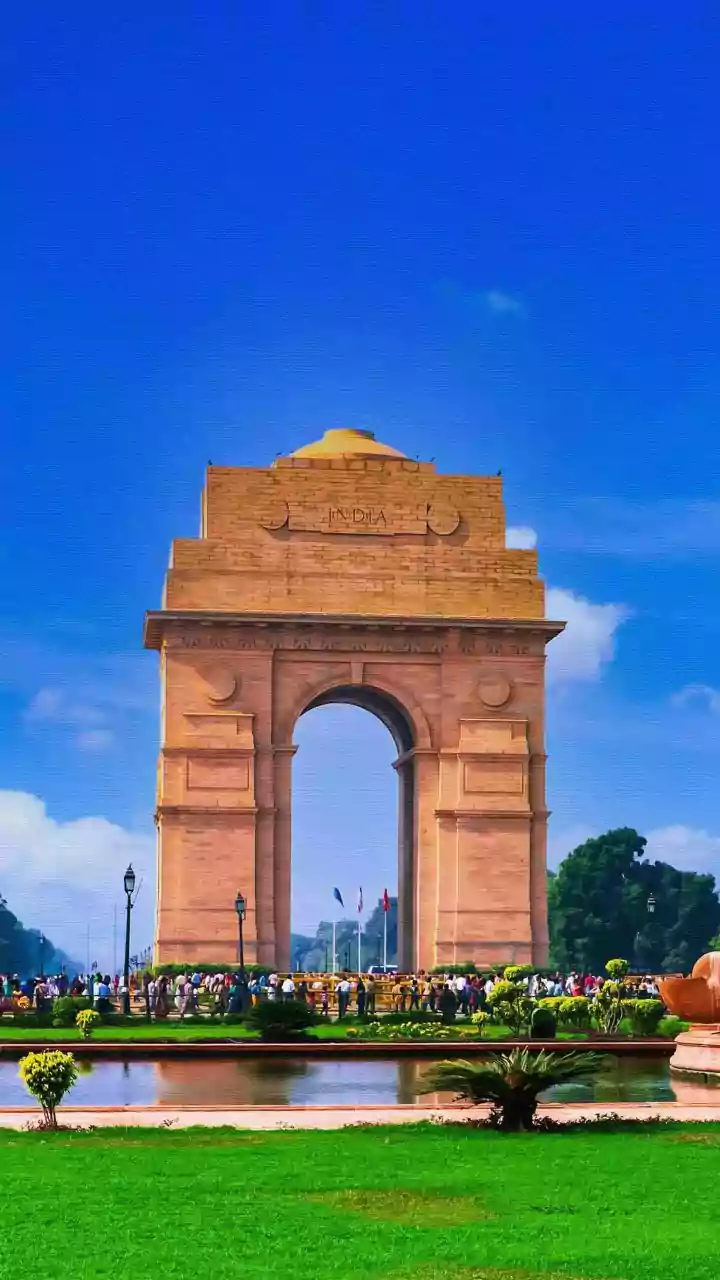
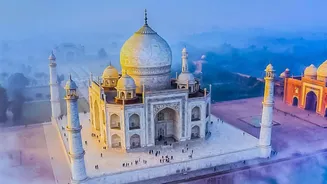
For decades, the quintessential Indian holiday was defined by the Golden Triangle of Delhi, Agra, and Jaipur. While these cities remain pillars of heritage, the 2027 traveller's map is expanding dramatically. An increasing number of visitors are venturing
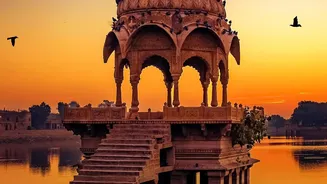
to lesser-known destinations, seeking more authentic and less crowded experiences. Agoda's 2027 travel trends report found that 55% of Indian travellers are likely to visit a lesser-known destination, a sentiment that reflects a broader global trend. Emerging hotspots include the serene river island of Majuli in Assam, known for its monastic culture, and the forgotten Danish colonial outpost of Tranquebar in Tamil Nadu. In Rajasthan, tourists are looking beyond Jaipur to places like Jawai, where leopards and local communities coexist peacefully. This shift indicates a desire for deeper, more personal journeys over ticking off famous landmarks.
The Culinary Journey
Perhaps no trend is reshaping Indian tourism as powerfully as the rise of culinary travel. Once a secondary part of the travel experience, food is now a primary motivation for visiting. The Indian culinary tourism market is projected to grow significantly, driven by travellers eager to explore regional specialties, from street food tours in Mumbai and Kolkata to immersive cooking workshops in Kerala. This goes beyond just dining; it's about understanding the story behind the food. Hotels and homestays are adapting, creating menus that act as 'cultural ambassadors' and offering farm-to-table experiences that connect guests with local producers. This focus on authentic gastronomy provides a delicious new lens through which to explore India's vast cultural diversity.
Wellness and Conscious Travel
The concept of a wellness holiday has found its natural home in India, the birthplace of yoga, meditation, and Ayurveda. Destinations like Rishikesh, Kerala, and Goa are no longer just for spiritual seekers but are attracting a wider audience looking to disconnect and rejuvenate. This trend aligns with a growing global movement towards 'slow travel' and sustainability. Modern travellers are increasingly choosing eco-conscious stays, from luxury retreats like Six Senses Vana that focus on sustainability to community-run homestays. These experiences offer a chance to not only heal oneself but also to engage with and support local communities, making travel a more meaningful exchange.
Infrastructure and Luxury Reimagined
India's rise as a top-tier destination has been supported by significant investment in tourism infrastructure. Government schemes like Swadesh Darshan 2.0 are helping to develop integrated destinations with better facilities, moving beyond isolated attractions to create holistic visitor experiences. This improved connectivity and accessibility is making travel smoother and more efficient. Simultaneously, the definition of luxury is expanding. While opulent palace hotels in Rajasthan continue to draw visitors, luxury is now also found in exclusive, experience-led journeys. This includes private tiger safaris in Madhya Pradesh, bespoke cultural tours in Nagaland, or staying in high-end mountain lodges in the Himalayas. This new paradigm combines world-class comfort with deeply personal and memorable adventures.