







From Aesthetics to Edibles
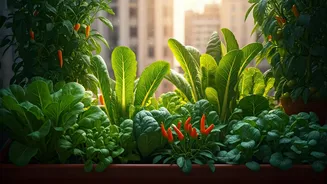
The most significant shift in urban gardening is the turn towards growing food. What was once a niche activity is now mainstream, as a generation of urban Indians chooses to cultivate something real amidst their concrete lives. The reasons are practical
and profound. Growing awareness about the use of pesticides on commercially grown vegetables and the environmental cost of long-distance food transport is a major driver. City dwellers, particularly young professionals and families, are making a conscious choice to eat fresh, chemical-free produce that travels seconds from pot to plate. In cities like Mumbai, Bengaluru, and Delhi, rooftops and balconies are being transformed into small farms growing everything from daily herbs like coriander and mint to vegetables like tomatoes, chillies, and brinjal. This trend directly addresses food security concerns, providing a buffer against supply chain disruptions and making nutritious food more accessible.
A Patch of Nature, A Breath of Fresh Air
Beyond the kitchen, urban gardens are becoming crucial pockets of biodiversity. As cities expand, green spaces are shrinking, and the connection to nature is often lost. In response, gardeners are cultivating native plants to support local ecosystems. These plants, adapted to local conditions, require less water and attract essential pollinators like bees and butterflies, which are struggling to survive in urban environments. By planting native species like hibiscus, jasmine, or marigold, gardeners are creating 'green corridors' that help connect fragmented city habitats. These small green patches contribute to improving air quality, reducing the urban heat island effect, and bringing bird calls back to the cityscape. It is a recognition that even a small balcony can function as a productive, biodiverse haven.
Gardens That Grow Communities
Urban gardening is also a social movement. Community gardens are increasingly seen as a way to foster connection and teamwork in dense urban environments. These shared plots bring people from different backgrounds together to grow food, share skills, and build stronger, more resilient neighbourhoods. In cities like Pune and Bengaluru, community-supported agriculture initiatives are gaining traction. The rise of social media has played a huge role, making gardening more visible and aspirational. Online groups, WhatsApp chats, and local meetups have created supportive communities where gardeners exchange tips on everything from soil mixes to organic pest control, turning a solitary hobby into a collective experience. This social aspect strengthens community bonds and empowers residents with new skills.
The New Urban Farmer
The people driving this trend are a diverse group. They are young millennials who took up the hobby during pandemic lockdowns and found it a form of self-care. They are parents wanting nutritious food for their families, and retirees rediscovering a passion for the soil. This movement is being enabled by innovation. Products designed specifically for urban conditions, like lightweight potting mixes and organic fertilisers, are now widely available. Startups are offering everything from DIY kits to hydroponic systems that allow for soilless cultivation in tight spaces. Techniques like vertical gardening are helping Mumbaikars transform tiny balcony walls into lush green oases. What unites these new urban farmers is a desire for connection—to their food, to nature, and to each other—proving that you don't need a large plot of land to make a meaningful impact.