








Embrace the Digital Committee
The age-old concept of a 'committee' or chit fund is getting a modern, digital makeover. Instead of relying on a community pool, graduates are using technology to enforce saving discipline. Budgeting apps designed for the Indian market are a popular choice.
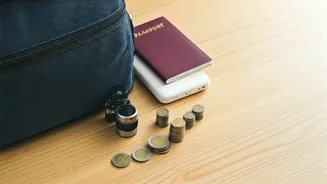
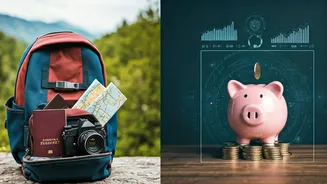
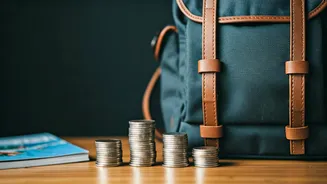
Apps that automatically track expenses by reading bank and UPI transaction messages can provide a clear, often surprising, picture of where money is going. Others use the 'envelope' method, where you digitally allocate funds for different categories like groceries, transport, and, most importantly, travel. Setting up automatic monthly transfers to a dedicated travel savings account, a strategy known as automating contributions, ensures that a portion of your salary is firewalled for your trip before you're tempted to spend it. This disciplined, automated approach is the first step toward building a substantial travel fund.
The Rise of the Side Hustle
A starting salary can only stretch so far, which is why many graduates are turning to side hustles to accelerate their travel savings. The gig economy in India offers a wealth of flexible opportunities that can be managed alongside a full-time job. Skills like freelance content writing, graphic design, social media management for local businesses, and online tutoring are in high demand. These gigs not only provide an extra stream of income—which can be funnelled directly into a travel fund—but also build valuable professional skills. Platforms like Upwork, Fiverr, and even LinkedIn connect skilled graduates with clients, while the widespread use of UPI makes receiving payments seamless. Experts suggest that even a few focused hours a week can generate a meaningful income, turning a distant travel dream into a concrete, short-term goal.
Leveraging the At-Home Advantage
A significant financial advantage for many young Indian graduates is the option to live with their parents after college. While culturally common, this is also a powerful financial strategy. By saving on major expenses like rent, utilities, and often food, a much larger portion of their income can be allocated to savings. Many young professionals who live at home report being able to save and invest a substantial part of their salary. This financial cushion drastically shortens the time needed to save for a significant goal like an international solo trip. Rather than seeing it as a dependency, these grads view it as a strategic phase of aggressive saving, allowing them to achieve personal goals, like travel, much faster than if they were living independently.
Smart Destination Hacking
Creative budgeting isn't just about saving money; it's also about spending it wisely. Indian graduates are becoming adept at 'destination hacking'—choosing countries where their rupee goes further. Southeast Asian nations like Thailand, Vietnam, and Malaysia are incredibly popular for first-time solo travellers from India. These destinations offer a compelling mix of affordability, rich culture, and relatively straightforward visa processes. For example, the cost of food, accommodation in hostels or guesthouses, and local transport can be remarkably low. Beyond Southeast Asia, countries like Nepal and Sri Lanka are also top choices due to their proximity and value for money. By prioritising destinations with a favourable exchange rate, grads can afford a longer, more immersive travel experience without breaking the bank.
The Backpacker's Mindset on the Road
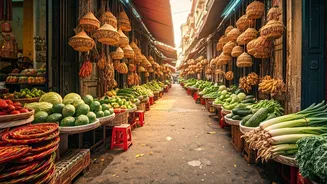
The frugal habits don't stop once the trip begins. Adopting a backpacker's mindset is key to making the travel fund last. This means choosing hostels or homestays over hotels, which not only saves money but also offers a chance to meet other travellers. Eating like a local by favouring street food stalls and small eateries over expensive restaurants provides a more authentic and affordable culinary experience. Using public transport, taking overnight trains or buses to save on a night's accommodation, and walking are standard practices. Many also build a small emergency buffer into their budget for unexpected costs. This resourceful approach to travelling ensures that the journey is defined by the richness of the experience, not the amount of money spent.