




Phobjikha Valley: A Paradise for Nature Lovers
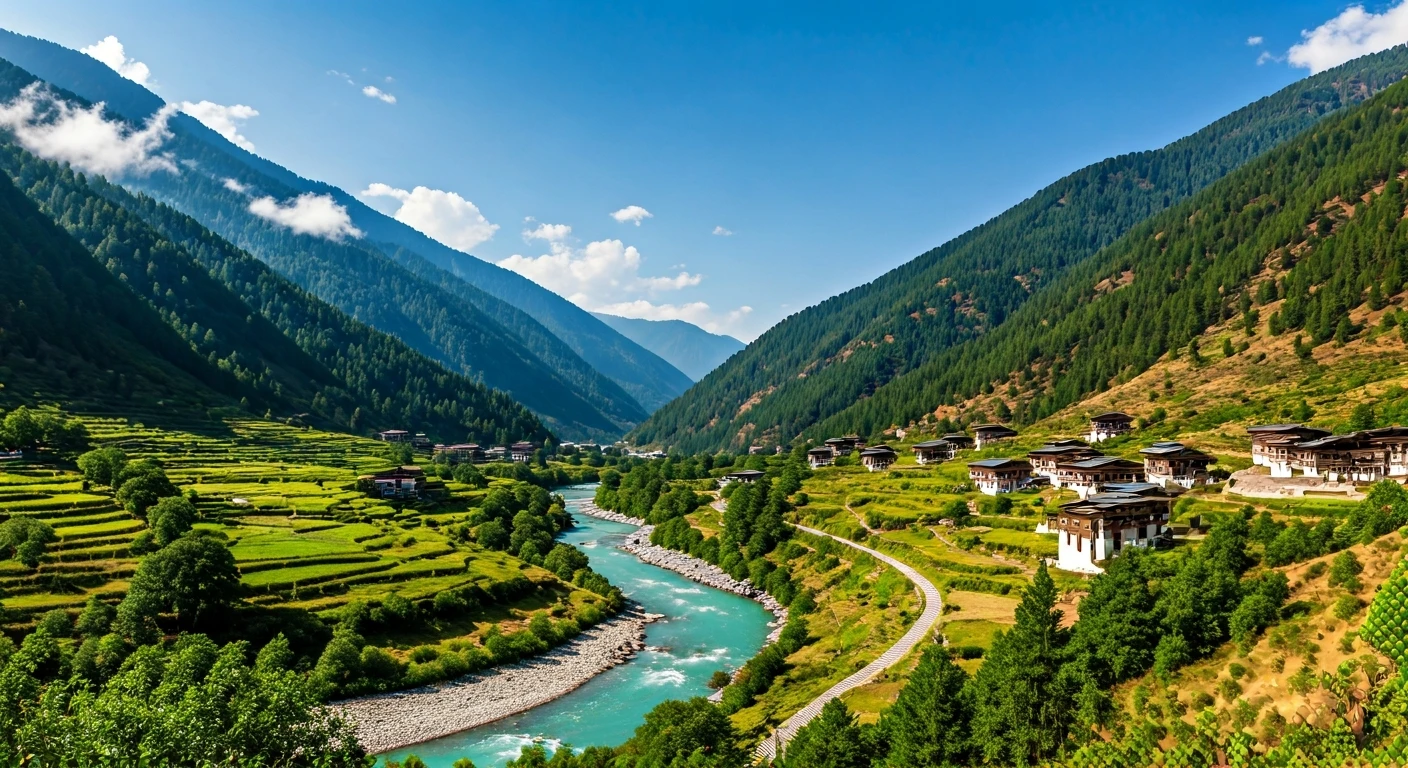
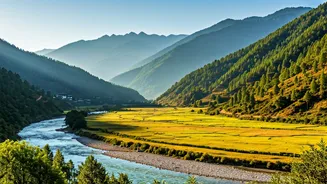
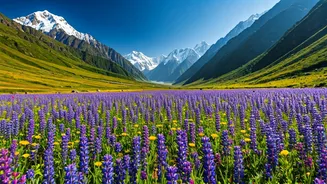
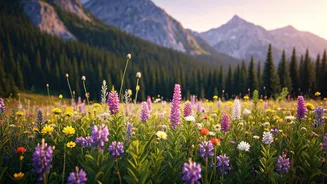
Often called Gangtey Valley, Phobjikha is a vast, U-shaped glacial wonder known for its breathtaking beauty and conservation efforts. This protected wetland serves as the winter home for hundreds of endangered black-necked cranes that migrate from the Tibetan
Plateau between late October and mid-February. In their honour, power lines in the valley have been buried underground to prevent collisions, preserving an incredibly peaceful and unobstructed landscape. Visitors can witness these revered birds, considered symbols of longevity, from the RSPN Crane Information Center, which offers high-powered telescopes for non-intrusive viewing. For a more immersive experience, the Gangtey Nature Trail offers a gentle 90-minute walk from the 17th-century Gangtey Goenpa monastery, across the valley floor, and through quiet forests. Even outside of crane season, the valley’s lush meadows and traditional farmhouses make it a perfect year-round destination for hiking and reflection.
Haa Valley: The Hidden Land of Ancient Traditions
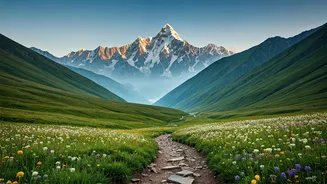
Once closed to foreign tourists until 2002, the Haa Valley retains an air of untouched mystique. Its name translates to "hiddenness," a fitting description for this secluded region near the Tibetan border. The journey itself is an adventure, crossing the Chele La Pass, Bhutan's highest motorable pass, which offers stunning panoramic views of the sacred Mount Jomolhari. The valley is a cultural treasure trove, home to the ancient Lhakhang Karpo (White Temple) and Lhakhang Nagpo (Black Temple), which date back to the 7th century. Haa is ideal for travellers looking to connect with Bhutan’s animist past and shamanistic rituals, which are still practiced here. It is also a haven for hikers and those seeking authentic local life. You can explore quiet villages like Yangthang, try unique local dishes, or embark on walks along old trade routes.
Bumthang Valley: The Nation's Spiritual Heartland
Less a single valley and more a complex of four—Chokhor, Tang, Ura, and Chumey—Bumthang is widely regarded as the spiritual core of Bhutan. This is where Buddhism first took root in the country, and the landscape is dotted with some of its oldest and most important temples and monasteries. In the main Chokhor valley, you can explore revered sites like Kurjey Lhakhang, which contains a body imprint of Guru Rinpoche, and Jambay Lhakhang, one of 108 temples built by a Tibetan king in 659 AD. The region offers a slower, more profound travel experience. Beyond its spiritual significance, Bumthang is known for its beautiful fields of buckwheat, cottage industries producing local cheese and honey, and Bhutan's only brewery, the Red Panda Brewery. The remote Ura Valley, with its unique clustered villages, offers a glimpse into a timeless way of life.
Punakha Valley: A Subtropical and Serene Oasis
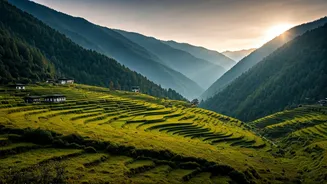
While more well-known than Haa or Phobjikha, the Punakha Valley offers a different kind of tranquillity thanks to its lower altitude and warmer climate. As Bhutan’s former capital, its crown jewel is the stunning Punakha Dzong, an architectural masterpiece located at the confluence of the Pho Chhu (male) and Mo Chhu (female) rivers. The valley's fertile landscape is covered in terraced rice paddies, creating a lush, green environment. A popular and peaceful activity is the pleasant walk through these rice fields to Chimi Lhakhang, a temple dedicated to the maverick saint Drukpa Kunley, famously known as the "Temple of Fertility". The gentle rivers also offer opportunities for rafting, providing a unique perspective of the valley's beauty. Its serene atmosphere and rich history make it a vital stop for those seeking a peaceful yet culturally rich experience.