





Consult a Professional First
Before you remove or add entire food groups, the first and most critical step is to talk to a professional. A paediatrician or a registered dietitian can assess your child's specific needs based on their growth, health status, and activity levels. They
can help determine if a diet change is truly necessary or if smaller adjustments would be more effective. This is especially important to rule out any underlying health conditions. A professional can also help you set realistic goals and avoid the common mistake of giving supplements like iron or calcium without first confirming a deficiency.
Understand Your Child’s Needs
Nutritional needs are not one-size-fits-all; they change rapidly during childhood and adolescence. Many well-meaning parents make changes based on what works for adults, but children require a careful balance of macronutrients—carbohydrates, proteins, and fats—for energy, growth, and brain development. Indian children, in particular, are often prone to deficiencies in iron, Vitamin D, Vitamin B12, and zinc. A diet heavy in cereals without enough variety can contribute to these gaps. Any dietary shift should aim to improve the intake of these specific micronutrients through a variety of accessible foods.
Beware of ‘Healthy’ Fads
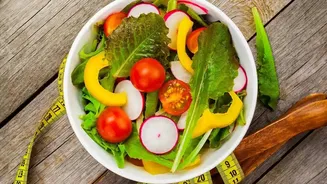
Social media is filled with advice promoting trendy diets like keto, paleo, or extreme low-carb plans. While popular, these restrictive diets are often unsuitable and potentially harmful for growing children, as they can eliminate entire food groups needed for development. They can lead to nutrient deficiencies, impede growth, and foster an unhealthy relationship with food. It is far better to focus on a balanced plate—visualise it as roughly 40% whole grains like roti or millets, 30% vegetables and fruits, 20% protein like dal or paneer, and 10% healthy fats like ghee.
Make Gradual, Sustainable Swaps
Drastic changes rarely stick and can cause your child to reject new foods entirely. Instead of eliminating their favourites overnight, focus on gradual substitutions. If your family eats white rice daily, start by mixing in a small portion of brown rice or millets. Swap refined-flour snacks with whole-wheat alternatives. Introduce one new vegetable at a time alongside familiar dishes. Small, consistent changes are easier for a child to adapt to and are more likely to become lifelong habits. Involving your child in the process, like letting them help with meal planning or preparation, can also spark their interest in healthy eating.
Prioritise Whole, Local Foods
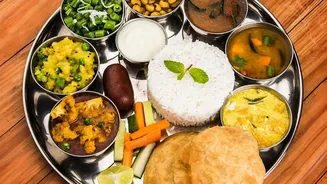
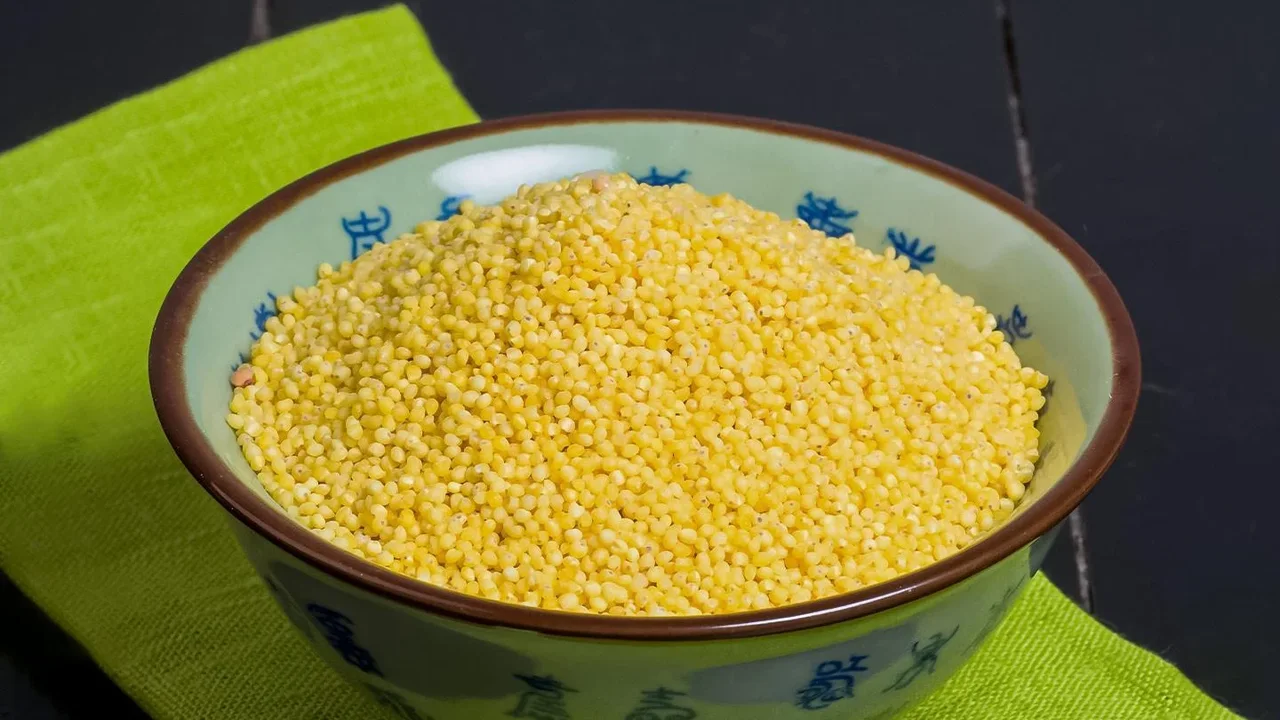
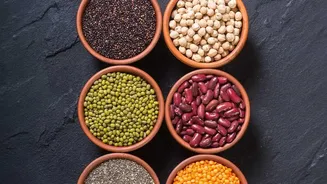
You do not need expensive, imported 'superfoods' to ensure good nutrition. Traditional Indian food systems are incredibly rich in nutrient-dense options. Millets like ragi are packed with calcium, lentils and pulses are excellent protein sources, and seasonal vegetables and fruits provide essential vitamins and minerals. A simple, culturally relevant meal of dal, rice, seasonal sabzi, and curd offers a balanced mix of nutrients. Limiting ultra-processed and sugary packaged foods is one of the most effective changes you can make.