


The Pre-Commercial Era
For decades, the Indian sports landscape was defined by amateurism and state control. Before the economic liberalization of the 1990s, sports were largely funded by the government, and broadcasting was a monopoly of the state-run Doordarshan. Cricket,
while popular, was not the commercial behemoth it is today. The Board of Control for Cricket in India (BCCI) was a modest organization that, at times, had to pay the national broadcaster to air matches. The ecosystem for other sports was even more nascent, with athletes often struggling for basic facilities, funding, and career security.
The IPL Revolution
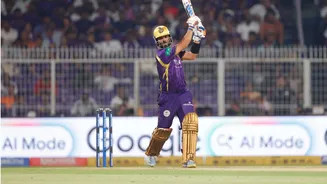
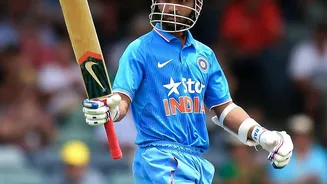
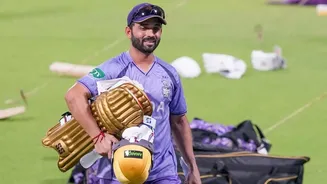
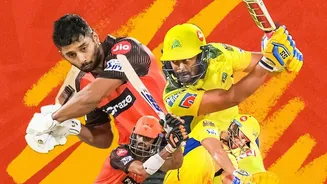
The true turning point arrived in 2008 with the launch of the Indian Premier League (IPL). Learning from earlier attempts, the BCCI created a franchise-based Twenty20 league that brilliantly merged sport with entertainment. By auctioning city-based teams to corporate giants and Bollywood stars, creating a player auction, and packaging it as a three-hour prime-time drama, the IPL created a new market called 'cricketainment'. This model unlocked huge demand, attracting audiences who had previously been indifferent to the traditional, slower formats of the game. The league was an instant commercial success, its business value growing exponentially over the years to reach an estimated $20.6 billion in 2026.
The Broadcasting Gold Rush
At the core of the IPL's financial engine are its media rights. The 2023-2027 rights were sold for a staggering ₹48,390 crore, making the IPL one of the most valuable sports leagues in the world on a per-match basis, second only to the NFL. This influx of cash transformed the BCCI into the wealthiest and most powerful cricket board globally. A significant portion of this revenue is shared with the franchises, ensuring their financial viability and creating a stable, recurring income stream that underpins the entire ecosystem. This guaranteed revenue allows teams to invest in players, facilities, and brand building, creating a virtuous cycle of growth.
A Blueprint for Other Sports
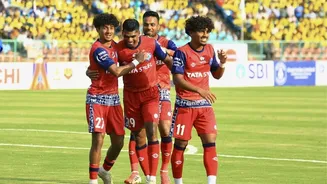
The IPL's runaway success provided a clear and compelling blueprint for other sports in India. Inspired by its franchise model, a host of new leagues emerged, including the Pro Kabaddi League (PKL), the Indian Super League (ISL) for football, and leagues for badminton, hockey, and even pickleball. The PKL, in particular, managed to revive a traditional Indian sport and turn it into a primetime television success, becoming the second-most-watched league in the country. These leagues adopted key elements from the IPL playbook: city-based rivalries, player auctions, and a strong focus on broadcast quality and marketing to attract sponsors and viewers.
A Double-Edged Sword
While cricket's commercial success has provided a template for others, its sheer dominance also presents challenges. Cricket commands the lion's share of sponsorship, media attention, and revenue, contributing to over 88% of the Indian sports industry's value in some years. This has created significant funding and visibility gaps for other disciplines. Many non-cricket athletes and leagues struggle with financial insecurity, inadequate infrastructure, and the difficulty of building a sustained fanbase in the shadow of cricket's year-round presence. Experts argue that for other sports to achieve sustainable success, they need more than just a league; they require long-term investment in grassroots development, infrastructure, and governance—the very foundation that cricket built over decades.