



India's Plastic Parcel Problem
In a nation that has embraced e-commerce and food delivery with incredible speed, a silent crisis is piling up at our doorsteps. Every year, India generates millions of tonnes of plastic waste, a significant portion of which comes from single-use packaging.
These convenient containers, films, and wrappers, used for mere minutes, persist in our environment for centuries. They clog landfills, pollute our rivers and oceans, and break down into harmful microplastics. The convenience of a delivered meal or a next-day parcel comes at a steep environmental cost, creating a pressing need for a smarter, more sustainable alternative that doesn't compromise on functionality.
Nature's Answer: Why Seaweed?
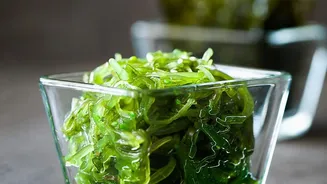
The hero of this story is as unlikely as it is effective: seaweed. This category of marine algae is emerging as a powerful substitute for fossil fuel-based plastics. Unlike land crops, seaweed requires no freshwater, fertilisers, or arable land to grow. It thrives in our oceans, growing up to 30 times faster than terrestrial plants. As it grows, it actively absorbs carbon dioxide from the atmosphere, making it a carbon-negative raw material. Its natural polymer structure can be transformed into versatile materials that are not only biodegradable but also home-compostable, breaking down naturally without leaving toxic residues behind. Some variants are even edible.
Meet the Innovators
Several Indian startups are at the forefront of this green revolution. Pune-based Zerocircle, founded by former Google employee Neha Jain, is a prominent name in this space. The company partners with coastal communities in states like Gujarat and Tamil Nadu to sustainably farm seaweed. This raw material is then processed into a powder and converted into films and coatings for packaging that are marine-degradable. Another key player is Bangalore-based Sea6 Energy, which is leveraging its expertise in automated ocean farming to develop seaweed-based bioplastic films and heat-resistant coatings for food packaging. Startups like EdZero, incubated at IIT Ropar, are even developing edible and antimicrobial films from seaweed biopolymers, envisioning a future where you could potentially eat your wrapper along with your food.
From Lab to Your Lunchbox: The Hurdles
Despite the immense promise, the path from innovative concept to mass-market reality is filled with challenges. The primary obstacle is cost and scalability. Currently, producing algae-based packaging can be more expensive than manufacturing conventional plastic, which has had decades to optimise its production infrastructure. Zerocircle, for example, notes its product is at a premium, though it aims to reduce costs significantly. Ensuring the material's durability for all types of products—from hot curries to heavy electronics—is another technical hurdle. Finally, creating a widespread and efficient collection and composting infrastructure is vital to ensure these bioplastics break down as intended, rather than ending up in landfills where their environmental benefits are diminished.
The Road Ahead for Green Packaging
The momentum is undeniably building. India's ban on certain single-use plastics has created a powerful incentive for companies to seek alternatives. Government initiatives like the Pradhan Mantri Matsya Sampada Yojana, which aim to scale up seaweed production, provide crucial support for the supply chain. As corporations face increasing pressure from environmentally-conscious consumers and investors to adopt sustainable practices (ESG), the demand for green packaging is set to explode. The work of these pioneering startups is not just about creating a new product; it's about building an entire ecosystem—from empowering coastal farming communities to re-educating consumers—that can support a truly circular economy.