

The Golden Rule: Start With Your Guest List
Before you think about dishes, get a firm headcount. A party for 15 is vastly different from one for 50. Ask guests to RSVP by a specific date. When planning, it’s useful to differentiate between adults and children; a common rule is to count two children as one adult in terms
of portion size. For a mixed-age group, this simple adjustment prevents significant over-shopping. A lunch gathering will see less consumption than a dinner party. A 10-15% buffer is a wise addition for unexpected guests or heartier appetites, but a precise guest list is your strongest tool against food waste and last-minute panic.
The Appetizer Equation
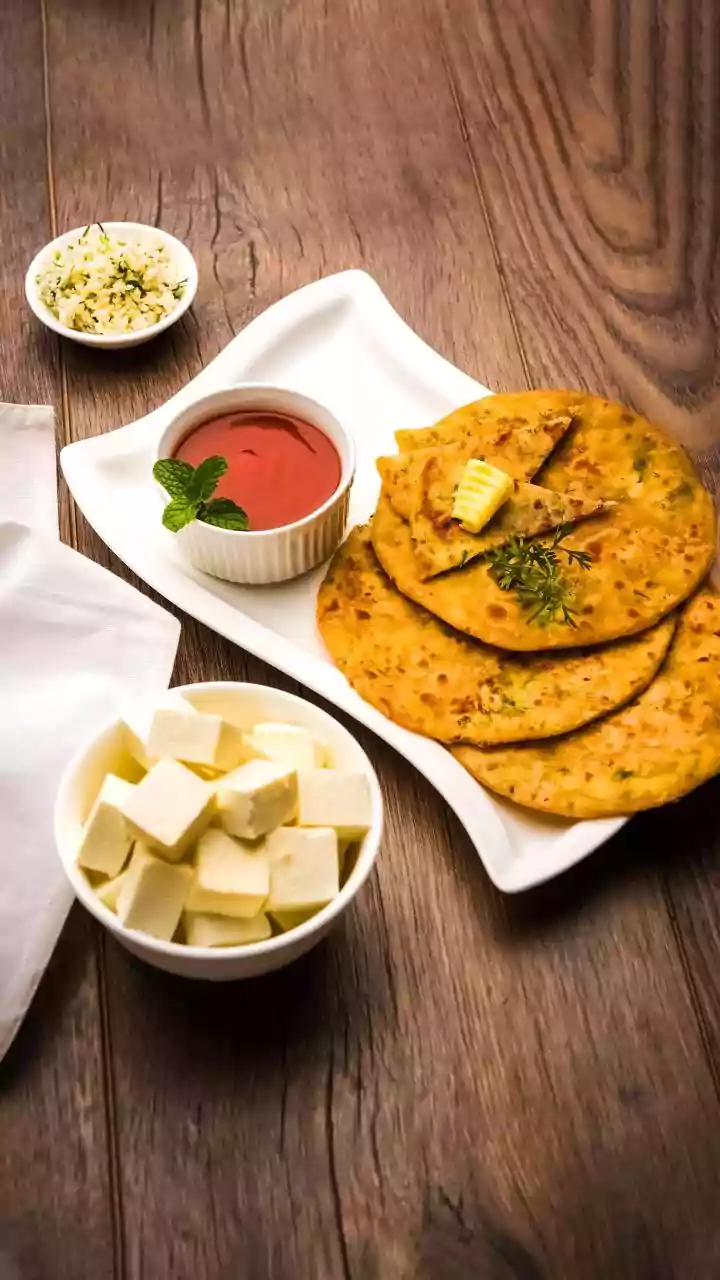
Appetizers are crucial for setting the tone as guests arrive. If you're serving starters before a full meal, a good guideline is to plan for 3-4 pieces per person. This could be a mix of items like samosas, paneer tikka bites, or kebabs. So, for a party of 20 people, you would aim for 60 to 80 starter pieces in total. If your gathering is more of a cocktail-style event where appetizers are the main attraction, you should increase this to about 8-12 pieces per person for a two-hour party. Limiting the variety to three or four well-chosen options is often better than offering too many, as it simplifies both your calculations and preparation.
Mastering The Main Course
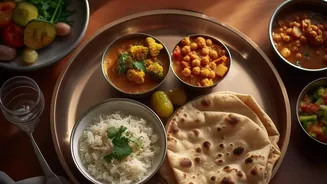
The main course is the heart of the feast. A balanced Indian meal typically includes gravies, breads, rice, and a dry vegetable dish. A standard serving of a gravy-based dish like dal makhani, paneer butter masala, or a chicken curry is about 150-200ml per person, which is roughly the size of one medium katori or small bowl. For uncooked rice, a reliable measure is about half a cup (around 90 grams) per person if it's being served alongside breads like naan or roti. This quantity will roughly triple when cooked. For breads, plan on 1.5 to 2 rotis or naans per guest; they tend to disappear quickly. For accompanying dry sabzis like jeera aloo or bhindi fry, a smaller portion of about 80-120 grams per person is sufficient.
Balancing Variety and Volume
While offering a grand spread is tempting, more dishes mean smaller portions of each are needed. If you have numerous options, guests will take smaller samples of everything. For a gathering of around 20 people, offering two to three main curries—perhaps one paneer, one vegetable or dal, and one non-vegetarian option—is plenty. This provides variety without becoming overwhelming. For larger crowds of 50 or more, you can expand to four or five main dishes. Always aim for balance. A common catering guideline suggests a 60/40 or 50/50 split between non-vegetarian and vegetarian dishes to satisfy all preferences, and it's always a good idea to have at least one vegan option like chana masala.
Don't Forget Sides and Desserts
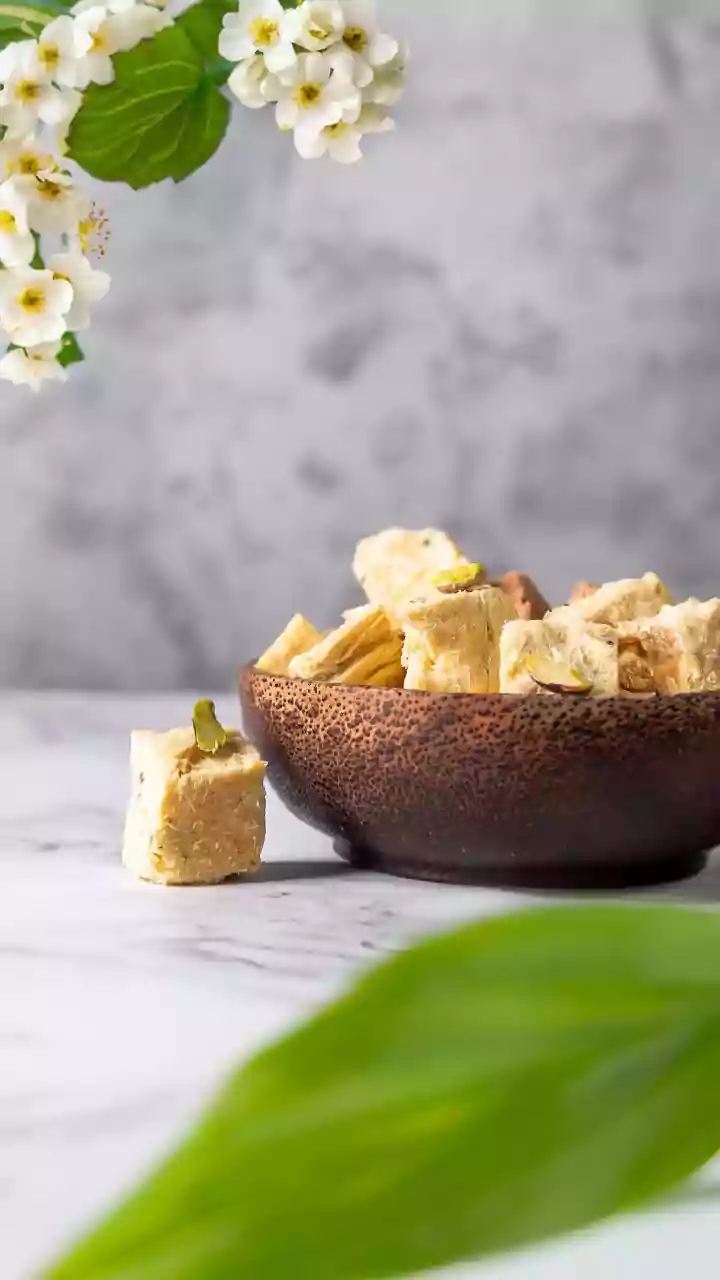
Accompaniments like raita, salad, and pickles complete the meal. For raita, about 1 to 1.5 litres should be sufficient for 10 guests. A large bowl of mixed salad is often enough, as guests typically take small portions. When it comes to dessert, the richness of the sweet determines the portion. For items like gulab jamun or rasgulla, plan for 1-2 pieces per person. If you're serving a heavier dessert like gajar ka halwa or kheer, a serving size of about 80-100 grams per person is a good estimate. Since many guests may be full after the main course, you don’t need to go overboard on the sweet ending.