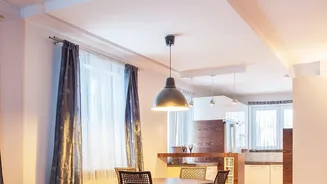







The dream of a spacious apartment is a powerful one. We imagine airy rooms, ample storage, and space to breathe. But while square footage is a key selling point, bigger isn't always better, and it may not be the most practical choice.
The Financial Realities Beyond Rent
A larger apartment
almost always comes with a higher monthly rent, but the financial commitments don't stop there. More space means higher utility bills for heating and cooling. You'll also face the considerable expense of furnishing those extra rooms. An empty spare bedroom or a vast living room can create pressure to buy more furniture, rugs, and decor, adding thousands to your upfront costs. In India, numerous other charges can also scale with property size, including maintenance deposits, which are often calculated on a per-square-foot basis, and potentially higher property taxes or society charges.
The Unseen Burden of Maintenance
More space directly translates to more time spent on cleaning and upkeep. An extra bedroom and bathroom can add hours to your weekly cleaning routine. Beyond dusting and vacuuming, a larger footprint means more windows to wash, more floor space to maintain, and more potential for things to go wrong. When you downsize, you reclaim that time and energy for other pursuits. The responsibilities of maintaining a large space can quickly detract from the very lifestyle you hoped to enjoy in it.
When Space Becomes Wasted Space
A great floor plan is often more valuable than raw square footage. Many large apartments suffer from inefficient layouts, featuring long, unusable hallways or awkward corners that are difficult to furnish, known as 'dead space'. You end up paying for square footage that serves no practical purpose. It's crucial to assess how you will actually use the space. If a second bedroom will simply become a storage room for clutter, or if a formal dining area will go unused, you are essentially paying a premium for empty air.
The Temptation to Accumulate Clutter
The psychological effect of having extra space is that we often feel compelled to fill it. This can lead to unnecessary purchases and the accumulation of clutter. In contrast, living in a smaller, well-organised space encourages a more minimalist and intentional approach to ownership. You become more mindful of what you bring into your home, which can save you money and reduce stress. A smaller apartment forces you to be organised and surround yourself only with things that are useful and valuable.
Location and Lifestyle Sacrifices
Often, there is a tradeoff between apartment size and location. To find a larger, more affordable apartment, you may have to move further away from the city centre, your workplace, or vibrant social hubs. This can lead to a longer, more expensive commute and a lifestyle that is more car‐dependent and less spontaneous. A smaller apartment in a prime, walkable neighbourhood might offer a higher quality of life by placing you closer to amenities, parks, and cultural activities, forcing you to get outside more often.