



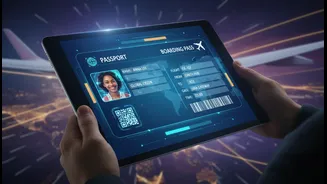



The Rise of Biometrics
Get ready for your close-up. Major travel hubs are rapidly replacing manual passport stamps with biometric checks. The European Union, for instance, has now fully implemented its Entry/Exit System (EES) across the 29 countries of the Schengen Area. For
travellers from India and other non-EU nations, this means your first entry will involve a new process: having your fingerprints and a facial image captured at the border. This data is then stored for three years, which should make future trips faster.However, this initial registration process can add significant time to your arrival. It is not just Europe; the United States, Singapore, and Dubai are also expanding their use of facial recognition and other biometric data to process travellers at entry and exit points. The goal is enhanced security and efficiency, but the immediate reality for travellers is a new, mandatory step at immigration. For those with a biometric passport, self-service kiosks can speed things up, but you should still anticipate a potential delay on your first encounter with these systems.
Digital Forms Are the New Norm
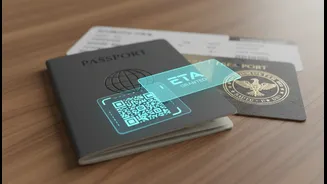
The days of scribbling on a paper landing card handed out by the cabin crew are numbered. A growing list of countries now require travellers to complete mandatory digital arrival forms before they even board their flight. These online forms typically ask for your passport information, flight details, and local address. For Indian travellers, it is crucial to understand these new rules. The United Kingdom, for example, now requires an Electronic Travel Authorisation (ETA) for many nationalities who previously did not need a visa. However, Indian citizens still require a visa, which is now issued as a digital eVisa linked to your passport instead of a physical sticker.It is a global trend. The EU is preparing to launch its ETIAS pre-travel authorisation system for visa-exempt visitors later in 2026. The US has largely digitised its I-94 arrival record and uses the Mobile Passport Control app for eligible travellers. Australia is rolling out a Digital Passenger Card, and countries from Thailand to South Korea and even India itself now have mandatory e-arrival forms. The key is to check the specific requirements for your destination well in advance, as some forms can only be submitted within a tight window, often 72 hours before arrival.
Mastering the Arrival Buffer
The long-standing advice to arrive at the airport three hours before an international flight still holds true, but the modern traveller needs to think about time differently. The concept of an 'arrival buffer' is no longer just about getting to your departure airport early; it's also about building extra time into your schedule after you land. The rollout of new technologies like the EU’s biometric EES can lead to unpredictable queues at immigration, especially during peak travel seasons. That tight train connection you booked an hour after landing might now be a risky bet.Travel experts now advise adding a generous buffer on both ends of your flight. Some busy airports have even recommended arriving up to four hours early during peak periods or when facing staff shortages. When planning your itinerary, assume that clearing immigration could take longer than you are used to. This is especially true for your first trip to a region with a new biometric system. Being prepared for this 'last mile' of your journey, from the plane to the airport exit, is key to starting your trip with peace of mind rather than a frantic dash to your next connection.
Your Updated Travel Checklist
So, what does the smart international checklist look like in 2026? It combines traditional preparation with digital savvy. Before you book, check your destination's entry rules for any pre-travel digital authorisations like the UK's ETA or the upcoming ETIAS for Europe, and understand what applies to you as an Indian citizen. A few days before you fly, look for mandatory digital arrival or customs forms and complete them within the required timeframe. Keep digital and physical copies of all confirmations, including visas, tickets, and hotel bookings. When packing, ensure you have a portable charger and the right power adapters to keep your devices ready. Finally, plan for delays. Build that arrival buffer into your schedule, both at your departure airport and, crucially, upon landing at your destination. By embracing this new layer of digital prep and strategic time management, you can navigate the future of travel with confidence.