




Why Plant-Powered Recovery Works
After a tough workout, your muscles need protein to repair and rebuild. Active individuals often require more protein than sedentary people to aid this process. Plant-based sources like lentils, tofu, and beans are not only effective for muscle repair but
also come packed with additional benefits like fibre, vitamins, and minerals that reduce inflammation and improve overall health. The goal is to consume around 20-25 grams of protein within the post-workout window, which can be up to three hours after exercise, to maximise recovery. Combining different plant proteins ensures you get a complete range of essential amino acids, the building blocks of muscle.
Lentils: The Enduring Energiser
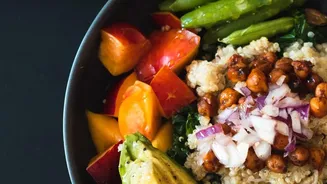
Lentils are a nutritional powerhouse for any athlete. A single cooked cup offers a significant amount of protein and fibre, which helps with satiety and provides long-lasting energy. Research has even shown that consuming lentils before a workout can enhance endurance. As a recovery food, their combination of carbohydrates and protein helps replenish glycogen stores that are depleted during exercise. They are also incredibly versatile; you can simmer them in soups, toss them in salads, or even blend them into smoothies for an easy protein boost.
Tofu: The Versatile Muscle Builder
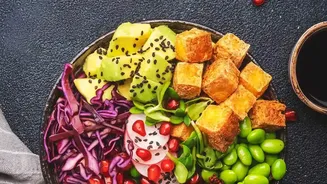
Tofu, made from soybeans, is one of the few plant foods that contains all nine essential amino acids, making it a complete protein. This makes it an excellent choice for muscle repair. Extra-firm tofu is particularly useful for meal prepping as it holds its shape well when baked, pan-seared, or stir-fried. Its neutral flavour allows it to absorb any marinade or seasoning, making it a flexible ingredient that can fit into various cuisines, from Asian-inspired stir-fries to hearty curries. Pressing tofu before cooking helps it get firmer and absorb more flavour.
Edamame: The Nutrient-Dense Pod
Edamame are whole, immature soybeans that are often served in their pods. A half-cup of shelled edamame provides a solid dose of protein along with fibre, folate, and essential minerals. Like tofu, they are a complete protein source, crucial for post-exercise recovery. They add a satisfying texture and vibrant green colour to any meal. You can buy them fresh or frozen, shelled or in the pod. Toss shelled edamame into salads, grain bowls, or stir-fries for an easy and effective way to increase the protein content of your meal.
Pumpkin Seeds: The Micronutrient Finish
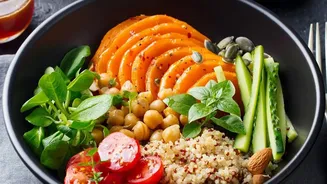
While not a primary protein source in the same way as lentils or tofu, pumpkin seeds are a fantastic addition to any recovery meal. They are rich in important minerals like magnesium and zinc, which play vital roles in muscle function and repair. They also provide healthy fats and an extra protein kick. A sprinkle of roasted pumpkin seeds over a recovery bowl adds a delightful crunch and a final layer of nutritional benefits. Think of them as the perfect finishing touch to round out your meal.
Building Your Ultimate Recovery Bowl
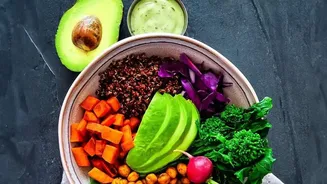
Combining these four ingredients into one meal is simple and highly effective. A great way to do this is by creating a 'build-your-own' recovery bowl. Start with a base of cooked lentils. Add a portion of baked or pan-fried tofu cubes. Sprinkle a generous handful of shelled edamame. Finally, top it all off with a tablespoon of pumpkin seeds for crunch. You can enhance this bowl with roasted vegetables, a bed of quinoa, and a flavourful dressing like a lemon-tahini or a light vinaigrette to tie everything together. This approach allows for variety while ensuring you hit your recovery nutrient targets.
Meal Prep for a Week of Success
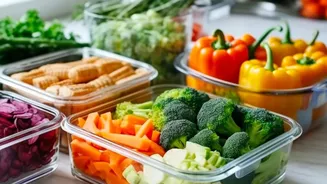
To make your week easier, prepare these components in batches. Cook a large pot of lentils and store them in an airtight container in the fridge. Press and bake a block of tofu, then cube it for easy access. Keep shelled edamame (thawed if frozen) ready to go. You can assemble your bowls the night before or right before eating. One strategy is to prep ingredients separately and combine them in different ways throughout the week to avoid meal fatigue. For example, the same ingredients can be used in a curry one day and a cold salad the next.