





From Cash Box to Command Center
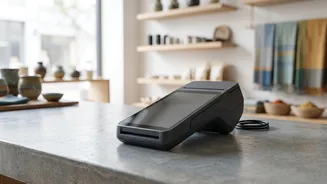
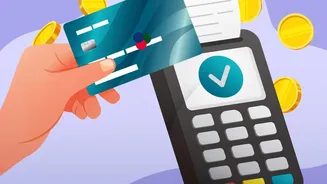
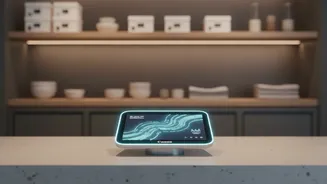
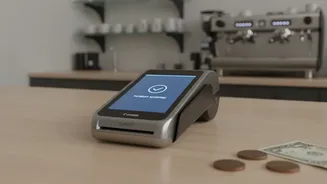
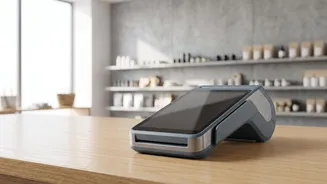
Not long ago, a small shop's point-of-sale (POS) system was a glorified calculator that opened a cash drawer. Today, integrated payment platforms from companies like Square and Shopify have transformed the checkout counter into a business intelligence
hub. These systems do more than just process credit cards; they connect payments directly to a suite of tools that manage everything from inventory to customer relationships. This shift has leveled the playing field, giving Main Street boutiques and neighborhood cafes the kinds of powerful operational tools that were once exclusive to big-box retailers. Instead of just being a way to get paid, the payment system has become the brain of the business.
Your New Automated Inventory Manager
One of the most significant headaches for any shop owner is managing stock. How many blueberry scones are left? Do we need to reorder medium-sized T-shirts? In the past, this meant tedious manual counts. Now, POS systems handle it automatically. Every time a product is sold—whether in-store or online—the inventory count updates in real-time. This prevents overselling and disappointing customers. More advanced systems can even generate automatic alerts when stock is low and create purchase orders to send to suppliers, helping owners avoid both costly overstock and missed sales from stockouts. This turns a reactive, time-consuming task into a streamlined, automated process that saves hours and improves cash flow.
A Built-In Customer Insights Department
Gut feelings are great, but data is better. Digital payment systems are a goldmine of customer data, providing clear answers to crucial business questions. Dashboards can show a coffee shop owner, for example, that their busiest hours are between 8 and 10 a.m. and that their oat milk lattes outsell every other drink three to one. This information, generated automatically from sales transactions, helps owners make smarter decisions about staffing, marketing, and product development. It reveals not just what people are buying, but when they buy it and how often they return, turning every transaction into a valuable piece of business intelligence.
Marketing That Practically Runs Itself
How do you turn a one-time buyer into a regular? Modern payment platforms have built-in tools to help. Many systems include a customer relationship management (CRM) feature that quietly builds a customer directory. With this, a business can see its most loyal patrons and identify those who haven't visited in a while. Some platforms, like Square and Shopify, offer integrated marketing suites that allow owners to send targeted email campaigns or special offers directly from their POS dashboard. They can also run simple digital loyalty programs—think "buy nine coffees, get the tenth free"—without the hassle of paper punch cards, fostering repeat business in a way that feels seamless for both the customer and the owner.
Simplifying the Back Office
Perhaps the most immediate benefit beyond taking money is the radical simplification of administrative work. By integrating payments with accounting and reporting, these systems eliminate hours of manual data entry and reconciliation. Instead of spending nights matching credit card batches to sales reports, all transaction data flows seamlessly into one place. This provides a clear, real-time view of revenue and cash flow, making financial management less of a chore. The reduction in manual work not only saves valuable time but also minimizes the human errors that can lead to accounting headaches down the line.