






A Subdued Farewell to the Rains
The Southwest Monsoon's retreat is a gradual, month-long process that typically begins in the second week of September from the country's northwest. However, the 2026 season is concluding on a worrying note. The India Meteorological Department (IMD) has
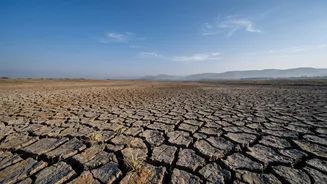
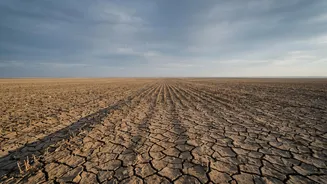
forecast a 'below-normal' rainfall for September, deepening an existing deficit. August 2026 was already the warmest since 1901, with a 16% rainfall deficit. This was largely driven by strong El Niño conditions, which are expected to continue, further suppressing September rains. The cumulative rainfall from June 1 to August 31 was already 14% below normal, a significant shortfall that puts pressure on the country's water resources as we head into the dry season.
Checking the Nation's Water Bank
The monsoon's primary job is to replenish India's vast network of reservoirs, which act as a national water bank for drinking, irrigation, and power generation. This year, the deposits have been lower than desired. As of late August, storage in India's major reservoirs was at about 68% of capacity, a significant 18% lower than the same period last year. The southern and northern regions are particularly stressed, with reservoir levels lagging far behind 2025 figures. In Tamil Nadu, for instance, the release of water from the Mettur Dam for Samba paddy cultivation was delayed by about 80 days due to poor inflows, a direct consequence of the weak monsoon. These lower levels mean there is less buffer available to support the country through the upcoming dry winter and hot summer months, making careful management essential.
The Impact on Winter Crops
The end of the monsoon signals the beginning of the sowing season for Rabi (winter) crops like wheat, mustard, and chickpeas, which are critical for India's food security. Unlike the rain-fed Kharif crops, Rabi cultivation is heavily dependent on irrigation from reservoirs and groundwater. With reservoir levels already low, the pressure on groundwater resources, which are already over-exploited in many parts of the country, will intensify. A poor monsoon often means farmers must rely more on irrigated farming for the Rabi season where water is available. The India Meteorological Department has advised agricultural agencies to prepare contingency plans. This could involve promoting the cultivation of less water-intensive crops like mustard and lentils, and adopting micro-irrigation techniques to maximise water efficiency.
What It Means for Urban Areas
For city dwellers, the monsoon's performance directly translates to water availability at the tap. Lower reservoir levels can force municipal corporations to announce water cuts and rationing to conserve supplies until the next monsoon. The IMD has explicitly warned that below-normal September rainfall can adversely affect drinking water availability. The focus will now shift to responsible water management by both authorities and citizens. Initiatives like the 'Catch the Rain' campaign, which promotes rainwater harvesting and groundwater recharge, become even more critical in bridging the supply gap created by a deficient monsoon. While some late rainfall is possible in parts of east and northeast India, most of the country will see a drier-than-usual September, reinforcing the need for conservation in urban centers.