





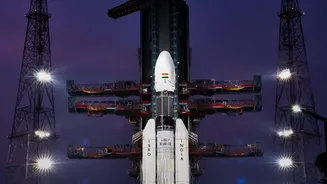
The Final Frontier for Startups
For decades, the Indian space programme was the exclusive domain of the state-run Indian Space Research Organisation (ISRO). However, recent reforms have unlocked the sector for private enterprise, leading to a boom with over 400 startups now active in the ecosystem.
These firms, including names like Skyroot Aerospace and Pixxel, have demonstrated impressive technological prowess, from developing private launch vehicles to building satellite constellations. But space is a capital-intensive game. The journey from prototype to commercial viability involves long development cycles, extensive testing, and significant hardware investment. Many Indian entrepreneurs find that while early-stage funding is available, securing larger, late-stage capital domestically remains a major hurdle, creating a significant bottleneck for scaling their operations.
A Policy Shift to Open the Gates
Recognising this funding gap, the Indian government has significantly liberalised its Foreign Direct Investment (FDI) policy for the space sector. This pivotal shift, aligning with the Indian Space Policy 2023, is designed to attract global capital and integrate Indian startups into the global supply chain. The amended policy creates a tiered system for foreign investment. It now permits up to 100% FDI through the automatic route for manufacturing components and subsystems for satellites and ground segments. For more sensitive areas, it allows up to 74% FDI via the automatic route for satellite manufacturing and operations, and up to 49% for launch vehicles and the creation of spaceports, with government approval required beyond these thresholds. This move fundamentally changes the landscape, lowering entry barriers for foreign investors and providing Indian firms with unprecedented access to capital.
More Than Just Money
The benefits of increased FDI extend far beyond just filling financial coffers. Foreign investment is a powerful conduit for technology transfer, bringing in advanced know-how, cutting-edge R&D capabilities, and sophisticated management practices that can streamline local industrial processes. This is crucial for bridging technological gaps and helping Indian firms achieve self-sufficiency in critical areas where the country might still rely on imports, such as space-grade materials or advanced sensors. Collaboration with global aerospace leaders can provide Indian companies with access to new markets and embed them within international supply chains. This infusion of global expertise and best practices is essential for enhancing productivity and elevating the entire ecosystem to global standards.
Fueling Manufacturing and Ambition
A key objective of the liberalised FDI policy is to bolster India's 'Make in India' initiative by transforming the country into a global manufacturing hub for space technology. With greater access to capital, Indian firms can invest in building world-class, large-scale manufacturing and testing facilities, which are currently a significant constraint. This is essential for producing satellite constellations at scale, developing next-generation launch vehicles, and meeting the growing global demand for space-related hardware at a competitive cost. By combining foreign capital with India's cost-effective and highly skilled engineering talent pool, the nation is positioned to become a hyper-competitive player in the global space market. This will not only create high-skilled jobs but also help India capture a larger share of the global space economy, which is projected to grow substantially.