




The Science of Green Serenity
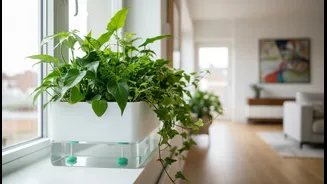
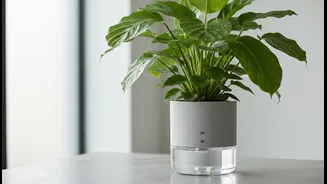
The idea that humans have an innate connection to nature, known as the biophilia hypothesis, helps explain why a bit of greenery can have such a positive impact. Studies have shown that interacting with indoor plants can lower levels of the stress hormone
cortisol, reduce anxiety, and improve concentration. The simple, mindful act of watering, pruning, or just checking on your plants can be a meditative practice. This routine provides a gentle sense of purpose and a tangible sense of accomplishment as you watch something you are nurturing thrive. For many, this daily interaction offers a quiet, restorative break from the digital-heavy, fast-paced nature of modern life.
From Pot to Plate: A Flavour Revolution
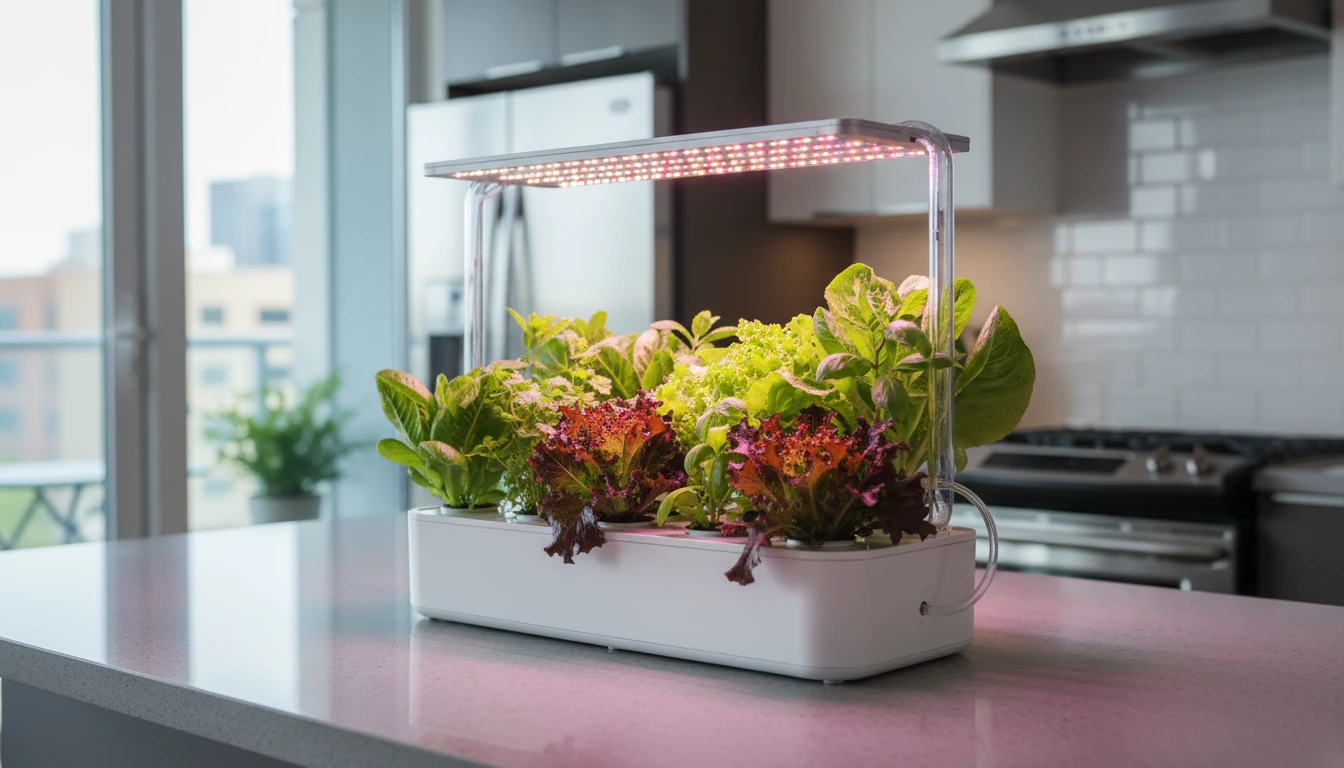
The most immediate and delicious benefit of a kitchen garden is the incredible flavour it brings to your food. Freshly harvested herbs have a vibrancy and aroma that their dried, store-bought counterparts simply cannot match. A sprinkle of fresh coriander (dhania) can transform a simple dal, while a few leaves of mint (pudina) can bring a new level of freshness to raita or a summer drink. Having these flavours on hand encourages culinary creativity and makes everyday meals feel more special. It connects you more deeply to what you eat, turning the simple act of garnishing into a final, satisfying step of a process that started on your own windowsill.
Setting Up Your Green Corner
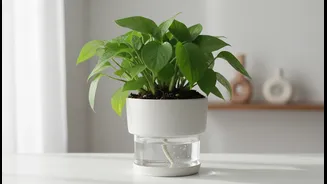
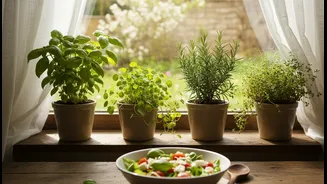
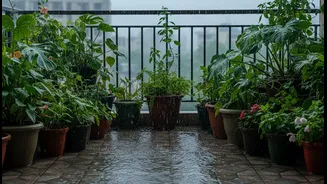
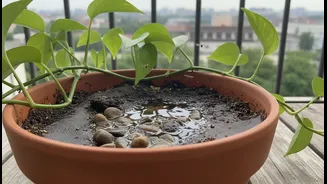
Creating your own herb garden doesn't require a large space or a green thumb. Even a small apartment balcony or a single sunny windowsill can be enough. The first step is location. Most herbs need about four to six hours of sunlight a day, making a south or west-facing window ideal. Next, choose your containers. Simple terracotta or plastic pots with drainage holes at the bottom are perfect. Using a quality potting mix, rather than garden soil, is crucial as it provides better drainage and aeration for the roots. Adding a layer of small rocks or gravel at the bottom of the pot can also help prevent waterlogging.
Top Herb Picks for an Indian Kitchen
When starting out, choose herbs that you frequently use and that are known to grow well in our climate. Here are a few easy-to-grow, high-reward options: Mint (Pudina): This vigorous grower is perfect for chutneys, drinks, and raitas. It needs regular watering to keep the soil moist and is best grown in its own pot as it can spread quickly. Coriander (Dhania): An absolute staple, coriander grows quickly from seed and is used in everything from garnishes to masalas. It prefers cooler weather but can be grown indoors year-round. Holy Basil (Tulsi): A hardy and sacred plant in many Indian homes, Tulsi is easy to care for and its leaves are great for herbal teas. It thrives in sunny spots. Curry Leaves (Kadi Patta): While it grows into a small tree, a young plant can be maintained in a large pot for years, providing fresh leaves for tadkas. Lemongrass: With its distinct citrusy aroma, lemongrass is wonderful in teas and soups. It loves sun and water, and regular trimming encourages more growth.
Nurturing Your Garden
Caring for your herb corner is a simple and rewarding routine. Check the soil every day or two; a good rule of thumb is to water when the top inch of soil feels dry to the touch. Be careful not to overwater, as this is a common mistake and can lead to root rot. Harvesting is not just for eating—it also encourages the plant to grow bushier and more productive. Aim to regularly snip off leaves, but never take more than a third of the plant at one time. Pinching off any flower buds that appear will also help the plant focus its energy on producing flavourful leaves. A little attention goes a long way in keeping your green corner lush and vibrant.