


What Exactly Is Sourdough Discard?
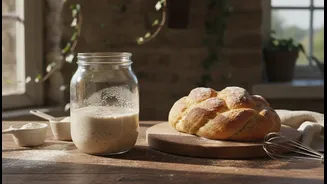
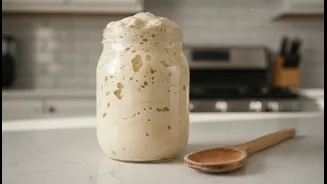
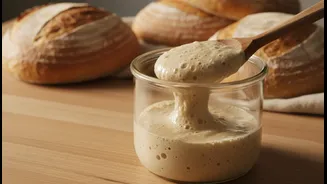
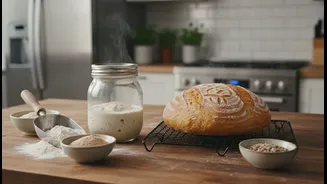
Anyone who maintains a sourdough starter—that living culture of flour and water that gives sourdough bread its signature tang and rise—is familiar with the process of 'feeding' it. To keep the starter healthy and active, you must regularly remove a portion
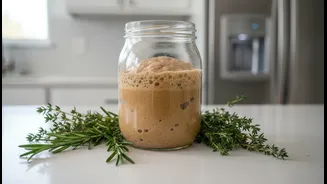
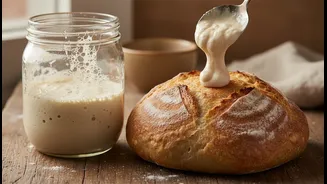
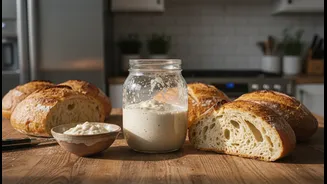
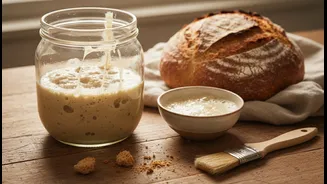
before adding fresh flour and water. This removed portion is the 'discard.' While its name suggests it's meant to be thrown away, it is perfectly good to use. Although it no longer has the leavening power to make a loaf of bread rise on its own, it's packed with flavour and can be a fantastic ingredient in other recipes. Think of it not as waste, but as a pre-fermented flavour booster waiting for a new purpose.
An Eco-Friendly and Affordable Choice
For millennial home cooks who are increasingly conscious of their environmental impact and household budgets, using sourdough discard is a win-win. At its core, this trend is about reducing food waste. Instead of tossing out a mixture of perfectly good flour and water, you're repurposing it. This aligns with a zero-waste mindset and a long-held Indian tradition of using every part of an ingredient. The affordability factor is just as compelling. You’ve already invested in the flour to create and feed your starter; using the discard means you get more value out of your initial purchase. It's an ingredient you've created for free, which can be used to make crackers, pancakes, and more, saving you money on store-bought alternatives.
Beyond Bread: Creative Kitchen Uses
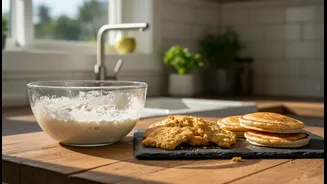
The true magic of sourdough discard lies in its versatility. Its tangy flavour, similar to buttermilk or yogurt, adds a delicious complexity to a wide range of dishes. The most popular use is for pancakes and waffles, where the discard creates a wonderfully fluffy and tender texture. But the possibilities don't end there. Savoury crackers, pizza bases, and tortillas are all simple to make with discard. You can also incorporate it into muffins, cookies, brownies, and even pie crusts to add a subtle depth of flavour. For those looking to experiment with Indian cuisine, sourdough discard can be used in recipes for naan, kulcha, or even a savoury dosa-like crepe, adding a unique fermented tang to traditional favourites.
Getting Started: How to Store and Use It
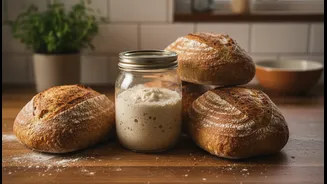
Using your discard is simple. If you're not going to use it immediately, you can collect it in a jar in the refrigerator. It will keep for about a week, and some bakers even freeze it for longer-term storage. When you're ready to bake, you can often substitute discard for some of the flour and liquid in a recipe. A general rule is to think of your discard as equal parts flour and water by weight. So, if you add 100 grams of discard, you would reduce the flour and water in your recipe by 50 grams each. Because discard has lost most of its rising power, recipes using it will typically rely on other leaveners like baking powder or baking soda to provide lift.