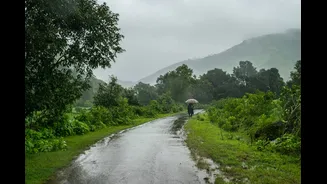





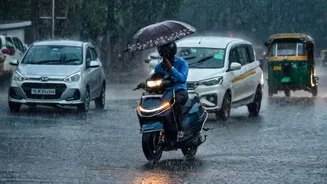

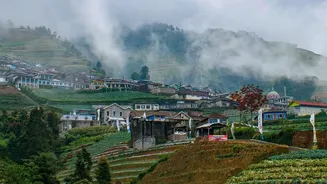
A Monsoon of Two Halves
The India Meteorological Department (IMD) has noted that while the monsoon season for 2026 is ending with a cumulative rainfall deficit, the story is not one of uniform dryness. The season was heavily influenced by a strengthening El Niño, leading to India being
on course for its driest monsoon in over a decade. However, the impact has been far from uniform across the subcontinent. While Northwest and Northeast India have faced significant rainfall shortages, some areas in central India received better rainfall, and a potential late-season cyclone could bring more rain to the east. This geographical disparity, with some regions parched and others relatively well-watered, is the crucial starting point for understanding the diverse winter ahead.
The Science of the Winter Connection
The link between monsoon rains and winter weather is grounded in fundamental meteorological principles. One of the most critical factors is soil moisture. Abundant monsoon rainfall saturates the ground. As winter approaches and temperatures drop, this moisture evaporates, significantly increasing the humidity of the air near the surface. This high moisture content is a key ingredient for the formation of dense fog, particularly across the vast Indo-Gangetic plains. Conversely, a dry monsoon leaves the soil with less moisture, which can lead to less intense and frequent fog. Another factor is snow cover in the Himalayas. A strong, moisture-laden monsoon often results in heavier snowfall in the high-altitude regions, creating a larger bank of cold air that influences the severity of winter cold waves in the northern plains.
A Colder, Foggier North?
For North India, the combination of a developing El Niño and localised monsoon performance creates a complex picture. While the overall monsoon was weak, areas that did receive late-season rain will contribute moisture to the atmosphere. This moisture, combined with the calm, cool conditions of winter nights, is a perfect recipe for radiation fog. For residents of Punjab, Haryana, Delhi, and Uttar Pradesh, this could mean a return of dense fog, leading to disruptions in transport and heightened air pollution as pollutants get trapped in the stable, moist air. The severity of cold waves, however, may be influenced by the El Niño pattern, which some climate scientists suggest could lead to a warmer winter overall, even if short, sharp cold spells occur.
A Milder Outlook for the South
The winter experience in peninsular and central India is expected to be markedly different. The influence of El Niño often leads to warmer winter temperatures in these regions. While the monsoon was deficient in some southern areas, regions that received excess rainfall will see a major benefit: replenished reservoirs. For cities like Bengaluru and Chennai, and for the vast agricultural belts of the south, this ensures better water security heading into the dry season. The winter itself is typically mild in the south, and the prevailing global weather patterns suggest this trend will continue. The primary concern here is less about cold and fog, and more about managing the water resources that the erratic monsoon has provided.
Impact on Agriculture and Water
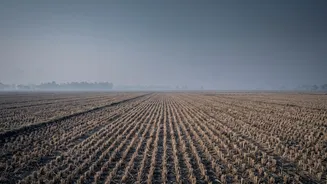
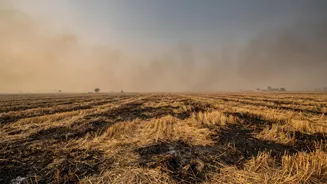
Beyond temperature and fog, the monsoon's performance has direct consequences for India's economy and food security. The deficit rainfall in the north will likely stress water resources for the upcoming Rabi (winter) crop season, potentially forcing farmers to rely more heavily on irrigation from groundwater and canals. This adds pressure to already strained water tables. In contrast, areas with sufficient rainfall will have the soil moisture necessary for sowing crops like wheat and mustard. The uneven monsoon has therefore created a challenging environment for policymakers and farmers, who must now navigate a winter shaped by these regional imbalances in water availability. The tale of the 2026 monsoon will continue to be told through its impact on fields and taps throughout the coming winter months.