



The Case Against White Rice
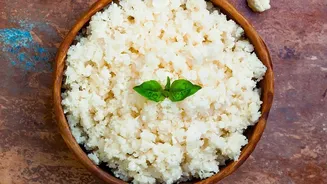
White rice is a staple, but its journey to your plate involves a refining process that strips it of its most valuable components. The bran and germ, which contain the majority of the grain's fiber, vitamins, and minerals, are polished away, leaving behind
the starchy endosperm. This results in a grain that cooks quickly and has a mild taste but offers little in terms of nutrition. The high glycemic index of white rice can cause sharp spikes in blood sugar, and its low fiber content does little to keep you feeling full, often leading to overeating. While it can be part of a balanced diet, relying on it as a primary grain means missing out on significant health benefits.
Meet the Millet Contenders: Foxtail & Sorghum
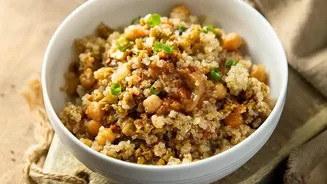
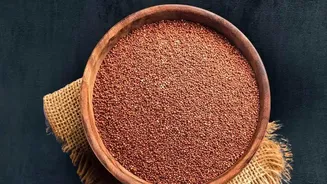
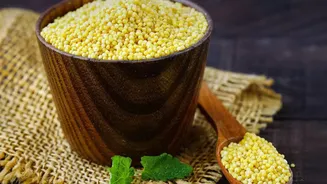
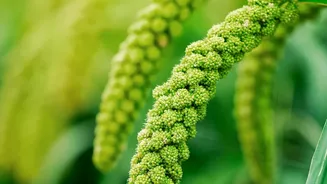
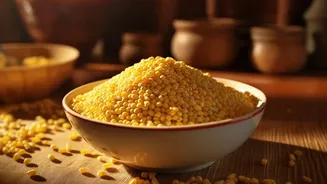
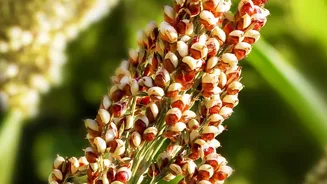
Two of the most accessible and versatile millets to begin with are foxtail millet (known as Thinai or Kangni) and sorghum (Jowar). Foxtail millet, one of the oldest cultivated grains, is a small, rice-like grain with a mild, nutty flavour. It's naturally gluten-free and packed with nutrients. Sorghum, or Jowar, is a slightly larger, chewier grain that can be used as a substitute for rice or couscous. It's celebrated for its high levels of antioxidants and its ability to improve digestion. Both grains are making a powerful comeback as people rediscover their incredible nutritional profiles and adaptability in the kitchen.
The Nutritional Showdown: Millets vs. Rice
When you place millets and white rice side-by-side, the nutritional difference is stark. The most significant advantage lies in fiber content; foxtail millet contains around 6.7g of fiber per 100g, while sorghum is also a rich source. White rice, in contrast, has only about 0.4g. This massive fiber gap impacts everything from digestive health to blood sugar control. Foxtail millet also boasts nearly double the protein of white rice and is a richer source of essential minerals like iron and magnesium. Sorghum is a powerhouse of antioxidants and is noted for its potential to help regulate cholesterol. Due to their low glycemic index, both millets release energy slowly, preventing the sugar crashes associated with refined grains and keeping you fuller for longer.
Cooking Guide: Perfect Foxtail Millet
Cooking foxtail millet is as simple as cooking rice. The key is the water ratio and a brief soaking period. Start by rinsing one cup of foxtail millet thoroughly. Soaking it for at least an hour (or up to six hours) helps soften the grain and makes it easier to digest, though a 20-minute soak works in a pinch. After soaking, drain the water. In a pot, bring 2 to 2.5 cups of fresh water to a boil. Add the soaked millet and a pinch of salt. Once it boils, reduce the heat to low, cover the pot, and let it simmer for 15-20 minutes, or until all the water is absorbed. Let it rest, covered, for another 5-10 minutes off the heat. This step is crucial for allowing the grains to fluff up perfectly. Use a fork to gently separate the grains before serving.
Cooking Guide: Mastering Sorghum (Jowar)
Sorghum has a chewier texture and requires a longer soaking and cooking time. Begin by rinsing one cup of whole grain sorghum and soaking it overnight, or for at least 8-10 hours. This is an essential step to ensure it cooks evenly and becomes tender. After soaking, drain the water. In a pressure cooker, combine the soaked sorghum with 2.5 to 3 cups of fresh water and cook for 4-5 whistles on a medium flame. If using a stovetop pot, use a 1:3 ratio of sorghum to water, bring it to a boil, then cover and simmer for 50-60 minutes until tender. Once cooked, you can use it just as you would rice.
Easy Swaps: Adding Millets to Your Meals
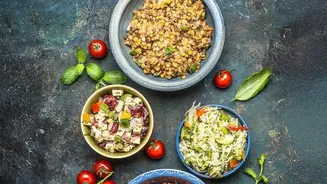
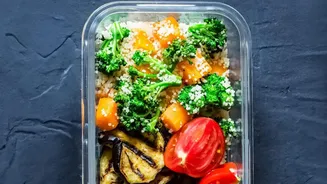
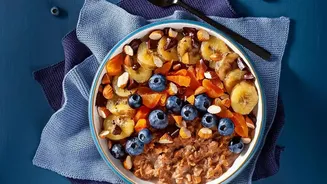
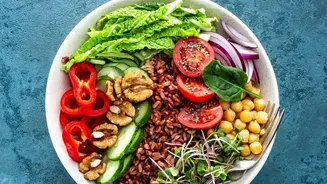
Incorporating these millets into your diet doesn't require a complete overhaul of your favorite recipes. Start by replacing white rice with cooked foxtail millet in dishes like lemon rice, pulao, or pongal. Its texture is a natural fit for these preparations. You can make a simple millet sambar rice by cooking it with dal and vegetables. Cooked sorghum is excellent in salads, as a base for hearty bowls, or served alongside curries and stews. You can even create a simple upma with foxtail millet or a pulao with sorghum for a nutritious and filling breakfast or lunch. The mild flavour of these millets ensures they absorb the spices and aromas of your cooking beautifully.