







1. Prioritise the Power of Scent
Modern gardens often focus on visual appeal, but a nostalgic Indian garden leads with scent. It’s the heady fragrance of mogra (jasmine) unfurling at dusk, the intoxicating sweetness of raat ki rani (night-blooming jasmine), or the subtle, temple-like
aroma of champa (frangipani). These scents are memory triggers, capable of transporting you to a childhood summer evening with a single breeze. Start with one or two of these fragrant climbers or shrubs. Place them near a seating area or by a window where their perfume can drift indoors. They don't just decorate a space; they inhabit it with an invisible, soul-soothing presence.
2. Embrace the Colours of Tradition
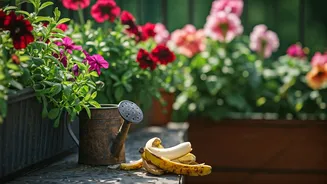
Forget minimalist palettes. The nostalgic garden is a riot of warm, familiar colours. Think of the blazing orange and yellow of genda (marigolds), a flower woven into the fabric of every Indian festival. Picture the vibrant reds and pinks of hibiscus, a simple offering and a beautiful bloom. And of course, the irrepressible bougainvillea, spilling over walls in shades of fuchsia, white, and orange. These aren't just colours; they are symbols of celebration, devotion, and life itself. Grouping them together creates a cheerful, unpretentious display that feels generous and alive, a stark contrast to the carefully curated, often sparse, modern aesthetic.
3. Make It Useful (and Sacred)
A traditional Indian garden was never purely ornamental. It was a living pantry and a pharmacy. A corner of your terrace should be dedicated to this principle. A Tulsi (holy basil) plant is non-negotiable, not just for its sacred value but for its peppery addition to chai. A pot of curry leaves (kadhi patta) means fresh flavour is always at hand. Add some mint (pudina) and coriander (dhania) in a window box. These useful plants connect your terrace to your kitchen and your daily rituals. Tending to them is a grounding activity, a small act of self-sufficiency that pays delicious dividends.
4. Choose Materials with a Past
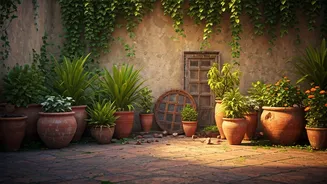
The mood of a garden is as much about the containers as the plants. Ditch the plastic. This aesthetic is built on the humble beauty of terracotta. Earthenware pots, or gamlas, of varying sizes and shapes, add a rustic, uniform warmth. They breathe, which is better for the plants, and they age beautifully, gathering a patina over time. Supplement these with other materials that tell a story. Repurpose old brass containers, painted tin biscuit boxes, or even an old aluminium kettle as a quirky planter. The charm lies in the imperfection and the sense of history these objects bring.
5. Create a Space for Lingering
Finally, this garden isn’t a museum piece to be admired from afar. It’s a space to be lived in. Forget expensive outdoor furniture sets. The nostalgic mood calls for simpler comforts. A low wooden stool, a woven charpai or mooda, or a simple planter's chair invites you to sit down with a cup of tea. Add a cushion or two made from handloom cotton. The goal is to create a nook that encourages you to pause, to read a book, to listen to the birds, or simply to do nothing at all. This is what transforms a collection of pots on a terrace into a true garden retreat.