




A Weaker Monsoon's Domino Effect
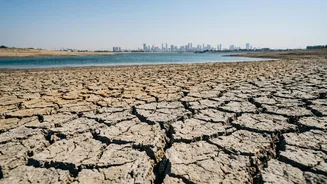
The southwest monsoon, which delivers over 70% of India's annual rainfall, has underperformed in 2026. As of late September, cumulative rainfall was about 12% below normal, marking it as potentially the driest monsoon in over a decade. This deficit has a direct
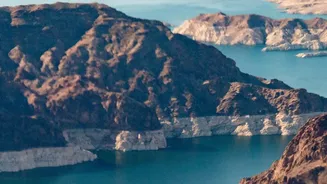
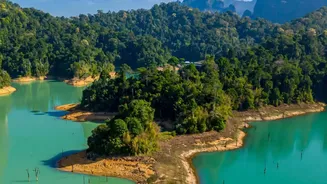
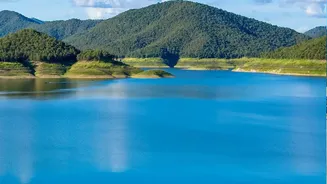
impact on the country's 178 major reservoirs, which are crucial for irrigation, drinking water, and power generation. According to the Central Water Commission, as the monsoon withdraws, these reservoirs are at just 70% of their total capacity, which is lower than last year's 79% and below the decade-long average of 76.62%. This situation is particularly acute in southern India, where reservoirs are only at 50% capacity, a steep drop from 87.25% the previous year. States like Karnataka and Maharashtra have already declared drought conditions.
The Urban Problem: Beyond Seasonal Shortage
While a weak monsoon triggers immediate concern, India's urban water crisis is a chronic issue rooted in governance and infrastructure, not just weather patterns. Cities are expanding rapidly, but the infrastructure to support them is often outdated or insufficient. An estimated 416 million more people are expected to live in India's cities by 2050, placing immense strain on already overstretched water systems. Many cities lose a significant amount of treated water through leaky pipelines and inefficient distribution networks before it even reaches consumers. Furthermore, the over-extraction of groundwater has become a critical problem, leading to depleted aquifers and, in some cases, land subsidence in cities like Delhi. This reliance on groundwater often intensifies when surface water sources run low, creating a vicious cycle.
Rethinking City Blueprints
The current shortfall is forcing a necessary pivot in urban planning, moving from simply sourcing new water to managing existing resources more intelligently. Experts argue that cities can no longer afford the 'build, neglect, rebuild' cycle. The focus is shifting toward creating 'water-secure' cities through a multi-pronged approach. Key government initiatives like the Atal Mission for Rejuvenation and Urban Transformation (AMRUT 2.0) and the Jal Jeevan Mission aim to address these challenges by promoting universal water supply and a circular water economy. This includes reducing non-revenue water (water lost to leaks), improving wastewater treatment, and reusing treated water for non-potable purposes like industry and irrigation.
Solutions Within the Cityscape
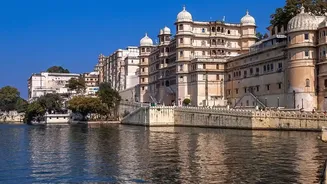
Forward-thinking urban planning incorporates strategies to make cities act more like sponges. This involves restoring and protecting urban water bodies like lakes and wetlands, which serve as natural buffers and help recharge groundwater. Mandating rainwater harvesting systems for new buildings, a policy that has shown localized success in areas like Dwarka in Delhi, is another critical tool. Improving the efficiency of sewage treatment plants is also paramount. Much of the wastewater currently discharged into channels contaminates groundwater, but if properly treated, it could become a reliable resource to augment supplies. By integrating these strategies—managing demand, fixing leaks, harvesting rain, and recycling water—cities can build resilience against the unpredictability of future monsoons and support their growing populations sustainably.