






Your Body’s Master Clock
Deep within your brain, in a part of the hypothalamus, lies a tiny cluster of about 20,000 nerve cells called the suprachiasmatic nucleus (SCN). Think of the SCN as your body's master clock. It orchestrates countless bodily functions over a roughly 24-hour
cycle, known as your circadian rhythm. This internal timing system doesn't just tell you when to feel sleepy or awake; it also regulates hormones, body temperature, digestion, and even your mood. While this clock is endogenous, meaning it runs on its own, it isn't perfect. It needs a daily signal from the outside world to stay synchronized with the 24-hour day. That primary signal, or 'zeitgeber' (German for 'time giver'), is light.
The Power of Morning Sunlight
Morning light is the most powerful tool for anchoring your circadian rhythm. When bright, natural light enters your eyes—ideally within the first 30 to 60 minutes after waking—it sends a direct signal to your master clock. This light, which is rich in the blue spectrum, is detected by special cells in your retina called intrinsically photosensitive retinal ganglion cells (ipRGCs). These cells don't help you see images, but instead, they communicate directly with the SCN. This morning light cue does two crucial things: it suppresses the production of melatonin (the hormone that makes you feel sleepy) and triggers a healthy release of cortisol, the hormone that promotes alertness and energy. This sets a clear starting point for your day, which in turn helps regulate the timing of your sleepiness later that evening. Just 10 to 30 minutes of outdoor light is often enough to send this powerful 'wake up' message.
Why Darkness Is Your Friend at Night
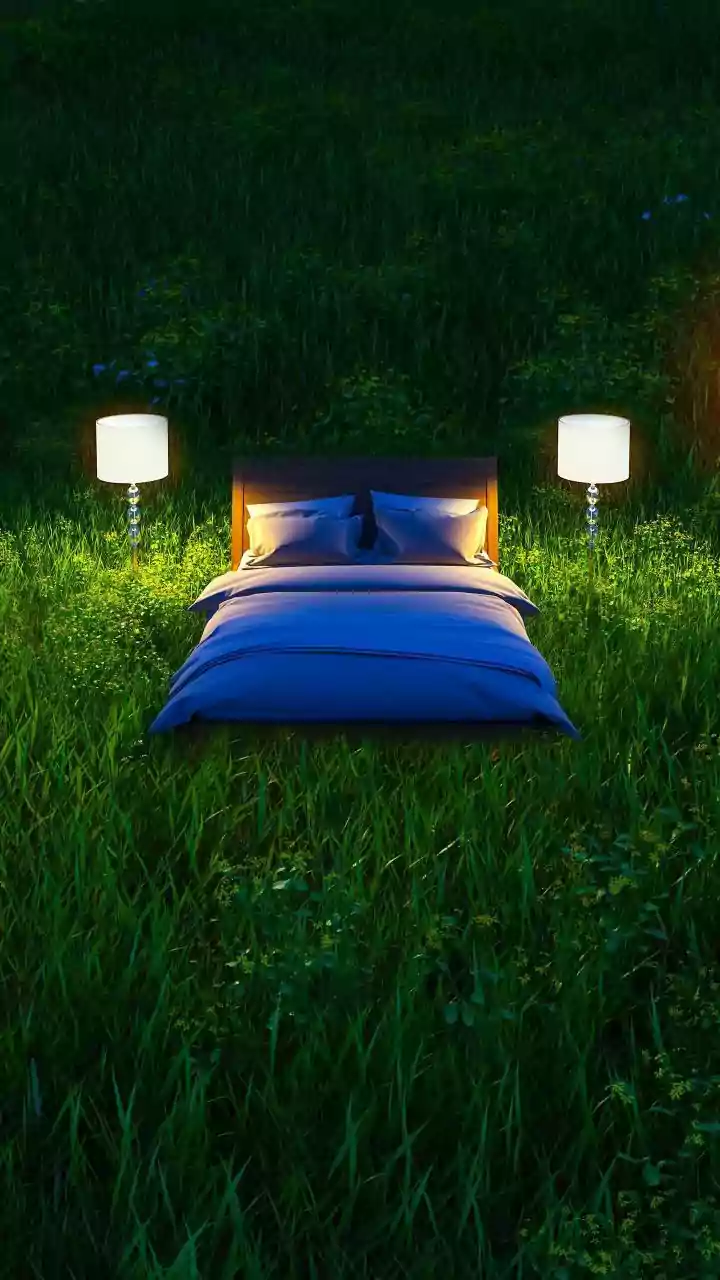
Just as bright morning light signals 'daytime,' the absence of light signals 'night-time.' As darkness falls, your SCN instructs the pineal gland to begin producing melatonin. This hormone doesn't knock you out like a sleeping pill, but rather acts as a timing signal that tells your body it's time to wind down and prepare for sleep. This is where modern life often gets in the way. Exposure to artificial light in the evening—from overhead lights, televisions, and especially handheld devices like phones and tablets—can trick your brain into thinking it's still daytime. This delays or suppresses melatonin release, making it harder to fall asleep and shifting your entire circadian rhythm later. Even small amounts of light from a streetlamp peeking through curtains or an electronic device's LED can be disruptive. Creating a truly dark environment is a key step in allowing your body's natural sleep processes to unfold without interference.
Beyond Better Sleep
A well-regulated circadian rhythm is about more than just feeling rested. When your internal clock is consistently aligned, it has wide-ranging benefits for your overall health. Conversely, chronic disruption—whether from shift work, irregular schedules, or poor light habits—is linked to a host of health problems. Research shows that a misaligned circadian system can impair metabolic health, increasing the risk for obesity and type 2 diabetes. It's also tied to cardiovascular issues, immune dysfunction, and mental health challenges, including a higher risk for depression and anxiety. By managing your light exposure, you are supporting one of the most fundamental systems that keeps your body functioning optimally.
Simple Steps for a Healthy Rhythm
Harnessing the power of light doesn't require a complex overhaul of your life. Start with these simple, science-backed habits: 1. Seek Morning Sun: Aim for 10-30 minutes of direct, natural sunlight within an hour of waking. Don't look directly at the sun. If you can't get outside, sitting by a bright window is the next best thing, though glass does filter some of the beneficial light. 2. Dim the Lights: In the two to three hours before bed, start dimming the lights in your home. Use warm, low-wattage bulbs in lamps instead of bright, overhead cool-toned lights. 3. Create a 'Cave': Make your bedroom as dark as possible. Use blackout curtains or an eye mask to block out all sources of light. Cover or remove any electronics with glowing indicator lights. 4. Limit Evening Screens: Avoid phones, tablets, and computers in the hour before bed. The blue light they emit is particularly effective at suppressing melatonin. Consistency is the most important factor. Making these practices a regular part of your daily routine will do more for your sleep-wake cycle than any occasional effort.