


The Post-Monsoon Magic
September is a magical time to visit Wayanad. The heavy rains have subsided, leaving behind a landscape that is intensely green and alive. Waterfalls that were mere trickles in summer are now roaring spectacles, and the air is crisp and clean. The entire
district, from its sprawling tea plantations to its dense forests, feels refreshed and rejuvenated. For travellers, this means stunning vistas, fewer crowds, and often lower prices for accommodation compared to the peak winter season. The weather is generally pleasant, with breezy days and cool nights, ideal for exploring the outdoors.
Your Weekend Journey from Kochi
Getting to Wayanad from Kochi is a straightforward road trip. The journey covers a distance of approximately 240-280 kilometres and typically takes between six to eight hours by car or bus, depending on traffic and the chosen route. Driving your own car offers the most flexibility, allowing for scenic stops along the Thamarassery Ghat pass. Alternatively, numerous KSRTC and private buses ply the route daily, offering an affordable and convenient option. Buses usually travel to Kalpetta, the district headquarters, from where you can easily hire local taxis or auto-rickshaws to reach your homestay.
Budget-Friendly Havens: Finding a Homestay
Wayanad is renowned for its homestays, which offer an authentic taste of Keralan hospitality and delicious home-cooked meals. For budget travellers, areas like Kalpetta and Sulthan Bathery offer numerous affordable options, with prices often ranging from ₹1,500 to ₹3,000 per night. These stays provide a comfortable and clean base for your explorations, often situated within coffee or spice plantations. Booking a homestay not only supports the local economy but also gives you access to invaluable insider tips from your hosts on the best places to visit and eat.
The Thrill of River Rafting
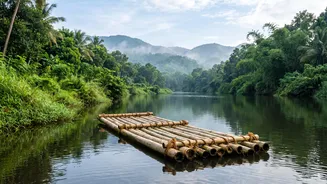
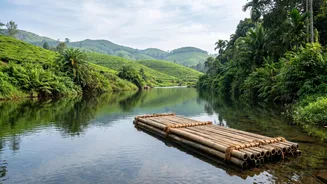
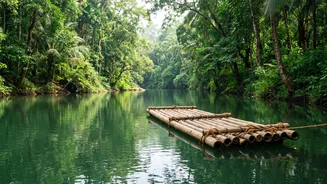
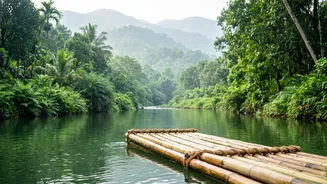
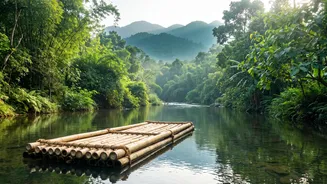
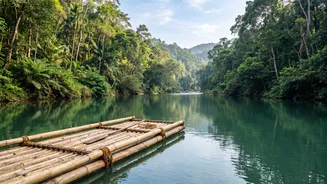
While the headline mentions rafting, it's important to note that traditional white-water rafting is often paused during the heavy monsoon months for safety. However, as the rains ease in September, some operators may resume activities on rivers like the Mananthavady or offer calmer bamboo rafting experiences on the tributaries of the Kabini River, particularly around Kuruva Island. These sessions provide a serene way to glide through the lush forests, enjoying the sounds of nature. It is crucial to check with local operators beforehand about the current status and safety conditions before making any plans. Life jackets are always provided, ensuring a safe experience.
More Post-Monsoon Marvels to Explore
Beyond rafting, Wayanad's post-monsoon beauty is on full display at its many natural attractions. Soochipara Falls and Meenmutty Falls are at their most powerful and dramatic during this season, creating a thunderous spectacle. The Banasura Sagar Dam, the largest earthen dam in India, is another must-visit, with its reservoir full and surrounded by mist-covered hills. For a dose of history and a stunning view, a trek up to the Edakkal Caves is highly rewarding; the climb can be slippery, so good footwear is essential. Pookode Lake, with its serene waters and boating facilities, is perfect for a relaxed family outing.
A Sample Weekend Itinerary
To make the most of your trip, consider this simple plan. Saturday: Start early from Kochi to reach Wayanad by early afternoon. Check into your homestay in or around Kalpetta. After lunch, head to Pookode Lake for some boating and then visit the Lakkidi View Point for sunset. Sunday: Dedicate the morning to adventure. Check for rafting availability or head to Soochipara Falls for a refreshing trek. In the afternoon, visit the Banasura Sagar Dam before starting your drive back to Kochi in the late afternoon, filled with memories of a green paradise.