



Why This 15-Minute Task Is Crucial
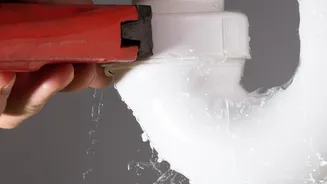
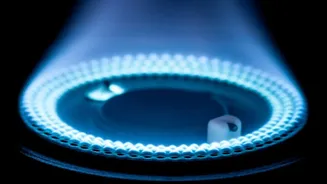
Imagine a pipe bursting in your wall or a laundry hose failing while you're away. Water can cause thousands of dollars in damage to floors, walls, and furniture in minutes. Similarly, the smell of gas signals an immediate and serious hazard. Knowing how
to quickly stop the flow of water or gas is one of the most powerful and important skills a homeowner can possess. It turns a potential disaster into a manageable problem. Taking 15 minutes now to locate, label, and learn how to use these valves provides invaluable peace of mind and could save you from significant loss and danger.
Locating Your Main Water Shutoff Valve
Your home's main water shutoff valve controls all the water coming into the house. Its location depends on your home's construction and climate. In colder regions, it's almost always inside to prevent freezing. Start by looking in the basement, a crawl space, or a utility closet, typically near a front-facing wall where the water line enters the property. Other common spots are near the water heater or under a sink. For homes on a slab foundation, check the garage or a utility closet. In warmer climates, the valve might be outside, attached to an exterior wall or in an underground box near the street with a cover labeled "water." There are two common types: a gate valve with a round handle you turn clockwise to close, and a ball valve with a lever handle that you turn a quarter turn until it's perpendicular to the pipe.
Finding the Main Gas Shutoff Valve
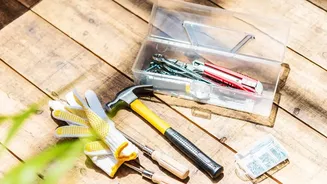
The main gas shutoff valve is located outside your home, next to the gas meter. Utility companies need consistent access, so it will not be inside a wall or closet. Look for the pipe that comes out of the ground and goes into the meter. On that pipe, you will find the valve—it's typically a rectangular nub or a lever. When the rectangular part is parallel with the pipe, the gas is on. To turn it off, you must give it a quarter-turn so it becomes perpendicular to the pipe. This almost always requires a tool. While an adjustable crescent wrench will work, it's highly recommended to buy a specific gas shutoff wrench for a few dollars and hang it on or near the meter itself.
The Critical Rules for Gas Shutoffs
Unlike the water main, the gas shutoff should only be used in a true emergency. You should only turn off the gas if you smell gas, hear a hissing sound, or see a broken gas line, or if you are instructed to do so by emergency officials. Electrical sparks from a light switch or appliance can ignite leaking gas, so if you suspect a leak, do not use your phone or flip any switches inside. Evacuate the house immediately and call your gas company or emergency services from a safe distance. The most important rule is this: NEVER turn the gas back on yourself. Once it's off, it must stay off until a qualified professional from the gas company can perform a safety check and restore service.
Document and Share Your Knowledge
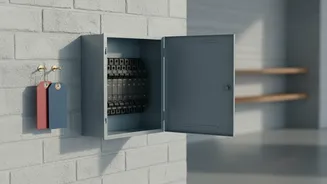
Once you've located both valves, don't let that knowledge go to waste. Use your phone to take a clear picture of each one. You can use a bright ribbon, a zip tie, or a printed tag to label them clearly. Make sure every responsible adult and older teenager in your home knows where they are and how to operate them. In a moment of crisis, you might not be the one at home. Sharing this information ensures that whoever is there is empowered to act quickly and correctly. Store the photos in a dedicated album on your phone or print them out and post them inside a utility closet door.