
The Cold, Hard Truth About Tomatoes
The most common kitchen debate might be whether to refrigerate tomatoes. Science finally has a clear answer: don't do it. While chilling a tomato keeps it from spoiling for longer, it permanently kills its flavour. Research shows that temperatures below
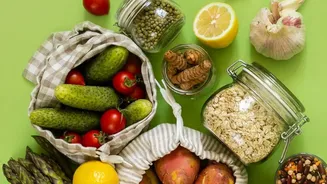
a certain point switch off the genes responsible for creating the volatile compounds that give tomatoes their signature aroma and taste. These compounds are crucial; while your tongue tastes sweet and sour, your nose detects the complex aromas that make a tomato exciting. The cold essentially tells the tomato to stop making these flavour-packed molecules, and the change is irreversible. The result is a mealy, bland texture and a muted taste, even if you bring the tomato back to room temperature. For peak flavour, store tomatoes on your counter, away from direct sunlight, and eat them within a few days.
Taming the Invisible Ripener: Ethylene Gas
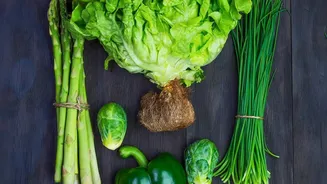
One of the most significant factors in how produce ages is an invisible, odourless plant hormone called ethylene gas. Some fruits and vegetables are high ethylene producers, while others are highly sensitive to it. Storing them together is a recipe for rapid spoilage. High-producing culprits include apples, ripe bananas, mangoes, and tomatoes. Sensitive items include leafy greens, carrots, broccoli, and cucumbers. When you store your apples next to your carrots, the ethylene from the apples signals the carrots to age and spoil faster. To prevent this, create separation. Use the crisper drawers in your fridge to your advantage: one for ethylene-producing fruits and another for sensitive vegetables. If your drawers have humidity controls, set the fruit drawer to low humidity (letting the gas escape) and the vegetable drawer to high humidity (keeping greens from wilting).
Let Your Herbs Breathe (or Stay Hydrated)
Fresh herbs like coriander (dhania) and mint (pudina) can go from vibrant to wilted in a day if stored incorrectly. Treating them like vegetables in a plastic bag is a common mistake. Instead, think of them as a bouquet of flowers. For tender herbs like coriander, parsley, and mint, trim the stems and place them in a glass with an inch of water. Cover the leaves loosely with a plastic bag and store it in the refrigerator. For hardier herbs like rosemary, you can wrap them in a slightly damp paper towel before placing them in a sealed bag or container. This simple change prevents them from drying out or turning bitter as their chlorophyll breaks down.
The Onion and Potato Dilemma
They are often bought together and cooked together, but onions and potatoes should never be stored together. Onions release moisture and ethylene gas, both of which are readily absorbed by potatoes. This causes the potatoes to sprout and spoil much more quickly. Both belong in a cool, dark, and well-ventilated space like a pantry, but in separate containers. A paper bag works well for both. Also, keep them out of the refrigerator. Cold temperatures convert potato starch into sugar, giving them an unpleasantly sweet taste and affecting how they cook. Refrigerated onions tend to become soft and lose their pungent flavour.
Beyond Spoilage: The Fight Against Oxygen and Odours
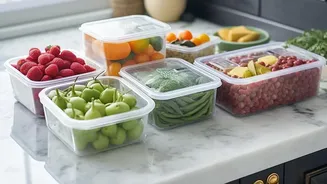
Good storage is also about protecting food from air and from each other. Oxidation, the process that occurs when food is exposed to oxygen, is a major culprit in flavour degradation. It can make fats taste rancid and cause cut fruits to brown and soften. Using airtight containers is one of the best ways to slow this process. This is especially true for leftovers. Not only does it prevent drying out, but it also stops cross-contamination of flavours. Without a proper seal, the assertive aroma from last night's garlic chicken can easily transfer to the butter or a slice of cake, creating a generic and unpleasant "fridge taste."