


A Departure from Tradition
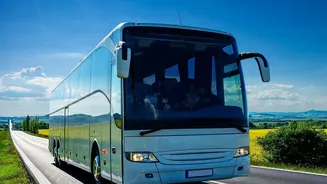
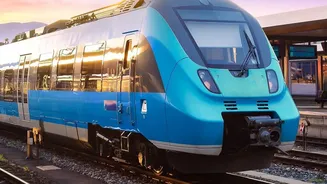
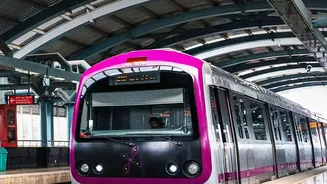
For decades, intercity travel in India was dominated by two choices: the expansive railway network or a vast web of state and private buses. While effective, these modes often come with trade-offs—crowded compartments, fixed timetables, and last-mile
connectivity gaps. Today's generation of travellers, comprised largely of students and young professionals, is increasingly opting out of this traditional framework. A recent survey revealed that nearly three-quarters of active travellers driving this shift are between 18 and 43 years old. This demographic is digitally native, values experiences over ownership, and demands a level of convenience that older systems struggle to provide. They are not just looking for a cheaper ticket; they are seeking a smarter, more flexible way to move between cities.
The Gospel of Convenience and Cost
The primary drivers behind this behavioural shift are undeniable: cost and convenience. Shared mobility platforms allow users to book a seat in a car, often at the last minute, at a price point that is highly competitive with buses and even trains. Platforms like BlaBlaCar, which has found its largest global market in India, have become go-to solutions for journeys between 30 and 500 kilometres—distances often poorly served by other modes. The appeal isn't just about saving money on fares. It's about the end-to-end experience: avoiding the stress of driving in traffic, bypassing crowded stations, and enjoying door-to-door or near-door-to-door service. For many, the ability to leave when they want, from where they want, is a luxury worth choosing.
Technology as the Great Enabler
This entire ecosystem runs on technology. A smartphone is all that's needed to find, book, and pay for a ride. With over 95% of bookings on major platforms happening via mobile apps, it's clear this is a mobile-first revolution. These apps do more than just connect drivers and passengers. They build trust in a system of strangers through verified profiles, user ratings, GPS tracking, and secure payment gateways. Features like gender filters or ladies-only rides have been introduced to address safety concerns, a top priority for travellers. Technology has effectively created a new layer of transport infrastructure that leverages underutilised assets—the empty seats in cars already on the road.
More Than Just a Ride
Beyond the practical benefits, carpooling offers a social dimension that is often missing from other forms of travel. Sharing a few hours in a car with fellow travellers can lead to new friendships, professional networking, or simply an interesting conversation. This community aspect turns a mundane journey into a potential experience, a factor that resonates strongly with a generation that values connection. It’s a return to a more communal form of travel, albeit one facilitated by algorithms. This shift also reflects a broader change in mindset away from ownership. A significant number of car owners now prefer not to drive for intercity trips, choosing instead to be passengers in a shared ride.
Navigating the Roadblocks
Despite its rapid growth, the path for shared mobility is not without its bumps. Safety remains the single biggest concern and barrier to wider adoption, with many potential users hesitant to travel with strangers. While platforms are investing heavily in trust and safety features, incidents can and do happen. Furthermore, the regulatory landscape is complex and, in some areas, ambiguous. Questions around whether a private vehicle can be used for commercial-like purposes without specific permits have led to crackdowns in some cities, creating uncertainty for both drivers and platforms. Striking a balance between encouraging innovation and ensuring passenger safety and regulatory compliance will be the key challenge moving forward.