


The Great Escape From The Plains
Across North India, a brutal and prolonged heatwave has made daily life a struggle. In June 2026, cities across Punjab, Haryana, Delhi, Rajasthan, and Uttar Pradesh have been baking in temperatures consistently soaring between 44°C and 46°C. [12, 13]
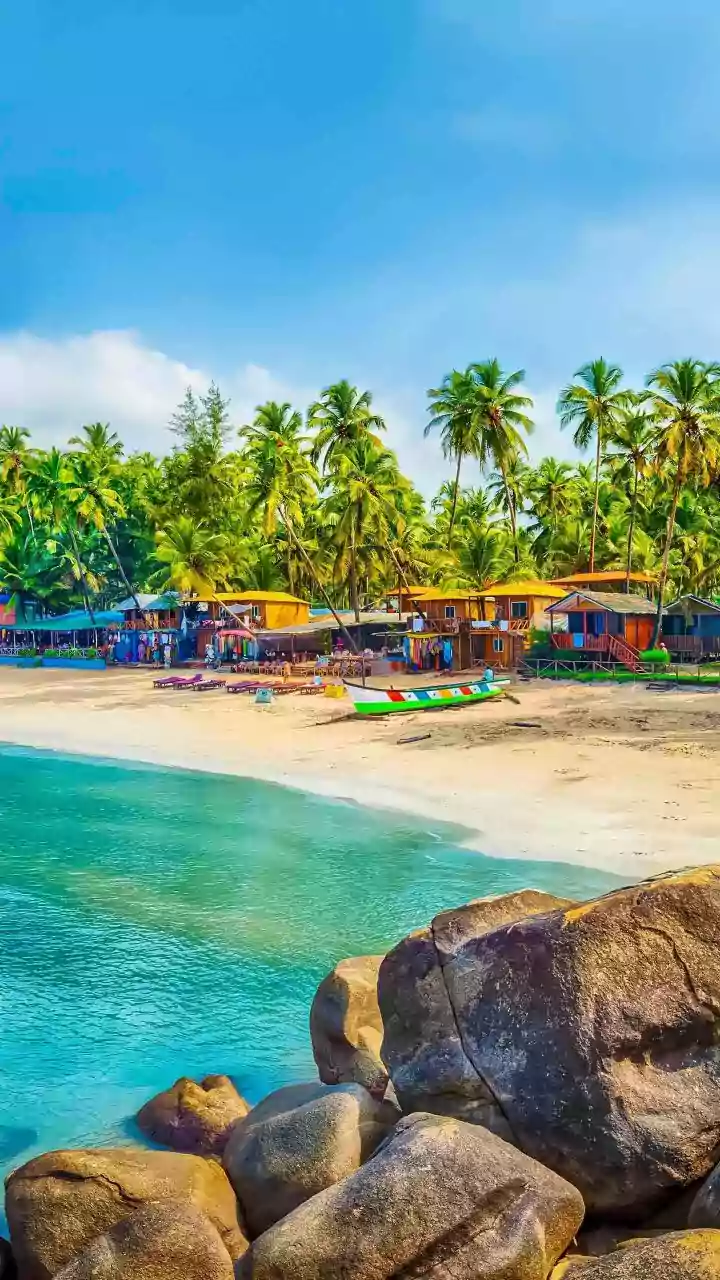
Some parts of Rajasthan even crossed the 48°C mark, pushing millions to their limit. [9] The India Meteorological Department (IMD) has declared a severe heatwave, defined by dangerously high temperatures that persist for days without relief, even at night. [9] This intense heat, arriving weeks before the cooling monsoon rains, has become the primary catalyst for one of the largest seasonal migrations in recent memory, as residents from the scorching plains seek immediate respite in higher altitudes. [9, 10] The phenomenon is no longer just about a summer vacation; for many, it has become a necessary escape.
A Rush To The Rooftops Of India
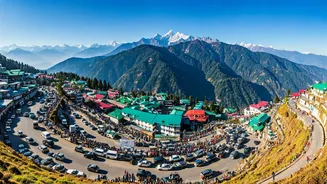
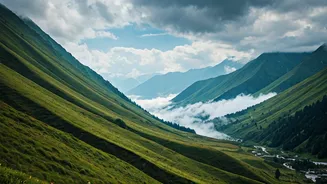
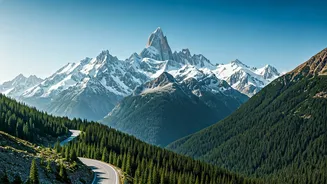
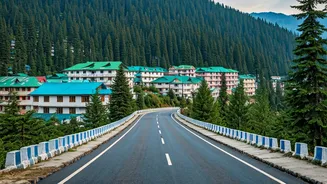
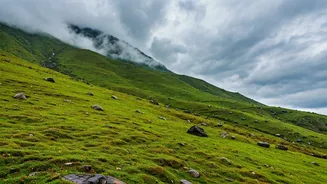
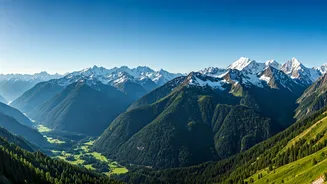
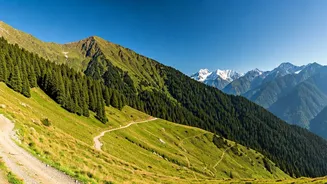
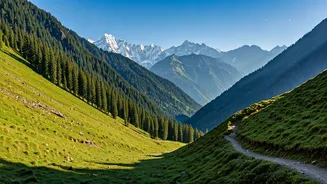
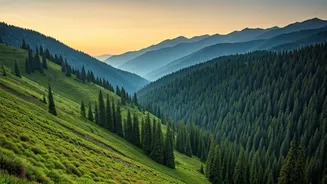
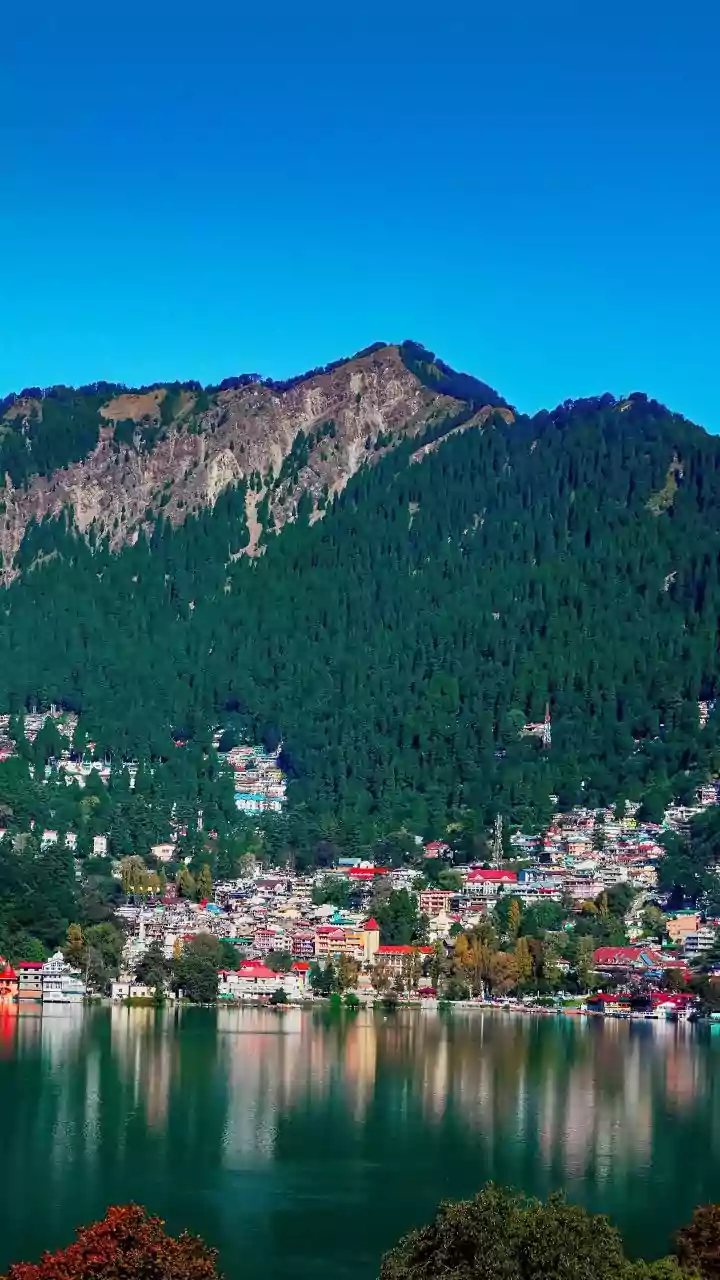
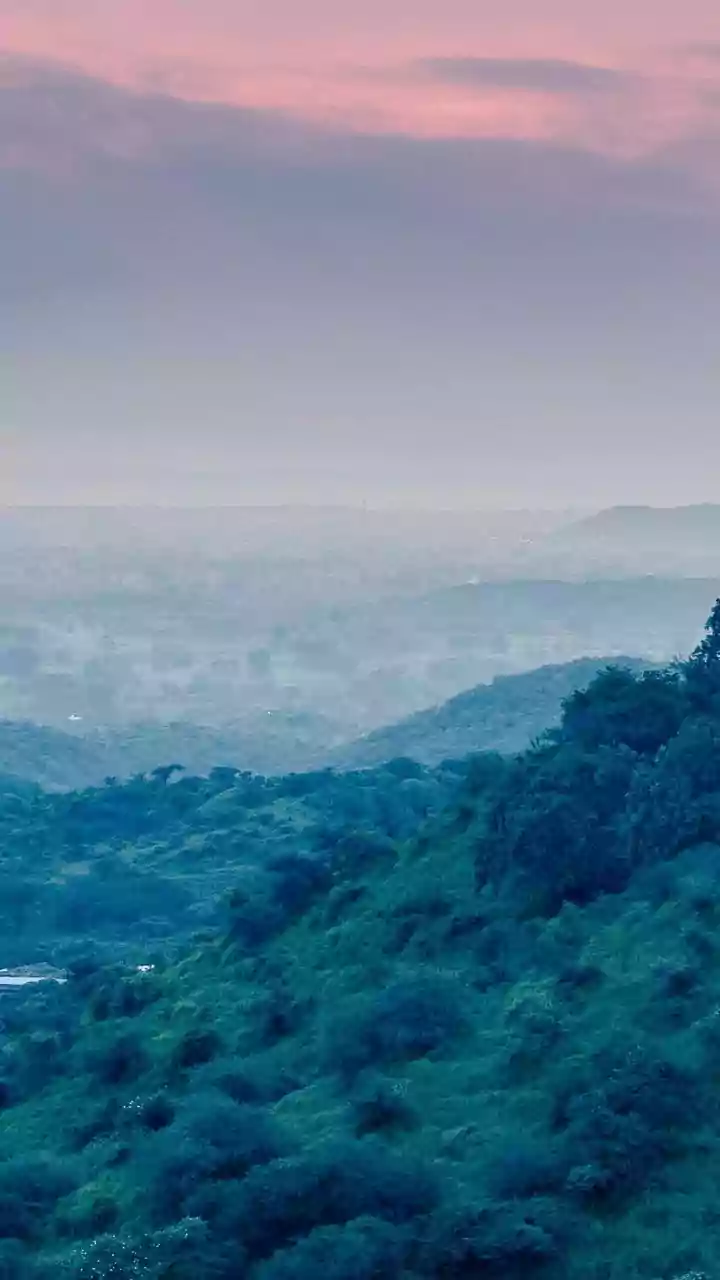
The hills are alive, not just with the sound of music, but with the roar of engines and the chatter of crowds. Popular destinations like Shimla, Manali, Mussoorie, and Nainital are experiencing a massive surge in tourist arrivals. [6] The tourism season, which typically peaks in early June, started weeks ahead of schedule this year due to the early onset of extreme heat. [14] Hotels are reporting occupancy rates of 80 to 90 percent, especially over weekends, in what many in the industry are calling the strongest business since the COVID-19 pandemic. [8] One backpacking hostel chain noted a 76% year-on-year surge in bookings for Shimla alone. [16] Lured by misty landscapes, cool weather, and the promise of refreshing showers, tourists are flocking to the mountains in record numbers, transforming these once-serene retreats into bustling hubs of activity. [6]
Gridlock On The Mountain Roads
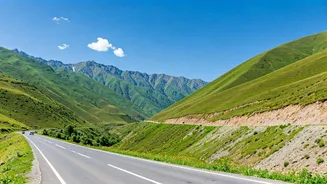
The dream of a peaceful mountain getaway is hitting a wall of traffic. The sheer volume of vehicles has overwhelmed the ageing infrastructure of these hill stations. [7, 8] Between May 1 and June 15, an estimated 1.5 million vehicles entered Shimla, causing frequent and crippling traffic jams. [8, 18] On some days, more than 23,000 vehicles have been recorded entering the city via a single entry point. [21] Visuals of bumper-to-bumper traffic stretching for kilometres on highways like the Mandi-Kullu-Manali route have become common. [5, 6] Tourists have reported spending hours stuck in jams, with some questioning if the ordeal is worth it. [10] In response, authorities in both Himachal Pradesh and Uttarakhand have been forced to deploy additional police personnel and implement complex traffic diversion plans to manage the relentless influx. [7, 8, 20]
A Double-Edged Sword for Local Economies
For the local economies of these hill towns, the tourist wave is a welcome flood of revenue. Hoteliers, restaurant owners, taxi drivers, and local vendors are seeing a significant boom in business. [6, 8] The Manali Hoteliers' Association president noted that the trend is expected to continue until the monsoon season begins, providing a much-needed economic boost. [8] However, the benefits are tempered by the strain of overtourism. While hotels and established businesses profit, the chaos of traffic congestion can paradoxically harm smaller enterprises. [24] When tourists are trapped in their cars for hours, they have less time and opportunity for spontaneous shopping or dining, which hurts local artisans and food vendors. [24] This creates a challenging dynamic where the very boom in visitors threatens the overall value and experience of the destination.