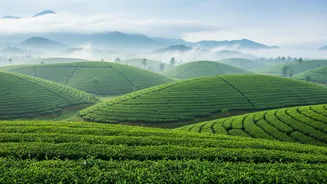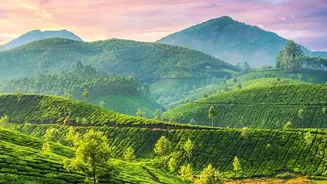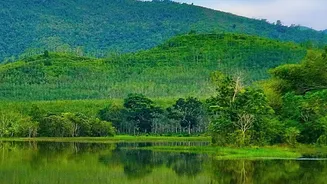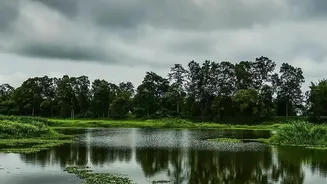

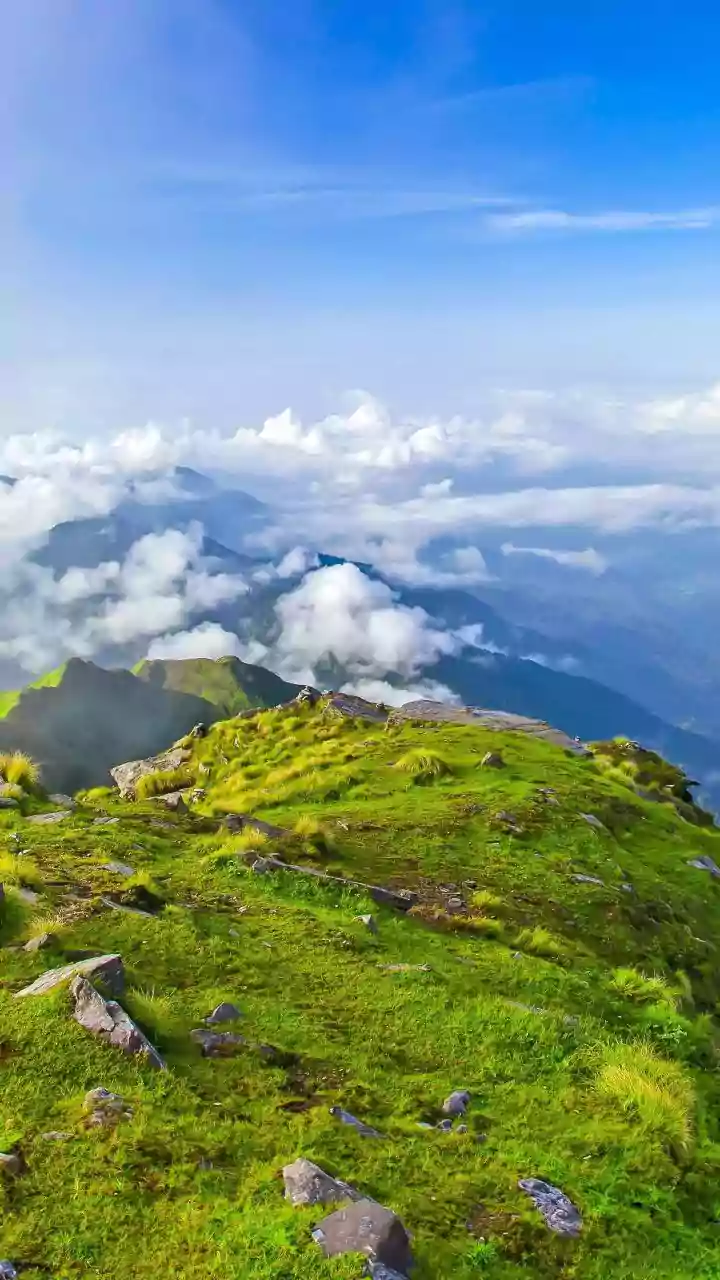
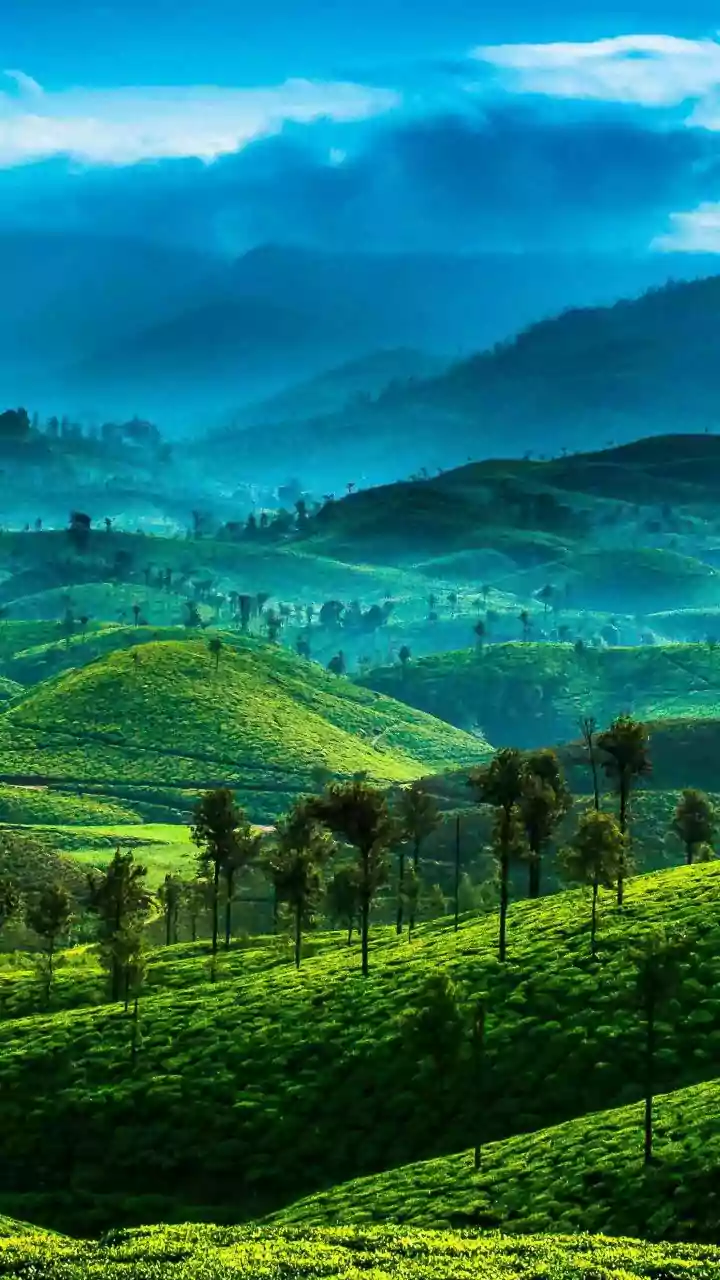




A Landscape Reborn in Green
The arrival of the monsoon breathes new life into Assam. The dust of the dry season is washed away, replaced by a vibrant, emerald carpet that stretches across rice paddies, forests, and rolling hills. The Brahmaputra River, the state's lifeline, swells
with a quiet power, its waters reflecting the moody, cloud-filled skies. This season offers a more tranquil, introspective version of Assam, where the rhythm of life slows to match the steady patter of the rain. It is a time for photographers and nature lovers, offering dramatic landscapes and a sense of profound peace.
The Magic of Rain-Soaked Tea Gardens
Assam, the world's largest tea-growing region, is perhaps at its most iconic during the monsoon. The sprawling tea estates around Jorhat and Dibrugarh become impossibly lush, the endless rows of tea bushes glistening with raindrops. The air is filled with the fresh, earthy scent of wet soil and new leaves. Many estates offer tours where you can witness the journey from leaf to cup, and some even provide accommodation in charming heritage bungalows. Sipping a cup of strong Assam tea while watching the rain fall over the plantations is an experience that defines monsoon travel in the region.
Wildlife Sanctuaries in a New Light
While travel advisories often warn of park closures, the monsoon offers a different perspective on Assam's famed wildlife. Kaziranga National Park, home to two-thirds of the world's one-horned rhinoceroses, officially closes its core safari zones from around June to September due to flooding. However, some peripheral areas and elevated trails in the central and western ranges may remain partially accessible for jeep safaris, offering glimpses of animals seeking higher ground. Other sanctuaries, like Dibru-Saikhowa National Park, are wetland havens that come alive in the rains and can be explored by boat. The bird sanctuary of Deepor Beel, near Guwahati, also becomes a paradise for birdwatchers as migratory species arrive.
Misty Hills and Cultural Havens
For those seeking cooler climes, Haflong, Assam’s only recognised hill station, is at its misty best during the monsoon, with clouds drifting through the valleys. Another unique destination is Majuli, the world's largest river island. While reaching it can be challenging due to unpredictable ferry services during heavy rains, the island becomes a tranquil hub of cultural immersion. Visitors can explore its ancient Vaishnavite monasteries, known as Satras, and witness the serene lifestyle of its inhabitants, all set against a backdrop of rain-washed greenery. Cities like Guwahati and Tezpur also take on a mystical charm, with temples like Kamakhya appearing even more spiritual against the grey skies.
Practical Tips for Your Monsoon Journey
Travelling in Assam during the monsoon requires some planning. Flooding and landslides can cause road closures and travel delays, so it's crucial to check weather updates and local conditions before you set out. Pack waterproof clothing, sturdy footwear, and insect repellent. While many hotels offer off-season discounts, it is wise to book accommodation and transport in advance, especially if you plan to visit popular areas. Ferry services, particularly to Majuli, are dependent on river conditions and can be suspended, so a flexible itinerary is key to a stress-free trip. Embracing the occasional disruption is part of the adventure.