






An Unprecedented Downpour
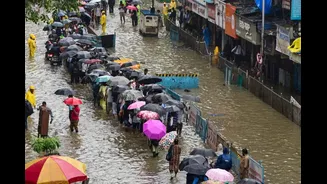
The first week of July 2026 was unlike any other in Mumbai's recent history. The city experienced its wettest start to the month in nearly three decades. Between June 1 and early July, the city received around 1,240 mm of rain, the highest for this period
in 27 years. In just the first week of July, some weather stations recorded nearly 1,000 mm of rain, surpassing the entire monthly average for July in previous years. The key takeaway isn't just the total volume, but the frightening intensity. The city witnessed multiple days of "extremely heavy" rainfall, a category defined by the India Meteorological Department (IMD) as over 204.5 mm in 24 hours. This pattern of short, intense, and destructive bursts of rain, rather than sustained showers spread over weeks, overwhelmed the city, causing widespread flooding, transport chaos, and tragic loss of life.
The Climate Change Signature
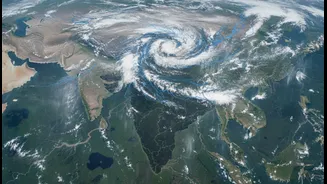
Experts are clear: this is the signature of a changing climate. While weather phenomena like El Niño can influence the timing of the monsoon's arrival, global warming is fundamentally altering its behaviour. A warmer atmosphere holds more moisture, and a rapidly warming Arabian Sea provides the fuel for more intense downpours. The result is a dangerous shift from steady seasonal rains to volatile, hyper-concentrated deluges. This trend is not a one-off event. Long-term data indicates a consistent increase in average monsoon rainfall in Mumbai over the past two decades. Climate projections warn that this trend is set to continue, with coastal Maharashtra expected to experience almost an additional week of heavy rainfall during the monsoon in the near future.
Mumbai: A Warning for Urban India
The story of Mumbai’s rain is a critical case study for every major urban centre in India. The challenges are strikingly similar across the country: rapid, often unplanned urbanisation, encroachment on natural floodplains and wetlands, and outdated drainage infrastructure. Cities like Delhi, Chennai, and Bengaluru are already experiencing their own versions of this crisis. Delhi's drainage plan from 1976 is no match for modern rainfall intensity, while Bengaluru has lost a huge percentage of its water bodies to construction. Mumbai’s struggle is a preview of what happens when intensifying rainfall collides with infrastructure built for a different climate reality. It highlights a nationwide crisis of urban planning, where development has often prioritized real estate over environmental resilience.
A Call for Climate-Resilient Planning
The data from Mumbai's monsoon is forcing a necessary, if overdue, conversation about how India builds its cities. The recurring cycle of flooding demonstrates that reactive measures are not enough. The focus is shifting towards proactive, climate-resilient strategies. This includes initiatives like the Mumbai Climate Action Plan (MCAP), which aims to create a roadmap for a net-zero and resilient city by 2050. Key strategies involve protecting and restoring natural ecosystems like mangroves and wetlands, which act as crucial sponges for floodwater. There is also a growing push for concepts like "sponge cities," which use green infrastructure like parks and permeable surfaces to absorb rainwater naturally. These approaches are not only more effective but can be more affordable than purely engineered solutions.
Why This Matters Beyond the Metros
The implications of Mumbai's rainfall patterns extend far beyond the city limits. This is a story about water security, public health, economic stability, and social equity. When a financial capital like Mumbai is repeatedly paralysed, the economic shockwaves are felt across the country. More importantly, the impact of flooding is not borne equally. It disproportionately affects the most vulnerable communities, often those living in low-lying informal settlements with the least capacity to cope. The increasing frequency of these extreme weather events represents a public health threat, with risks of water-borne diseases and fatalities. Therefore, understanding and acting on the data from Mumbai is not just an urban issue; it is a national imperative for building a more sustainable and equitable future for all Indians.