




Goodbye to the Forgotten Room
For decades, the den was a staple of many homes—a small, cozy room often designated for watching television or quiet relaxation. However, with the rise of open-concept floor plans in the 90s and 2000s, these compartmentalized spaces fell out of fashion,
seen as dated and restrictive. Home design favoured large, airy great rooms where living, dining, and kitchen areas flowed together. The traditional den, with its defined walls and singular purpose, was often absorbed into these larger spaces or forgotten altogether. This shift left a gap for a private, informal retreat within the home.
Why the Den is Back in Style
The resurgence of the den is deeply rooted in our recent collective experience. The pandemic reshaped how we use our homes, revealing the limitations of completely open-plan living when multiple family members need to work, study, and relax in the same area. This created a renewed appreciation for rooms with doors that can provide privacy and acoustic separation. Today's den is not just about nostalgia; it’s about practicality. It's a response to the need for dedicated zones for remote work, hobbies, exercise, or simply a quiet moment away from the main household activity.
The Den as a Home Office Hub
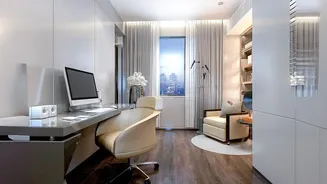
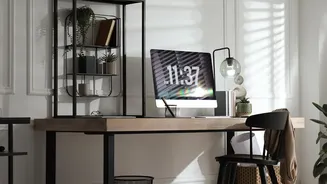
One of the most popular functions of the modern den is as a home office. Unlike a desk in the corner of a bedroom or living room, a den can be a dedicated workspace that allows for focus and concentration. More importantly, it allows you to mentally and physically 'leave' work at the end of the day by closing the door. In smaller Indian apartments where a dedicated study isn't feasible, a flexible den can be a game-changer. Designers recommend using smart furniture like wall-mounted desks that fold away, or using stylish screens to partition the work zone, allowing the room to revert to a relaxation space after hours.
A Sanctuary for Digital Detox
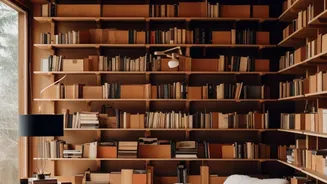
In a world of constant connectivity, the den can also serve as an essential tech-free retreat. Imagine a room dedicated to analogue activities: reading, listening to music, sketching, or simply having a quiet conversation. This version of the den prioritises comfort, with plush seating, warm lighting, and plenty of texture. Think cozy armchairs, soft rugs, and bookshelves filled with your favourite titles. It’s about creating a personal sanctuary that helps you disconnect and recharge. This trend taps into a broader wellness movement in home design, which emphasizes creating spaces that support mental well-being.
The Ultimate Family Flex-Room
For families, the modern den is the ultimate multi-purpose room. It can be a homework station for kids in the afternoon, a video game hub in the evening, and a family movie theatre on the weekends. The key to making it work is durability and smart storage. Think modular sofas that can be reconfigured, coffee tables with hidden storage for toys and controllers, and robust fabrics that can handle daily use. By zoning the room, you can accommodate different activities simultaneously. For instance, a small table and chairs in one corner can be for board games or crafts, while the main seating area is focused on entertainment.
Tips for Creating Your Own Den
You don't need a huge house to create a den. Look for an underused space like a small guest room, an awkward corner, or even a large closet. The essence of a den is its cozy, contained feel. Invest in multi-functional furniture like ottomans with storage, sofa beds, or nesting tables. Use vertical space with tall bookshelves or floating shelves to maximize storage without cluttering the floor. Finally, define the space with a rug and layered lighting—a combination of overhead, task, and accent lighting allows the room's mood to adapt to its function.