





How AI 'Sees' Your Skin
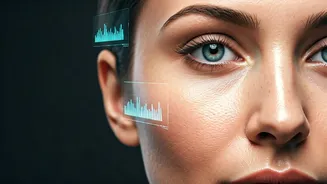
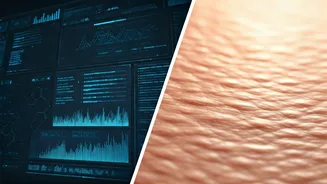
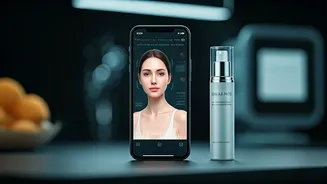
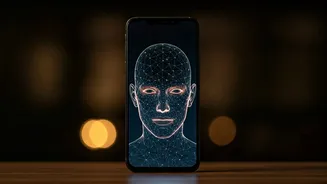
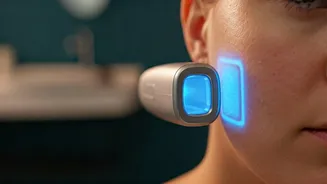
AI skincare analysis isn't magic; it's data. When you upload a selfie to a skincare app, it uses sophisticated technology, often called computer vision, to analyse the image. The AI is trained on vast databases containing millions of photos of skin, which
are labelled with specific concerns like acne, pigmentation, wrinkles, and pore size. It breaks your photo down into multiple parameters and compares the patterns it sees—like redness, texture, and fine lines—to this huge library. Based on this comparison, it generates a report on your skin's condition, quantifying issues that might be invisible to the naked eye.
The Promise: A Personal Skin Guru in Your Pocket
The main appeal of AI skincare is accessibility and personalisation. For those without easy or affordable access to dermatologists, these apps offer a convenient starting point. They promise to remove the guesswork from the overwhelming world of skincare products. Instead of relying on subjective self-assessment, which studies show is often inaccurate, AI provides objective measurements and consistent tracking over time. This allows you to monitor how your skin responds to products and lifestyle changes. Some advanced platforms can even factor in external data like your local weather, pollution levels, and even your hormonal cycle to make dynamic, real-time adjustments to your recommended routine.
The Reality: What the Algorithm Can't See
Despite its power, AI has significant limitations. An algorithm can't physically touch your skin to assess its texture or barrier function. It also lacks crucial clinical context. An AI might identify redness, but it can't distinguish between simple irritation, rosacea, or an allergic reaction without asking detailed questions about your lifestyle, diet, and medical history. Furthermore, there are major concerns about bias. Many AI models have been trained primarily on images of lighter skin tones, which can lead to lower accuracy for people with darker skin. There are also privacy risks associated with uploading your facial data to various platforms.
What Do Dermatologists Say?
Most dermatologists view AI skincare tools with cautious optimism, seeing them as a potentially helpful supplement but not a replacement for professional care. For cosmetic concerns like choosing a moisturiser or tracking fine lines, the technology can be empowering. However, experts warn against relying on apps for diagnosing medical conditions. Studies have shown that apps intended to diagnose skin rashes or spot cancerous moles can have alarmingly low accuracy rates, potentially leading to a false sense of security or unnecessary anxiety. Dr. Daniel Schlessinger, a board-certified dermatologist, states clearly, “They simply aren't a replacement for a visit to a board-certified dermatologist.” Many also point out that some free apps are essentially funnels designed to recommend products from a specific brand, rather than providing neutral advice.
Finding the Right Balance: AI as Your Assistant
So, can AI recommend better skincare than you can? The answer is nuanced. AI is better than unguided guesswork, especially for consumers who are new to skincare. An AI's ability to analyse data objectively and track progress surpasses what most of us can do in the mirror. However, it is not better than an informed user working in partnership with a qualified dermatologist. The best approach is to use these technologies as an assistant, not a doctor. Use AI to learn more about your skin, track the effectiveness of your routine, and discover new ingredients. But for diagnosing persistent issues, managing complex conditions like acne or eczema, and getting advice on medical-grade treatments, nothing beats the holistic, contextual understanding of a human expert.