





Why Local Alerts Matter More
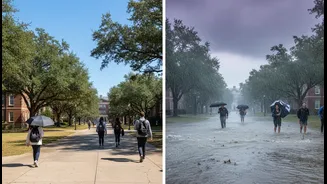
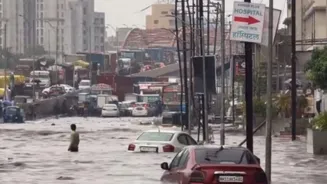
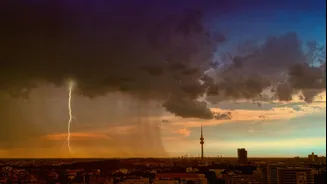
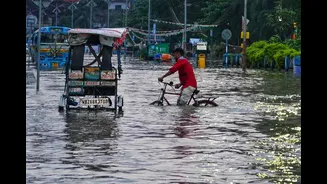
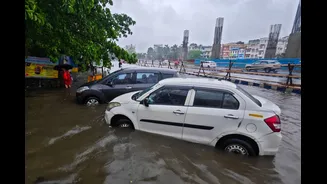
A broad regional forecast might predict rain, but it cannot tell you if a specific cloudburst is about to cause a flash flood in your immediate area. Extreme weather events are often highly localised, affecting an area of just a few square kilometres.
This is where hyperlocal alerts from official sources come in. They are designed to provide timely, location-specific warnings that a general forecast cannot. The India Meteorological Department (IMD) scientist CS Patil notes that alerts are issued for an entire district, and it's not always possible to specify conditions for every small pocket within it, which underscores the need for residents to be connected to the most direct information available for their zone. These alerts can provide the crucial minutes needed to move to higher ground, avoid a waterlogged street, or secure your home before disaster strikes.
How to Decode Official Warnings
The IMD uses a simple colour-coded system to communicate the severity of expected weather, helping you understand the level of risk at a glance. Understanding these is the first step to preparedness. Green (No Warning): All is well. No adverse weather is expected. Yellow (Be Aware): This is a cautionary alert. It signals the possibility of deteriorating weather that could cause disruptions to daily life, such as moderate rainfall. It's a prompt to keep yourself updated. Orange (Be Prepared): The weather is expected to worsen significantly, with a high likelihood of events like very heavy rain that could disrupt transport, cause power outages, and threaten life and property. You should prepare to take action. Red (Take Action): This is the highest level of alert for extremely severe weather that is imminent or already occurring. A red alert indicates a significant threat to life and property, and immediate action is required to stay safe, which could include evacuation.
Your Go-To Government Apps and Services
The Government of India has launched several digital tools to bring alerts directly to your phone. These should be your primary source for credible information. The MAUSAM app, from the IMD, provides access to weather forecasts, radar images, and proactive warnings for impending weather events. The Damini app is specifically designed to provide lightning alerts for areas within a 20-40 km radius. For farmers, the Meghdoot app offers crop advisories based on weather information. These services are also integrated into the UMANG app, a single platform for various government services. Beyond apps, the IMD also provides an SMS-based alert system for which you can register on their website, ensuring you get critical information even without an internet connection.
Creating Your Personal Safety Plan
Receiving an alert is only the first step; knowing what to do next is critical. The National Disaster Management Authority (NDMA) provides guidelines that emphasize a proactive approach to safety. When you receive a 'Yellow' or 'Orange' alert, start preparing. Secure loose items outside your home, ensure your electronic devices are charged, and check your emergency kit. This kit should include essentials like a torch, first-aid supplies, dry food, and clean water. For a 'Red' alert, you should stay indoors, avoid all non-essential travel, and be ready to move to a safer location if advised by authorities. A key recommendation from the NDMA is for inter-agency coordination, but community preparedness is equally vital. Check on elderly or vulnerable neighbours and have a family communication plan in place.