
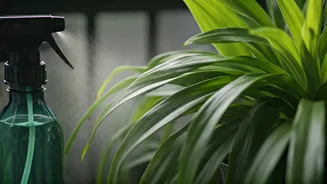




1. Peace Lily (Spathiphyllum wallisii)
The Peace Lily is an elegant and resilient choice for any Indian home. Its glossy, dark green leaves and iconic white spathes (which look like flowers) bring a touch of sophistication to small spaces. This plant is a true champion of low-light conditions
and high humidity, making it a perfect indoor companion during the rainy season. It actually prefers to be slightly 'root-bound' in a smaller pot, as this encourages it to produce more of its beautiful white blooms. Overwatering is a common mistake with many plants, but the Peace Lily is more forgiving. During the monsoon, its thirst for moisture is naturally met by the humid air, so you’ll only need to water it when the top inch of soil feels dry.
2. Boston Fern (Nephrolepis exaltata)
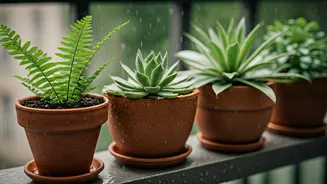
If you want to create a lush, tropical vibe on your balcony, look no further than the Boston Fern. With its feathery, arching fronds, this plant is practically synonymous with rainy weather. Ferns in general are moisture-loving, and the Boston Fern is no exception. It thrives on the humidity of the monsoon, and its delicate leaves look especially vibrant when jewelled with raindrops. It’s an ideal candidate for a hanging basket or a small pot placed on a stool, allowing its fronds to cascade downwards gracefully. Because their root systems are relatively shallow and fibrous, they don't require deep pots to be happy. Just ensure the soil remains consistently moist (but not waterlogged) and keep it out of direct, harsh sunlight.
3. Caladium (Elephant Ear)
For a spectacular pop of colour, Caladiums are an unbeatable choice. Often called 'Elephant Ear' or 'Angel Wings' due to their large, heart-shaped leaves, these plants come in stunning combinations of pink, white, red, and green. Caladiums are tropical plants that enter their peak growing season during the monsoon. They adore the wet, humid conditions and will reward you with their most vibrant foliage at this time. While their leaves can get quite large, their tuberous root system is perfectly content in a medium-sized, well-draining pot. They make a dramatic statement on a shaded balcony or near a bright window. Remember that Caladiums may go dormant in the dry winter, but their tubers can be stored and replanted for the next rainy season.
4. Spider Plant (Chlorophytum comosum)
The Spider Plant is one of the most adaptable and easy-to-grow houseplants available, making it perfect for beginners. Its slender, arching leaves give it a playful appearance, and it’s famous for producing 'spiderettes'—tiny baby plants that dangle from the mother plant like spiders on a web. These plants are remarkably tolerant of various conditions, including the occasional overwatering that can happen during a wet spell. They prefer to be in snug pots, and like the Peace Lily, being slightly root-bound can encourage them to produce more of their charming 'pups'. Their thick, fleshy roots are designed to store water, which gives them a buffer against inconsistent watering. It's an excellent air purifier and adds a touch of life to any small corner.
5. Money Plant (Epipremnum aureum)
No list of hardy Indian houseplants would be complete without the ubiquitous Money Plant. This versatile vining plant, also known as Pothos, is cherished for its heart-shaped leaves and its reputation for bringing good fortune. It is incredibly low-maintenance and thrives in the high humidity of the monsoon. You can grow it in a small pot and let its vines trail down a shelf, climb up a moss stick, or simply trim it to keep it bushy and compact. It’s very forgiving and can tolerate both low light and periods of neglect. During the rainy season, it often goes into a growth spurt, unfurling new leaves rapidly. Its adaptability to small containers and its love for a moist environment make it a top contender for any home, big or small.