





The Rhythm of the Monsoon
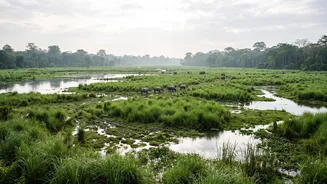
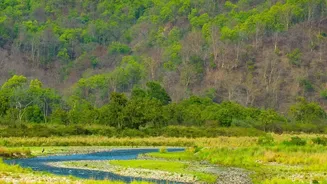
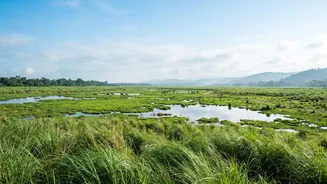
The single most important factor governing Kaziranga's schedule is the monsoon. Located in the floodplains of the mighty Brahmaputra River, the park is subject to annual flooding between May and October. Heavy rains cause the river to swell and inundate
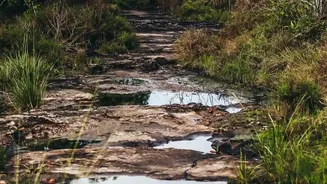
vast portions of the grasslands and wetlands. This natural phenomenon, while essential for the ecosystem, makes safari routes impassable and unsafe. Consequently, the park closes to all tourist activity, typically from May until the end of October, to ensure safety and allow for the natural regeneration of the habitat. This annual deluge is not seen as a calamity but as a vital ecological process that replenishes water bodies, deposits nutrient-rich silt, and removes invasive species, effectively revitalizing the landscape for the wildlife that depends on it.
A Phased and Staggered Reopening
Kaziranga does not simply flip a switch and open all at once. The reopening is a gradual process that begins as the monsoon waters recede and the safari tracks dry out. For the 2026-2027 season, the park officially began reopening on October 3, 2026. However, this initial reopening is typically limited to certain zones. The Central (Kohora) and Western (Bagori) ranges are usually the first to welcome back visitors for jeep safaris. Other zones, like the Eastern (Agoratoli) and Burapahar ranges, open later in phases as conditions permit. Elephant safaris, a major attraction, also have a later start date, often beginning around November 1. This phased approach ensures that each zone is safe and fully prepared for visitors before access is granted.
Understanding the Safari Zones
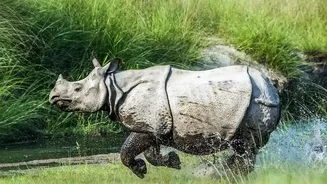
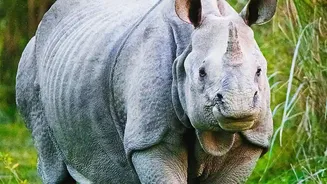
The park is divided into four main tourist zones, each offering a slightly different experience. The Central Range (Kohora) is the most popular and easily accessible, known for a good balance of wildlife. The Western Range (Bagori) has a very high density of rhinos, making it a favorite for photographers and those keen on seeing the park's star resident up close. The Eastern Range (Agoratoli) is celebrated for its excellent birdwatching opportunities and sightings of wild water buffalo, offering a quieter experience. The Burapahar Range provides a different feel with its hilly terrain, where one might even spot a hoolock gibbon. Knowing which zones are open is key to planning your itinerary, especially if visiting early in the season.
Prime Time: When to Plan Your Visit
While the park starts opening in October, the consensus best time to visit Kaziranga is from November to April. During these months, all safari zones are typically open, the weather is cool and pleasant, and the post-monsoon grasses have started to dry out or shorten, improving wildlife visibility. The period from December to February is considered the peak season due to ideal weather conditions. March and April can be warmer, but they offer some of the clearest views of animals as they gather around the shrinking water bodies. Planning your trip within this window gives you the most flexibility and the highest chance of a rewarding safari experience across all the park's diverse landscapes.
Booking Safaris and Practical Tips
Kaziranga offers two main safari types: jeep and elephant. Jeep safaris cover more ground and operate in both morning and afternoon shifts, typically from 7:30 AM to 10:00 AM and again from 1:30 PM to 3:00 PM. Elephant safaris offer a unique, close-up perspective of the grasslands and are conducted only in the early morning, usually starting around 5:30 AM in the Central and Western zones. It is highly recommended to book your safaris in advance, especially during the peak season from December to February, as slots for both jeeps and elephants can sell out quickly. Many visitors choose to do an elephant safari at dawn for close rhino encounters, followed by a jeep safari to explore a wider area of the park.