

The Plant Iron Challenge
For many of us in India, plant-based proteins like dal, chickpeas, beans, and lentils are staples of our daily diet. These foods are nutritional powerhouses, packed not only with protein but also with essential minerals like iron. However, the iron found
in plants, known as non-heme iron, comes with a catch. It is notoriously difficult for our bodies to absorb compared to heme iron, which is found in animal products. This is because plants also contain natural compounds called phytates and polyphenols, which can bind to iron and hinder its absorption. This means that even if you are eating plenty of iron-rich spinach or lentils, you might not be getting the full benefit, which can contribute to feelings of fatigue and low energy.
Vitamin C to the Rescue
This is where Vitamin C steps in as a true nutritional hero. When consumed in the same meal, Vitamin C works a kind of magic on non-heme iron. Scientifically, the ascorbic acid in Vitamin C-rich foods converts plant-based iron from its less absorbable form (ferric) into a more bioavailable form (ferrous) that your digestive system can easily take up. The effect is not minor—it's dramatic. While the headline suggests it doubles absorption, studies show that Vitamin C can increase non-heme iron absorption by several times, with some research indicating a boost of up to five or six-fold. This simple synergy effectively unlocks the iron stored in your plant-based foods, ensuring your body gets the fuel it needs for vital functions like carrying oxygen in the blood and maintaining energy levels.
Power Pairs for Indian Kitchens
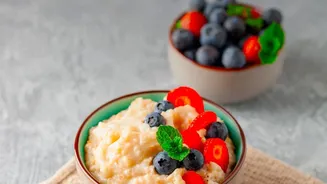
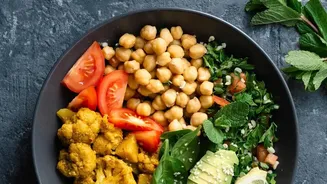
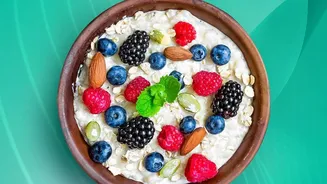
Integrating this principle into your diet is both easy and delicious, as many traditional Indian food pairings already do this intuitively. The key is to consciously combine your protein source with a Vitamin C source in the same meal. Think about the classic squeeze of lemon (nimbu) over a bowl of dal—that’s not just for flavour, it’s a nutritional masterstroke. A chickpea or rajma curry becomes more powerful when cooked with a rich tomato and bell pepper base. Even a simple palak (spinach) dish benefits immensely from the addition of tomatoes, which are a great source of Vitamin C that helps counteract the iron-blocking oxalates in spinach. Other fantastic combinations include a bean salad with a lemon vinaigrette, tofu stir-fried with broccoli, or a bowl of oatmeal topped with fresh strawberries.
Simple Habits, Big Impact
You don’t need to completely overhaul your diet to reap these benefits. A few small, consistent habits can make a huge difference. Start by making it a rule to add a Vitamin C source to any meal centered around legumes, lentils, or leafy greens. This could be as simple as adding a garnish of fresh coriander, enjoying a small bowl of fruit like oranges or amla alongside your meal, or having a side salad with tomatoes and peppers. Just as important is knowing what to avoid. Tea and coffee contain compounds called tannins that inhibit iron absorption. To maximize your iron intake, try to avoid drinking your chai or coffee within an hour of an iron-rich meal. Instead, enjoy them between meals to ensure your body has the best possible chance to absorb this crucial nutrient.