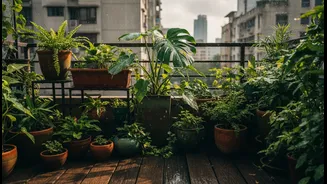






Understanding the Enemy: Root Rot
Root rot is a disease caused by fungi and bacteria that thrive in soggy, oxygen-deprived soil. When a pot cannot drain properly, excess water fills the air pockets that roots need to breathe. This suffocates the roots, causing them to decay. Early signs
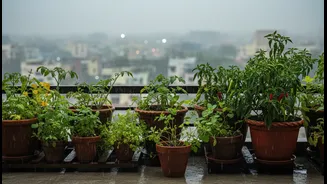
include leaves turning yellow or wilting even when the soil is wet, and a sour or rotten smell coming from the pot. If left unchecked, the rot will spread and eventually kill the plant. The monsoon, with its frequent and heavy downpours, creates the perfect conditions for this problem in container gardens.
The Foundation: Your Potting Container
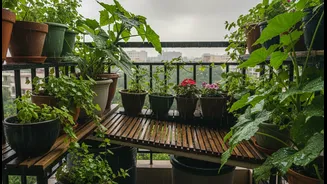
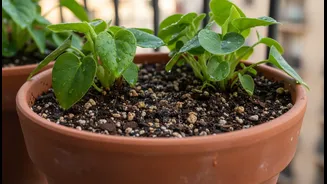
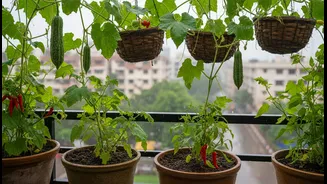
The first line of defence is the pot itself. Every pot on your balcony must have at least one, preferably multiple, drainage holes at the bottom. This is non-negotiable during the monsoon. Before the rains begin, check to ensure the holes are not clogged with old soil or roots. Placing a piece of broken pottery or mesh over the hole can prevent soil from washing out while still allowing water to escape. Also, consider elevating your pots on bricks, pot feet, or a stand. Lifting the container even slightly off the floor improves airflow and ensures water can drain freely, rather than getting trapped between the pot base and the balcony surface.
Crafting the Perfect Monsoon Soil Mix
Standard garden soil is too dense for pots and becomes easily compacted and waterlogged during the monsoon. The key to preventing root rot is a lightweight, well-draining potting mix. You can create your own superior mix by combining several ingredients. A reliable formula for most plants is a blend of garden soil, compost, and materials that create air pockets, like cocopeat and coarse sand or perlite. Perlite, a type of volcanic glass, is excellent for improving aeration and drainage. A good starting recipe is equal parts soil, cocopeat, and compost, with a generous handful of sand or perlite mixed in. This creates a medium that holds enough moisture for the plant but allows the excess to drain away quickly.
Rethink Your Watering Schedule
Don't assume the rain is doing all the work for you. It's a common mistake to continue watering daily out of habit, which can quickly saturate the soil. Conversely, a light shower might only wet the top layer of soil, leaving the roots dry. Always check the soil before watering. The best method is the finger test: insert your finger about two inches into the soil. If it feels dry at that depth, it's time to water; if it's damp, let it be. During the monsoon, it's often better to underwater than to overwater.
Proactive Monsoon Plant Care
A few extra steps can make a big difference. If possible, move more sensitive plants, like succulents, to a sheltered area away from direct, heavy rain. For all plants, ensure there is good air circulation by not crowding them too closely together. Regularly remove any dead or yellowing leaves and spent flowers, as this decaying matter can encourage fungal growth in the humid environment. You can also gently loosen the top layer of soil with a small tool if it becomes hardened by the force of the rain; this helps with aeration and allows the soil to dry faster. A thin layer of mulch, like rice husks, can also prevent soil from splashing onto leaves, which can spread fungal spores.
Emergency Rescue for Waterlogged Plants
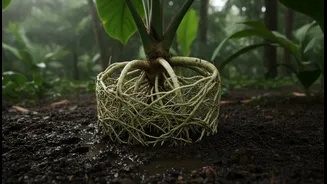
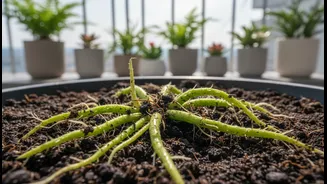
If you suspect a plant is already suffering from root rot, you must act fast. Gently remove the plant from its pot and inspect the roots. Healthy roots are typically firm and white or light-coloured, while rotted roots will be brown or black, mushy, and may fall apart when touched. Using a clean, sharp pair of scissors, carefully trim away all the soft, rotten parts until only healthy root tissue remains. Discard the old, waterlogged soil and repot the plant in a fresh, well-draining potting mix in a clean pot. After this surgery, the plant will be stressed, so place it in a spot with indirect light to recover.