


The Western Ghats, Kerala
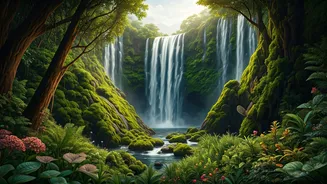
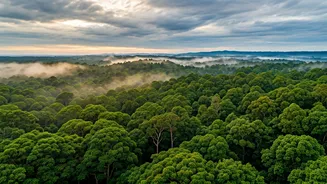
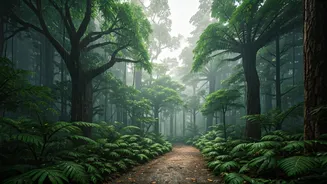
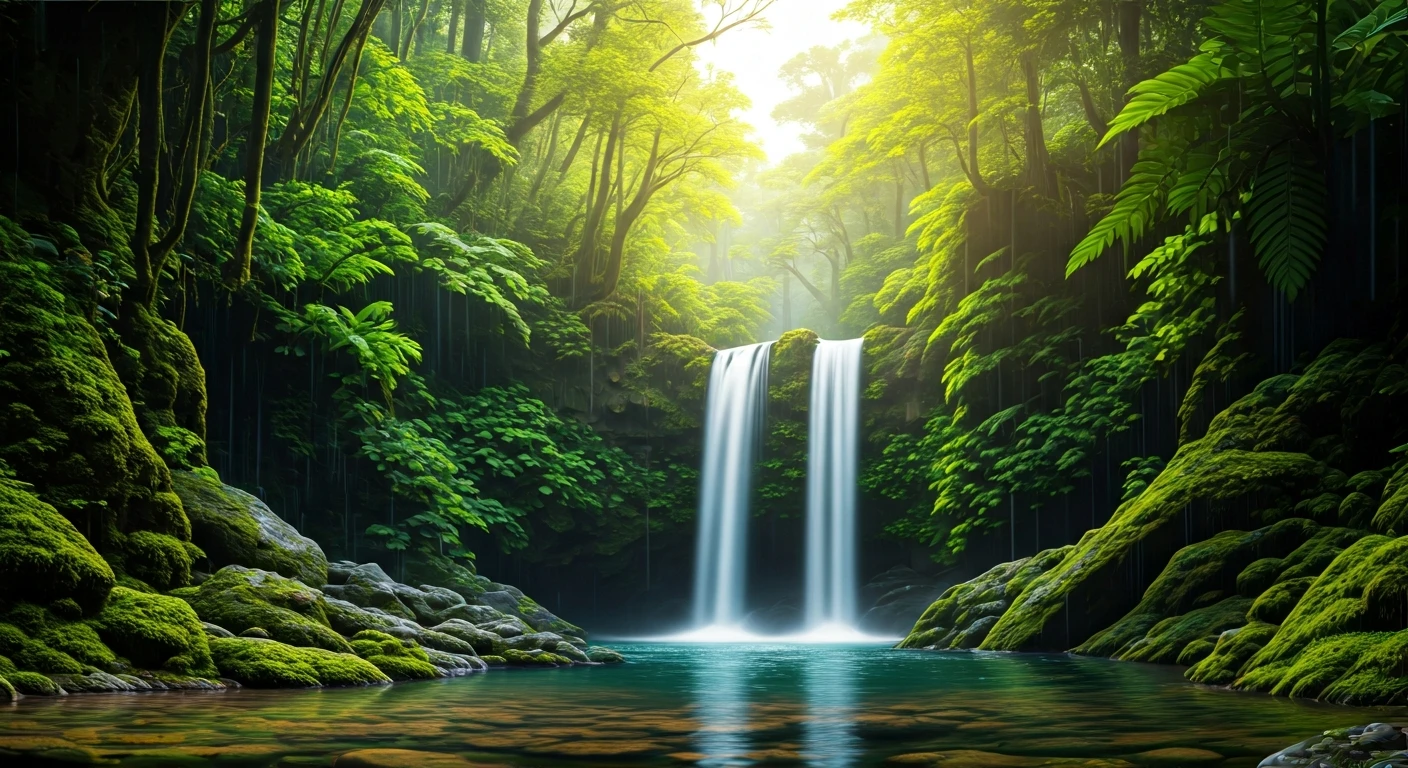
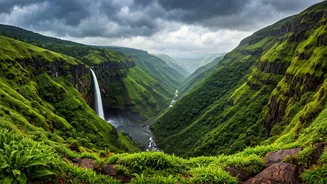
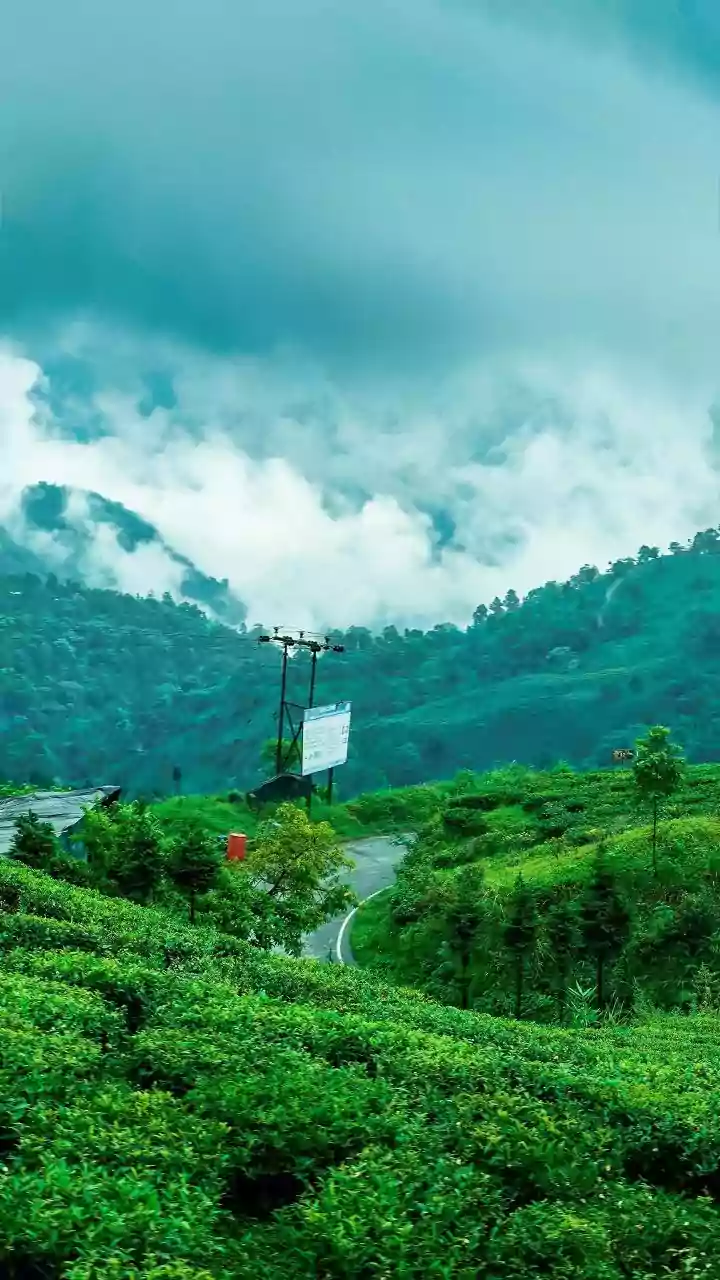
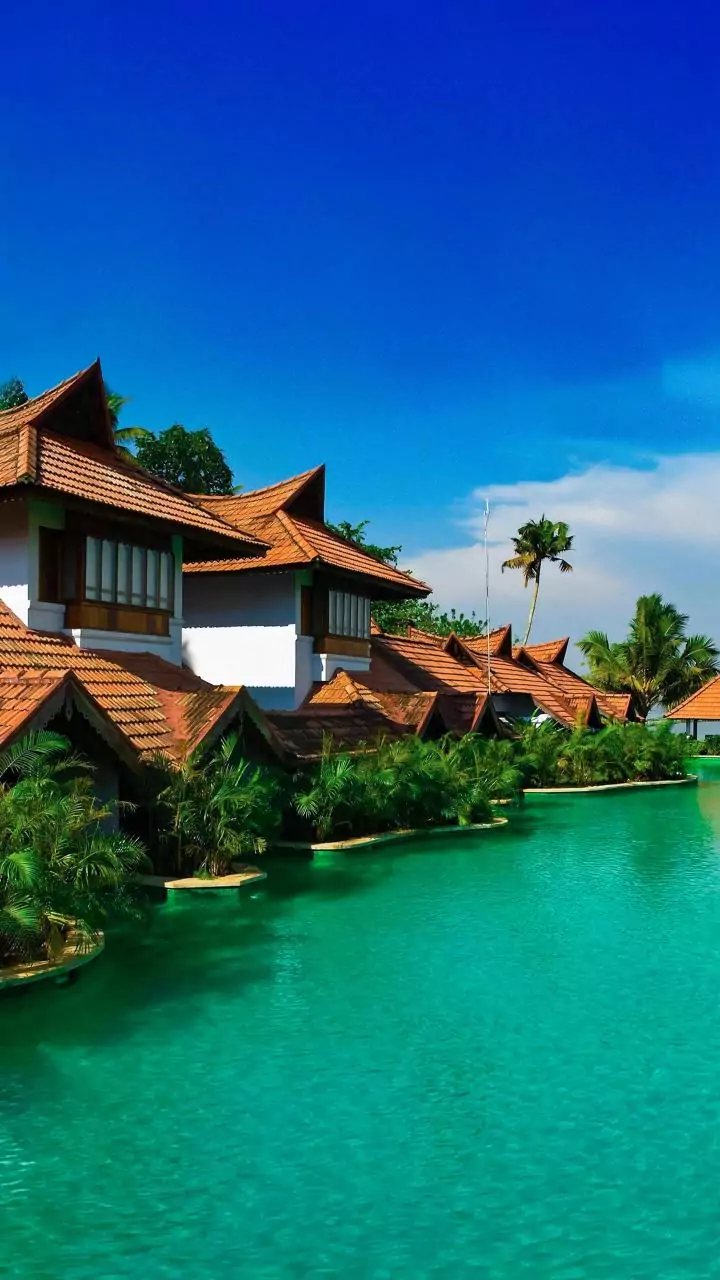
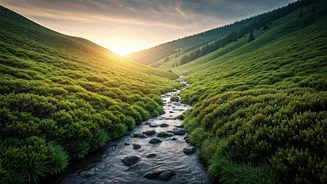
They don’t call it ‘God’s Own Country’ for nothing. As the first showers grace the Malabar Coast, the Western Ghats in Kerala undergo a breathtaking transformation. The landscape erupts into a thousand shades of impossible green. Places like Wayanad and Munnar,
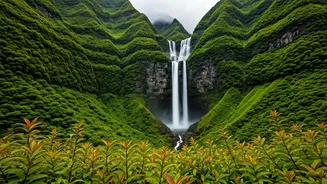
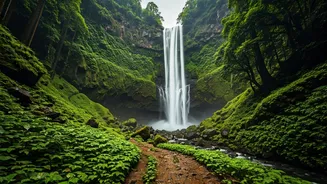
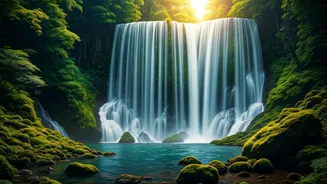
often popular in winter, reveal a different kind of magic during the rains. The air grows heavy with the scent of wet earth, blooming flowers, and freshly washed spices from the plantations. Mist clings to the hillsides, creating a mystical, almost ethereal atmosphere. Waterfalls like Athirappilly, often called the ‘Niagara of India,’ swell into thunderous spectacles. Trekking paths become soft and slippery, but the reward is solitude and the chance to see streams and brooks appear where there were none, all under a canopy of dripping leaves that plays a constant, soothing percussion.
The Living Root Bridges, Meghalaya
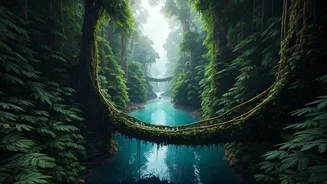
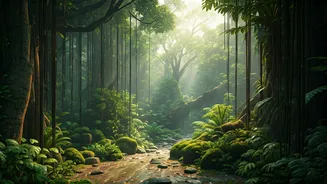
To visit Meghalaya during the monsoon is to visit the heart of the storm itself. Home to Mawsynram and Cherrapunji, two of the wettest places on Earth, this is where the rain is not just weather but a way of life. The star attraction here, the living root bridges, becomes even more extraordinary. These marvels of bio-engineering, woven from the roots of rubber trees by the Khasi tribes, look ancient and wise against the backdrop of raging rivers and dense fog. The journey to the double-decker root bridge in Nongriat is a descent into a lush, green world teeming with life. The constant drizzle, the roar of nearby waterfalls, and the vibrant moss covering every surface make you feel like you’ve stepped into a fantasy novel. It’s an immersive experience that reminds you of nature’s power, patience, and artistry.
Agumbe, Karnataka
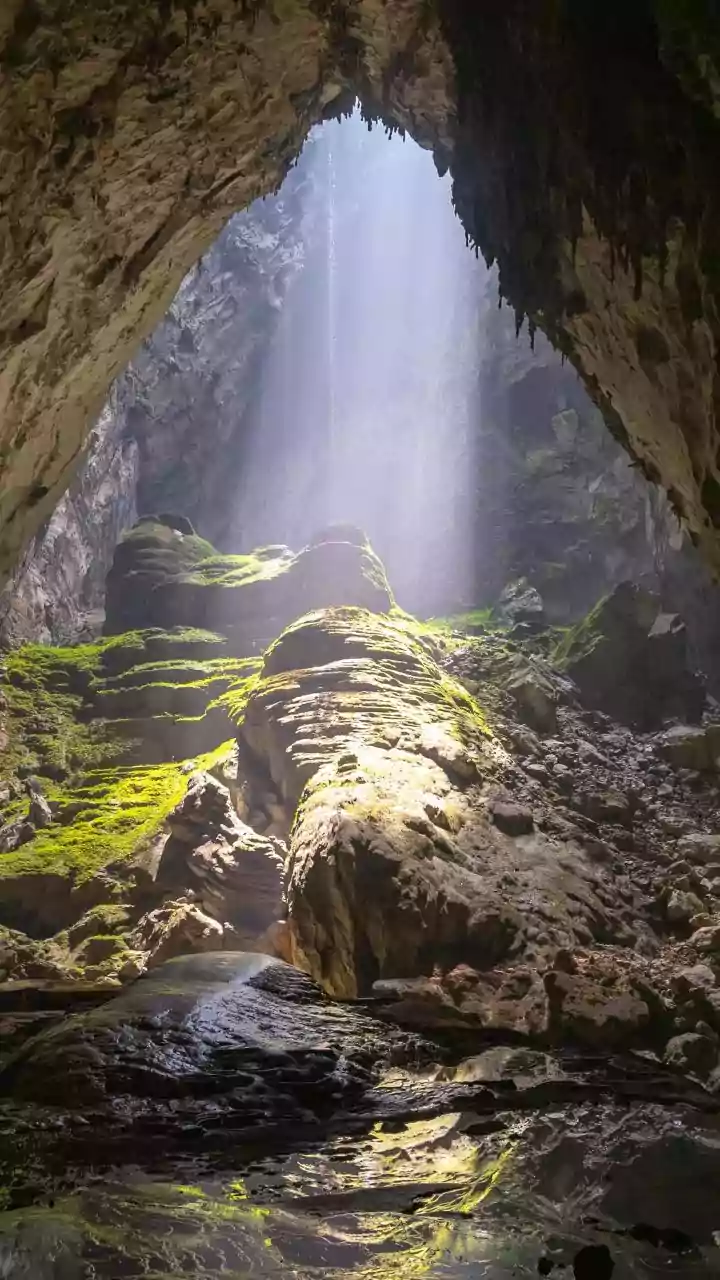
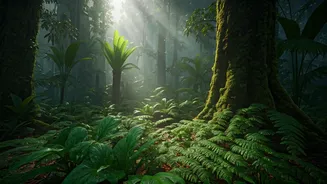
Often dubbed the ‘Cherrapunji of the South,’ Agumbe in Karnataka is a biodiversity hotspot that truly thrives in the monsoon. This dense rainforest, part of the Western Ghats, is famous for its high rainfall, numerous waterfalls, and as a research station for the King Cobra—the world’s longest venomous snake. But fear not, the real draw is the landscape. During the rains, Agumbe is a symphony of gushing streams and cascades like Onake Abbi and Barkana Falls. The forest floor becomes a carpet of glowing fungi and vibrant frogs. For photographers and nature lovers, the macro world comes alive. The view from the sunset point, even without the sun, is spectacular as clouds roll in over the verdant hills, completely enveloping you in their cool embrace. It’s a raw, untamed beauty, perfect for those who want to see a rainforest in its most primal state.
The Jungles of Goa
Goa in the monsoon? Absolutely. While the beaches quiet down, the state's lush hinterland awakens. Away from the coast, Goa’s wildlife sanctuaries, like the Bhagwan Mahavir Sanctuary and Mollem National Park, offer a completely different experience. This is the best time to witness the Dudhsagar Falls, whose name translates to ‘Sea of Milk,’ as it cascades down the mountainside with formidable power and grace. The forests of the Goan ghats are thick with vegetation, and the spice farms in Ponda are fragrant and green. Renting a scooter and riding through the winding, rain-washed village roads, flanked by emerald paddy fields and dense forests, is an experience far removed from the typical Goan holiday. It’s quiet, serene, and deeply rejuvenating.