



The Monsoon Mood
The Indian monsoon is more than just a weather pattern; it's a powerful cultural and emotional event. The cool drop in temperature after months of searing heat brings a collective sigh of relief, while the rhythmic sound of rain and the earthy scent of petrichor
create a unique, cozy atmosphere. This environment triggers a deep-seated craving for comfort foods. Psychologically, warm and energy-dense foods can provide a mood boost, with some studies suggesting they trigger the brain's reward system, releasing chemicals like serotonin and dopamine that promote feelings of happiness and relaxation. This instinct for warmth is a universal response to the cool, damp conditions, making hot snacks and beverages feel exceptionally satisfying.
The Universal Appeal of the Crispy Fritter
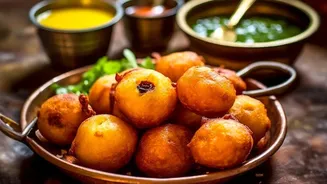
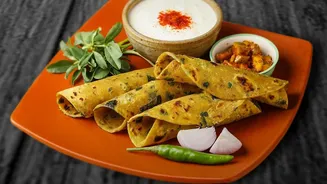
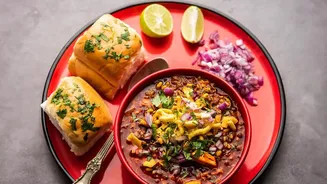
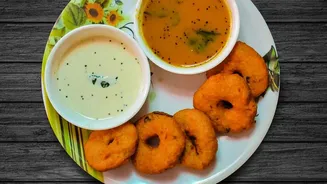
Across the country, the most iconic monsoon snack is arguably the pakora, also known as bhajji or bhajiya. These are savory fritters made by dipping vegetables like onions, potatoes, or spinach in a spiced chickpea flour (besan) batter and deep-frying them until golden and crisp. The contrast between the crunchy exterior and the soft, flavorful inside is a textural delight. From the onion pakoras of the north to Mumbai's iconic vada pav—a potato fritter in a bun—each region has its beloved version. Paired with a steaming cup of masala chai, this combination is a cherished ritual, transforming a grey afternoon into a moment of simple joy and togetherness. The tradition is so ingrained that the sizzle of oil and the aroma of frying pakoras have become synonymous with rainy days for many.
The Gentle Comfort of Steamed Pitha
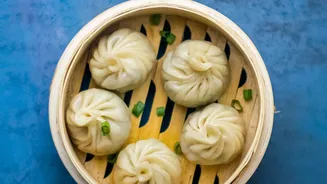
While fritters offer a satisfying crunch, another category of monsoon treats provides a softer, more soulful comfort: the pitha. Pithas are a diverse family of rice-based cakes, dumplings, or pancakes from the eastern and northeastern parts of India, particularly Bengal, Assam, and Odisha. While some are fried, the steamed varieties, like the Bengali Bhapa Pitha, are especially cherished. 'Bhapa' literally means steamed. These are delicate rice flour cakes, often filled with a sweet mixture of freshly grated coconut and date palm jaggery, then steamed until soft and fragrant. In Assam, a similar preparation called Tekeli Pitha is steamed in the mouth of a kettle. Unlike the aggressive, spicy kick of a fritter, a steamed pitha is gently sweet and pillowy, offering a different kind of warmth that feels like a hug from the inside.
A Tale of Two Textures
Together, the spicy fritter and the steamed pitha represent the two poles of monsoon cravings. The fritter is an immediate, sensory explosion—crispy, hot, and often spicy, it provides a sharp, satisfying counterpoint to the damp weather. It’s a food of impulse and instant gratification, perfect for sharing with friends and family as the rain pours down outside. The pitha, on the other hand, is a quieter, more contemplative experience. Its preparation is often more involved, a ritual in itself. The result is a food that is subtle, nurturing, and deeply comforting. One is a burst of flavour, the other a slow-release of warmth and sweetness. They perfectly capture the dual nature of the monsoon itself—a season of both dramatic downpours and quiet, restorative growth.
More Than Just a Snack
Ultimately, the enduring appeal of these monsoon foods lies beyond their taste and texture. They are steeped in nostalgia and tradition. For many, the smell of pakoras frying is a direct link to childhood memories of rainy days spent indoors. The act of preparing these dishes is often a shared family activity, a way to connect and pass down culinary heritage. In a fast-paced world, the monsoon enforces a pause, encouraging people to slow down, gather together, and find comfort in simple, time-honored rituals. These foods are not just nourishment for the body; they are nourishment for the soul, embodying a cultural identity that celebrates seasonality and togetherness.