




A Quest for Authenticity
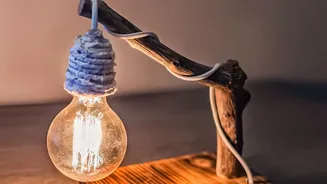
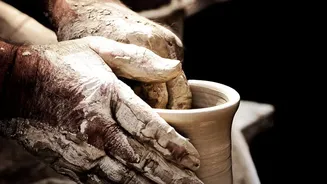
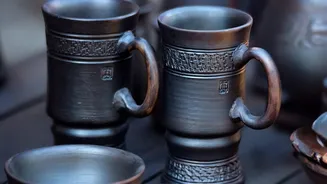
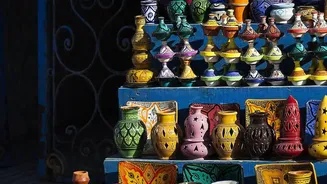
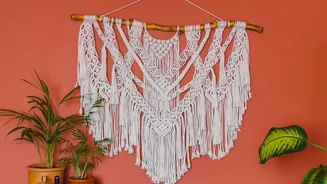
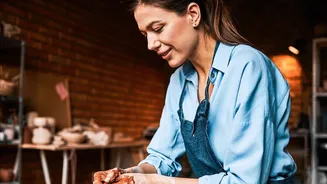
In a world saturated with mass-produced goods, there is a growing desire for objects with character and a human touch. Handcrafted items, from hand-carved wooden panels to block-printed textiles, offer a powerful antidote to industrial uniformity. Each
piece is inherently unique, carrying subtle variations in texture, colour, and form that serve as a signature of the artisan who made it. This 'perfect imperfection' is now seen as a mark of luxury and authenticity, turning a house into a home filled with personal stories rather than generic objects. Consumers are increasingly making a conscious choice to buy items that represent time, skill, and cultural memory.
The Rise of Conscious Consumption
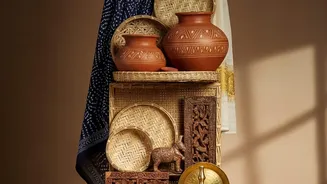
Today’s consumer is more mindful than ever about the impact of their purchases. The trend towards handcrafted Indian decor is deeply intertwined with the global movement towards sustainability and ethical sourcing. These items are often made using natural, locally sourced materials like bamboo, clay, jute, and reclaimed wood, resulting in a lower carbon footprint. Choosing handmade is not just an aesthetic decision; it is a vote for eco-friendly practices and the support of artisan communities. Every purchase helps preserve rare craft techniques and provides a sustainable livelihood for skilled craftspeople, ensuring that these traditions are passed down to future generations.
The 'India Modern' Aesthetic
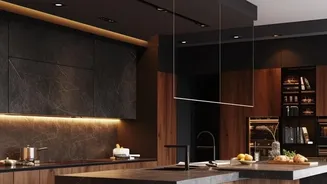
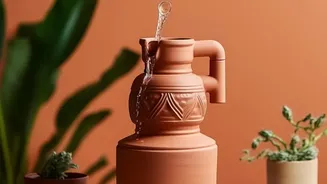
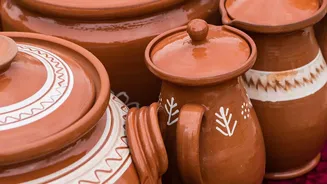
This trend is not about creating a museum of traditional artefacts. Instead, it is about the birth of a new design language: 'India Modern'. This aesthetic skilfully blends the richness of traditional Indian craftsmanship with the clean lines and functionality of contemporary design. Imagine a minimalist living room warmed by a handwoven Kantha quilt, or a sleek, modern kitchen featuring a collection of earthy terracotta pottery. Designers and homeowners are no longer looking outwards for inspiration but are reinterpreting their own heritage in a way that feels fresh, relevant, and deeply personal. This approach favours warm, earthy palettes like terracotta, sage, and indigo over the cool greys that once dominated.
A Deeper Connection to Culture
For many, especially younger generations of urban Indians, incorporating handcrafted decor is a way to reconnect with their cultural roots. As homes became the centre of life during and after the pandemic, people began seeking more meaning and identity within their personal spaces. An antique-finish brass lamp, a wall adorned with Warli art, or a set of intricately carved wooden chairs are more than just decorations; they are expressions of identity and pride in a rich artistic heritage. These pieces bring a sense of history, spirituality, and narrative into a home, creating spaces that feel grounded and soulful.
The Influence of Social Media
Platforms like Instagram and Pinterest have played a crucial role in democratising design and popularising the modern Indian aesthetic. Home decor influencers and digital-first brands showcase how traditional crafts can be seamlessly integrated into contemporary homes, providing endless inspiration. These platforms have made global and local trends accessible to everyone, creating a more aware and discerning consumer. They have also given a global stage to local artisans and small businesses, connecting them directly with buyers who appreciate the story and skill behind each product.