





The Ultimate Comfort Bowl
When the skies turn grey and the monsoon settles in, our cravings shift. We yearn for something warm, simple, and deeply satisfying. While pizzas and pakoras have their place, the one meal that truly fits the bill—nourishing the body and soothing the soul—is
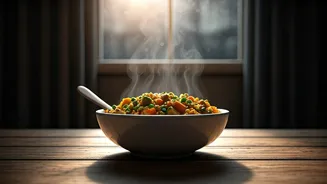
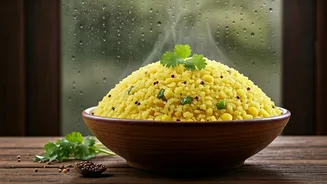
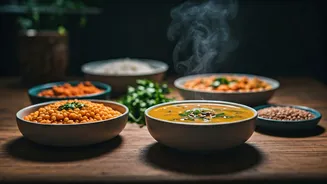
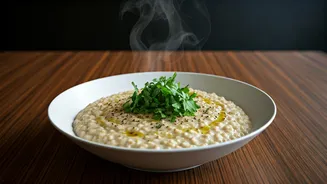
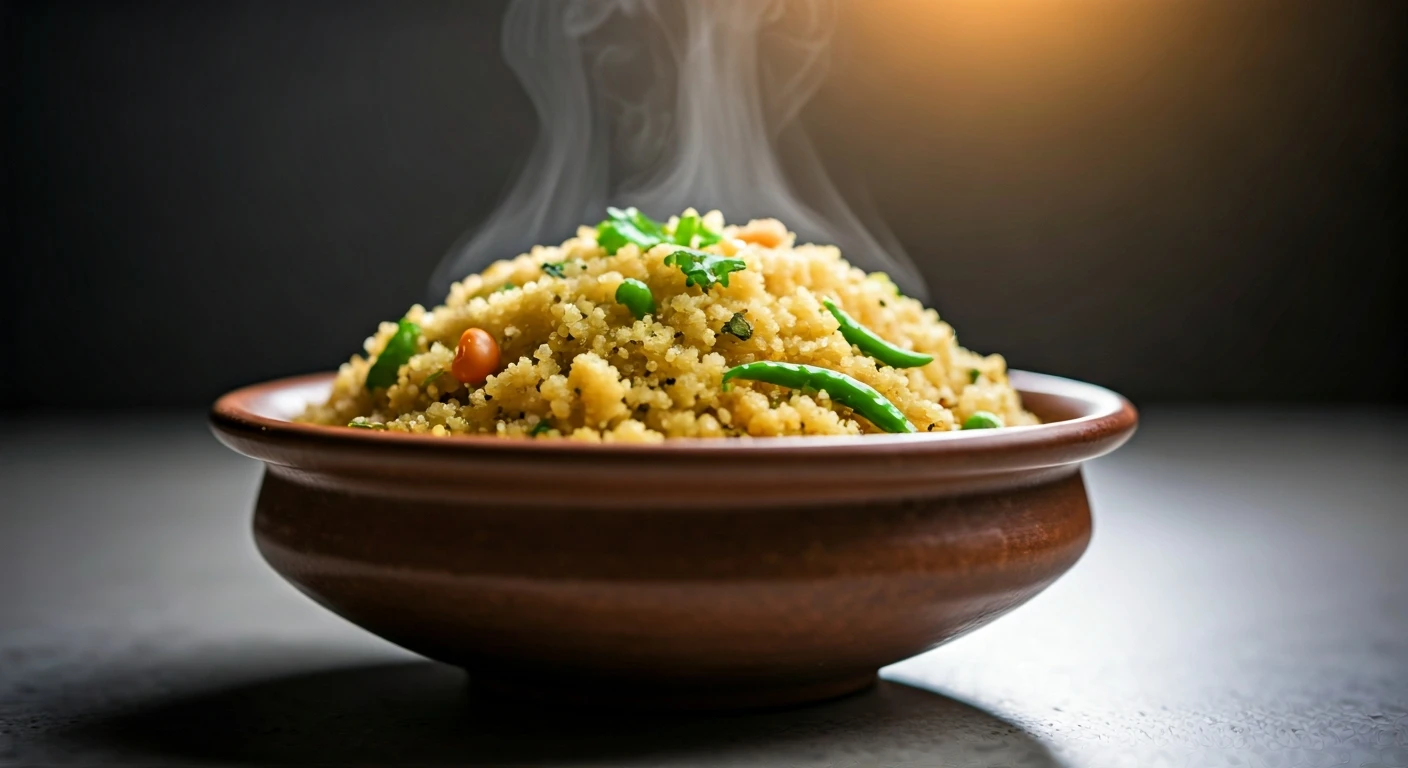
Khichdi. Dismissed by some as 'sick people food,' Khichdi is, in reality, India’s quintessential comfort dish. From the simplest versions served in Himalayan homes to the elaborate preparations in Bengali and Gujarati kitchens, it is a culinary constant. It's the food that tastes of home, of childhood, of being cared for. It’s a one-pot wonder that requires minimal effort for maximum reward, making it the undisputed hero of a lazy, rainy evening.
More Than Nostalgia, It's Nutrition
The magic of Khichdi lies in its simplicity and potent health benefits, which are particularly relevant during the monsoon season when our digestive systems can become sluggish. The combination of rice (carbohydrates) and lentils (protein) creates a complete protein profile, providing all the essential amino acids your body needs. Moong dal, the most common lentil used, is light and easy to digest. Add a spoonful of golden turmeric, and you have a powerful anti-inflammatory and immunity-booster on your plate. A dollop of pure ghee on top isn’t just for flavour; it's a source of healthy fats that helps in the absorption of nutrients and lubricates the digestive tract. Traditional preparations also include ginger and a pinch of asafoetida (hing), both of which are famed in Ayurveda for firing up the 'agni' or digestive fire, preventing the bloating and indigestion common in this weather.
The Science of Rainy-Day Cravings
Ever wondered why a gloomy day makes you crave a bowl of something warm and carb-heavy? There’s science behind that feeling. Reduced exposure to sunlight can lead to a dip in serotonin, the brain's 'feel-good' chemical. Eating carbohydrates helps the body produce more serotonin, providing a gentle, natural mood lift. The warmth of the food itself is also physically and psychologically soothing, creating a sense of safety and well-being. Khichdi, with its base of rice and lentils, delivers this exact combination of warmth and wholesome carbs. It’s a meal that doesn’t just fill your stomach; it quite literally makes you feel better from the inside out, justifying its universal appeal on a dreary day.
Master the Classic, Then Make It Yours
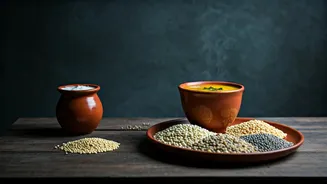
The beauty of Khichdi is its infinite adaptability. Once you master the basic formula—typically one part rice to one part dal with enough water to reach your desired consistency—you can customise it endlessly. This is how it becomes the dinner 'everyone' wants. To start, simply wash your rice and dal, add them to a pressure cooker with salt, turmeric, and water, and cook for a few whistles. For the 'tadka' (tempering), heat ghee in a small pan, and splutter some cumin seeds, adding a pinch of asafoetida at the end. Pour this over your cooked Khichdi and mix well. Ready for variations? - **Add Vegetables:** Turn it into a complete meal by adding chopped carrots, peas, potatoes, and cauliflower along with the rice and dal. - **Play with Grains:** Swap white rice for brown rice, millets, or quinoa for a nuttier flavour and more fibre. - **Experiment with Dals:** While moong dal is the classic, try it with toor (arhar) dal for a different texture or a mix of several lentils (panchmel dal). - **Upgrade Your Tadka:** Sauté onions, garlic, ginger, and tomatoes before adding the rice and dal for a spicier, more masala-rich version.
Don't Forget the Perfect Partners
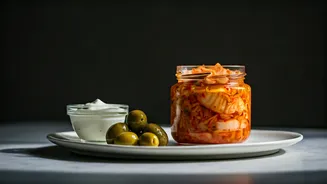
Khichdi is wonderful on its own, but its true potential is unlocked by its supporting cast. These simple accompaniments transform a humble meal into a delightful feast of textures and flavours. A bowl of plain, cool dahi (yoghurt) provides a creamy, tangy contrast to the warm grain. A crispy, roasted papad adds a much-needed crunch. A spoonful of tangy and spicy achaar (pickle) cuts through the mildness of the Khichdi, awakening the palate. For something extra, a simple side of pan-fried potatoes (aloo bhujia) or a fresh kachumber salad (chopped onions, tomatoes, and cucumber) completes the experience, ensuring every bite is interesting and balanced.